Biomechanics of Medical Data Analytics
Introduction
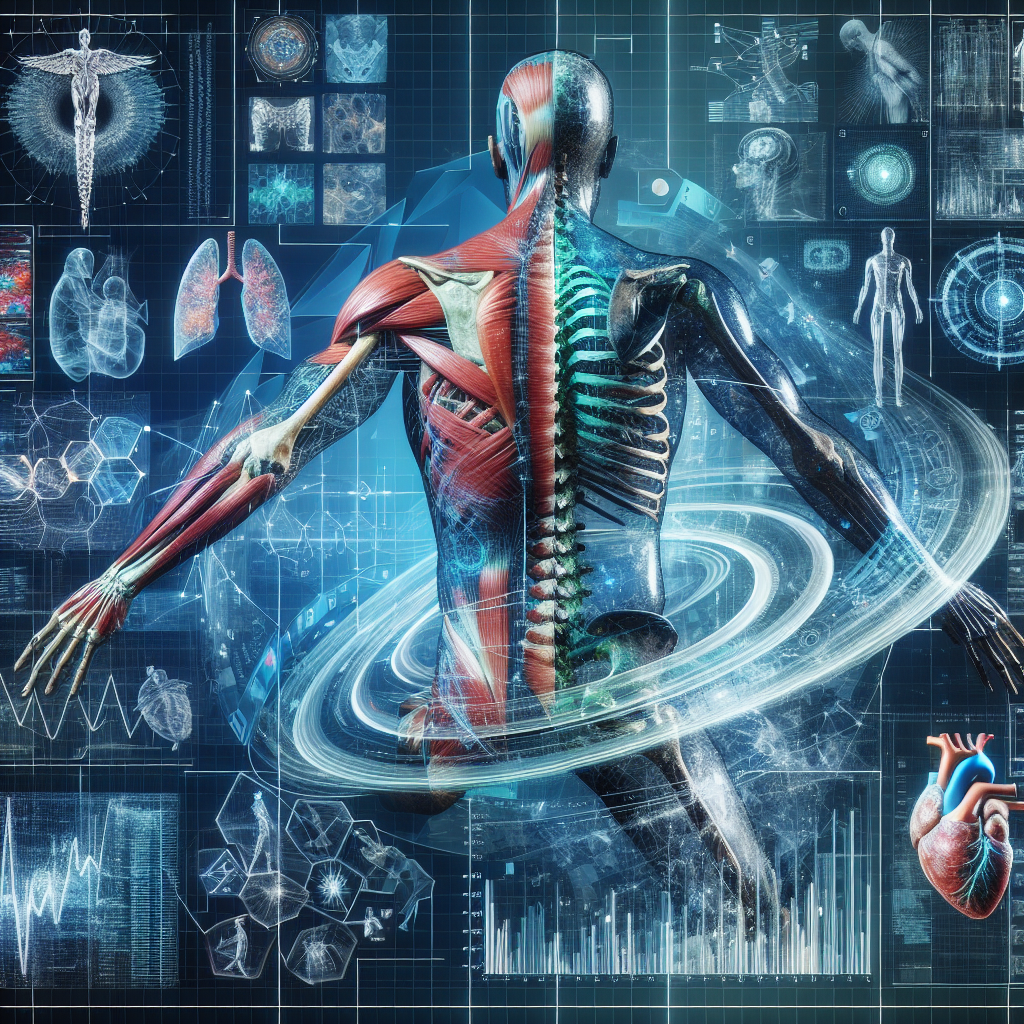
In the rapidly evolving field of engineering, the integration of biomechanics and medical data analytics has emerged as a pivotal area of research and application. The biomechanics of medical data analytics involves the use of computational tools and techniques to analyze biological data, with the aim of understanding and improving human health. This interdisciplinary field combines principles from mechanical engineering, biology, and data science to develop innovative solutions for medical diagnostics, treatment planning, and rehabilitation. The importance of this topic cannot be overstated, as it holds the potential to revolutionize healthcare by providing more accurate, personalized, and efficient medical care.
Fundamentals
To understand the biomechanics of medical data analytics, it is essential to grasp some basic principles and concepts. At its core, biomechanics is the study of the mechanical aspects of living organisms. It involves analyzing the forces and motions that occur within biological systems, such as the human body. Medical data analytics, on the other hand, refers to the process of examining large sets of medical data to uncover patterns, correlations, and insights that can inform clinical decision-making.
Key Terms and Definitions
- Biomechanics: The study of the mechanical laws relating to the movement or structure of living organisms.
- Medical Data Analytics: The process of analyzing medical data to extract meaningful insights and support decision-making in healthcare.
- Computational Modeling: The use of mathematical models and simulations to represent and analyze biological systems.
- Machine Learning: A subset of artificial intelligence that involves training algorithms to recognize patterns and make predictions based on data.
- Big Data: Extremely large datasets that require advanced methods for storage, processing, and analysis.
Historical Development
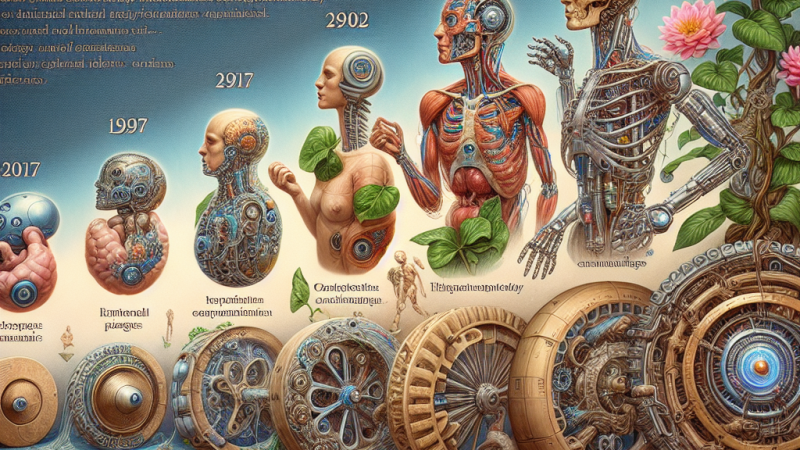
The field of biomechanics has a rich history that dates back to ancient civilizations. Early contributions can be traced to figures like Aristotle, who studied the mechanics of animal movement. However, the modern era of biomechanics began in the 20th century with the advent of advanced imaging technologies and computational tools.
One of the key milestones in the development of biomechanics was the work of Giovanni Borelli in the 17th century. Borelli is often referred to as the “father of biomechanics” for his pioneering studies on the mechanics of human and animal movement. In the 20th century, the field saw significant advancements with the development of motion capture technology and computational modeling techniques.
The integration of medical data analytics into biomechanics is a more recent development, driven by the explosion of digital health data and advancements in data science. Notable figures in this area include researchers like Dr. Scott Delp, who has made significant contributions to the development of computational models for analyzing human movement, and Dr. Atul Butte, a pioneer in the field of biomedical informatics.
Applications
The biomechanics of medical data analytics has a wide range of practical applications across various industries and fields. Some of the most notable applications include:
Orthopedics
In orthopedics, biomechanics and medical data analytics are used to design and evaluate prosthetic devices, implants, and surgical procedures. For example, computational models can simulate the mechanical behavior of bones and joints to optimize the design of hip and knee replacements. Case studies have shown that these models can improve the longevity and performance of orthopedic implants.
Sports Medicine
Sports medicine is another area where biomechanics and data analytics play a crucial role. By analyzing motion capture data and biomechanical models, researchers can identify factors that contribute to athletic performance and injury risk. This information can be used to develop personalized training programs and injury prevention strategies for athletes.
Rehabilitation
In the field of rehabilitation, biomechanics and medical data analytics are used to design and evaluate assistive devices and therapeutic interventions. For example, wearable sensors can collect data on a patient’s movement patterns, which can then be analyzed to assess the effectiveness of rehabilitation exercises and adjust treatment plans accordingly.
Cardiovascular Health
Biomechanics and medical data analytics are also applied in the study of cardiovascular health. Computational models can simulate blood flow and the mechanical behavior of blood vessels, providing insights into conditions like atherosclerosis and aneurysms. These models can inform the design of medical devices such as stents and grafts.
Advanced Topics
The field of biomechanics of medical data analytics is continually evolving, with new research and innovations emerging regularly. Some of the advanced topics in this area include:
Machine Learning and Artificial Intelligence
Machine learning and artificial intelligence (AI) are increasingly being integrated into biomechanics and medical data analytics. These technologies can analyze large datasets to identify patterns and make predictions that would be difficult or impossible for humans to discern. For example, machine learning algorithms can be used to predict the risk of injury based on biomechanical data or to identify early signs of disease from medical imaging data.
Personalized Medicine
Personalized medicine is an emerging trend that aims to tailor medical treatment to the individual characteristics of each patient. Biomechanics and medical data analytics play a crucial role in this approach by providing detailed insights into a patient’s unique biomechanical and physiological characteristics. This information can be used to develop personalized treatment plans that are more effective and have fewer side effects.
Wearable Technology
Wearable technology is another area of rapid advancement in biomechanics and medical data analytics. Devices such as smartwatches and fitness trackers can collect real-time data on a person’s movement, heart rate, and other physiological parameters. This data can be analyzed to monitor health, track progress in rehabilitation, and provide feedback for improving athletic performance.
Challenges and Considerations
Despite the many benefits and advancements in the biomechanics of medical data analytics, there are several challenges and considerations that need to be addressed:
Data Privacy and Security
The collection and analysis of medical data raise significant privacy and security concerns. Ensuring that patient data is protected and used ethically is paramount. Researchers and practitioners must adhere to strict data protection regulations and implement robust security measures to safeguard sensitive information.
Data Quality and Integration
The accuracy and reliability of medical data are critical for effective analysis. However, medical data can be noisy, incomplete, or inconsistent. Integrating data from different sources, such as electronic health records, wearable devices, and imaging systems, can also be challenging. Developing methods to clean, standardize, and integrate diverse datasets is essential for obtaining meaningful insights.
Computational Complexity
Biomechanical models and data analytics algorithms can be computationally intensive, requiring significant processing power and resources. Optimizing these models and algorithms to run efficiently on available hardware is an ongoing challenge. Advances in high-performance computing and cloud computing are helping to address this issue.
Interdisciplinary Collaboration
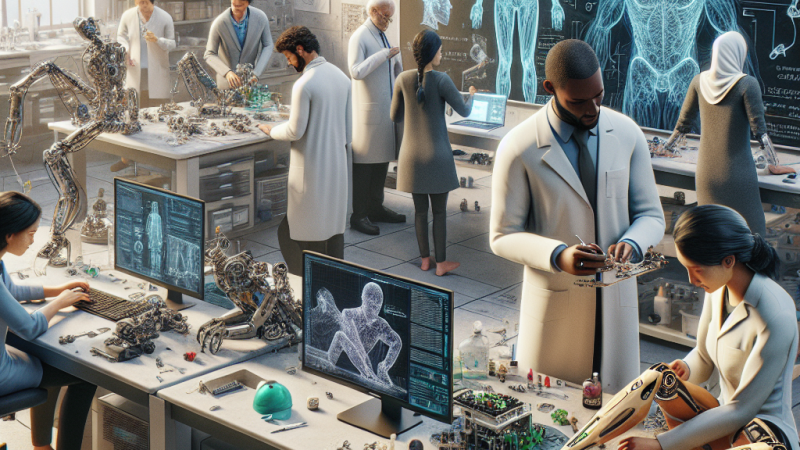
The field of biomechanics of medical data analytics is inherently interdisciplinary, requiring collaboration between engineers, biologists, data scientists, and healthcare professionals. Effective communication and collaboration across these disciplines are essential for the successful development and application of new technologies and methods.
Conclusion
The biomechanics of medical data analytics is a dynamic and rapidly evolving field that holds immense potential for improving human health. By combining principles from biomechanics, data science, and medicine, researchers and practitioners can develop innovative solutions for medical diagnostics, treatment planning, and rehabilitation. While there are challenges to overcome, the continued advancement of this field promises to revolutionize healthcare, making it more accurate, personalized, and efficient. As we move forward, interdisciplinary collaboration and ongoing research will be key to unlocking the full potential of biomechanics and medical data analytics in engineering.