Biomechanics of Healthcare Robotics
Introduction
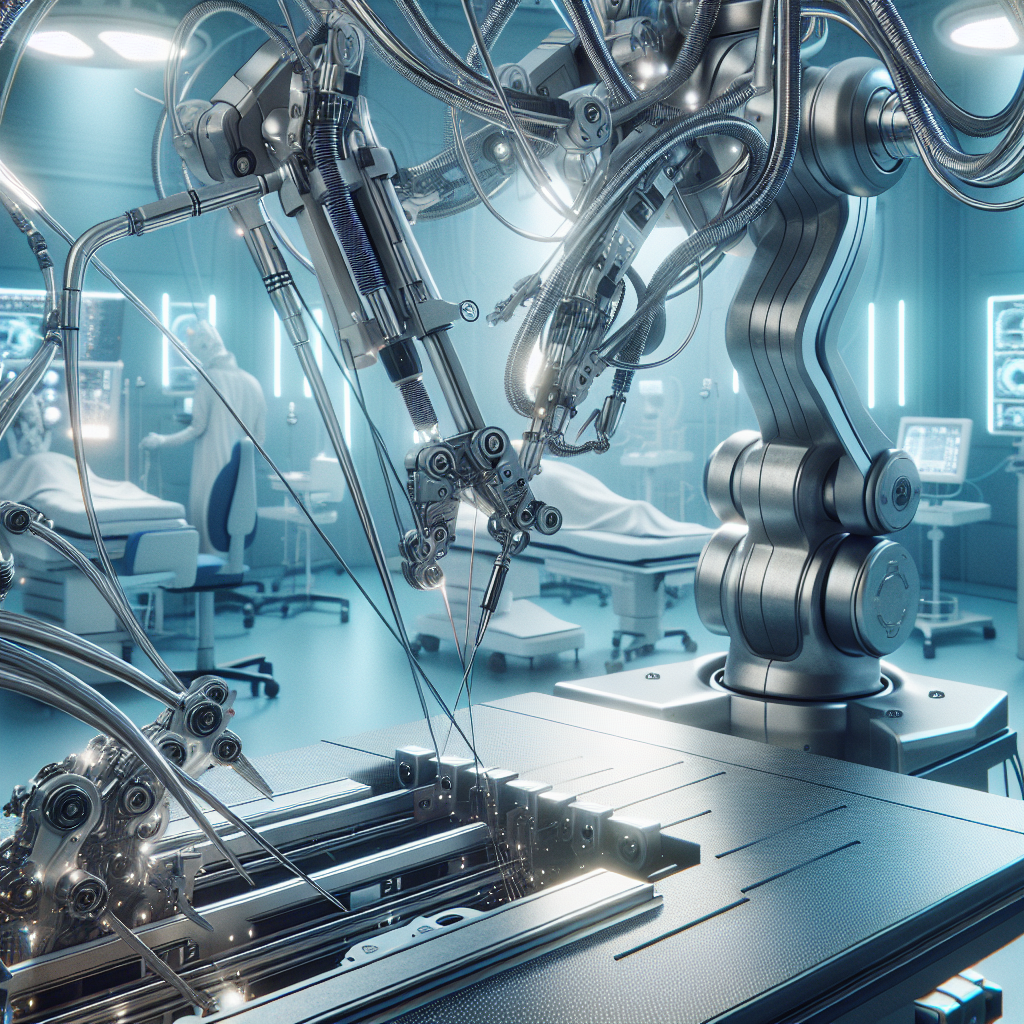
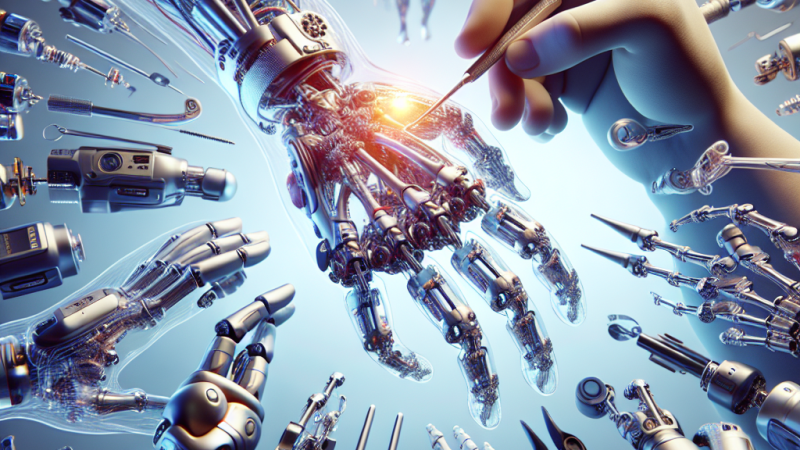
The integration of robotics in healthcare has revolutionized the medical field, offering unprecedented precision, efficiency, and capabilities. At the heart of this transformation lies the field of Biomechanical Engineering, which combines principles of mechanics with biological systems to design and develop healthcare robots. The biomechanics of healthcare robotics is a critical area of study that focuses on understanding and optimizing the interaction between robotic systems and the human body. This article delves into the importance and relevance of this topic in engineering, exploring its fundamentals, historical development, applications, advanced topics, challenges, and future prospects.
Fundamentals
Biomechanics is the study of the mechanical principles of living organisms, particularly their movement and structure. When applied to healthcare robotics, biomechanics involves the design and analysis of robotic systems that can interact safely and effectively with human tissues and organs. Key concepts in this field include:
- Kinematics: The study of motion without considering the forces that cause it. In healthcare robotics, kinematics is crucial for understanding how robotic limbs and joints move.
- Dynamics: The study of forces and their effects on motion. This is essential for designing robots that can perform tasks such as lifting or manipulating objects.
- Control Systems: Algorithms and mechanisms that govern the behavior of robots. Effective control systems ensure that healthcare robots can perform precise and delicate tasks.
- Human-Robot Interaction (HRI): The study of how humans and robots communicate and work together. HRI is vital for ensuring that healthcare robots are user-friendly and safe.
These principles are applied to create robots that can assist in surgeries, rehabilitation, diagnostics, and patient care, enhancing the overall quality of healthcare services.
Historical Development
The journey of healthcare robotics began in the mid-20th century with the advent of basic robotic systems. One of the earliest milestones was the development of the Unimate robot in the 1960s, which, although not used in healthcare, laid the groundwork for future innovations. The 1980s saw the introduction of robotic systems in surgery, with the PUMA 560 robot performing a neurosurgical biopsy in 1985.
Notable figures in the field include:
- Dr. Yik San Kwoh: Pioneered the use of robots in neurosurgery with the development of the PUMA 560 system.
- Dr. Richard Satava: A visionary in surgical robotics, contributing to the development of the da Vinci Surgical System.
- Dr. Paolo Dario: A leading researcher in medical robotics and bioengineering, known for his work on micro-robotics and minimally invasive surgery.
The 21st century has witnessed rapid advancements in healthcare robotics, with systems like the da Vinci Surgical System becoming widely adopted for minimally invasive surgeries. These milestones have paved the way for more sophisticated and specialized robotic systems in healthcare.
Applications
Healthcare robotics has a wide range of applications across various medical fields. Some notable examples include:
Surgical Robotics
Robotic systems like the da Vinci Surgical System enable surgeons to perform complex procedures with enhanced precision and control. These systems offer benefits such as smaller incisions, reduced blood loss, and faster recovery times for patients.
Rehabilitation Robotics
Robots like the Lokomat and Ekso Bionics assist patients in regaining mobility after injuries or surgeries. These systems provide personalized therapy by adapting to the patient’s progress and needs.
Diagnostic Robotics
Robotic systems are used in diagnostics to perform tasks such as imaging and biopsies with high accuracy. For instance, the Mako Robotic-Arm Assisted Surgery System is used for precise joint replacement surgeries.
Patient Care Robotics
Robots like the TUG autonomous mobile robot assist in transporting medical supplies and medications within hospitals, reducing the workload on healthcare staff and improving efficiency.
Case Studies
One notable case study is the use of the da Vinci Surgical System in prostatectomy procedures. Studies have shown that patients undergoing robotic-assisted prostatectomy experience fewer complications and shorter hospital stays compared to traditional open surgery.
Advanced Topics
The field of healthcare robotics is continually evolving, with recent research and innovations pushing the boundaries of what is possible. Some advanced topics include:
Soft Robotics
Soft robotics involves the use of flexible materials to create robots that can safely interact with human tissues. These robots are particularly useful in applications such as endoscopy and minimally invasive surgery.
Artificial Intelligence (AI) and Machine Learning
AI and machine learning algorithms are being integrated into healthcare robots to enhance their decision-making capabilities. For example, AI can help robots identify patterns in medical data, leading to more accurate diagnoses and personalized treatment plans.
Telemedicine and Remote Surgery
Advancements in telecommunication technologies are enabling surgeons to perform procedures remotely using robotic systems. This can be particularly beneficial in providing medical care to remote or underserved areas.
Wearable Robotics
Wearable robotic exoskeletons are being developed to assist individuals with mobility impairments. These devices can help patients regain independence and improve their quality of life.
Challenges and Considerations
Despite the numerous benefits, the biomechanics of healthcare robotics also presents several challenges and considerations:
Technical Challenges
- Precision and Accuracy: Ensuring that robotic systems can perform tasks with the required precision and accuracy is a significant challenge.
- Safety: Ensuring the safety of patients and healthcare providers when using robotic systems is paramount. This includes addressing issues such as system malfunctions and human error.
- Integration: Integrating robotic systems with existing medical infrastructure and workflows can be complex and costly.
Ethical and Legal Considerations
- Privacy: The use of AI and data analytics in healthcare robotics raises concerns about patient privacy and data security.
- Liability: Determining liability in the event of a malfunction or error involving a healthcare robot can be legally complex.
- Accessibility: Ensuring that advanced robotic systems are accessible to all patients, regardless of socioeconomic status, is a critical ethical consideration.
Potential Solutions
Addressing these challenges requires a multidisciplinary approach involving engineers, healthcare professionals, ethicists, and policymakers. Potential solutions include:
- Developing robust testing and validation protocols to ensure the safety and reliability of robotic systems.
- Implementing stringent data protection measures to safeguard patient privacy.
- Creating clear legal frameworks to address liability and regulatory issues.
- Promoting equitable access to advanced healthcare technologies through policy initiatives and funding programs.
Conclusion
The biomechanics of healthcare robotics is a dynamic and rapidly evolving field that holds immense potential for transforming medical care. By combining principles of mechanics with biological systems, engineers are developing robotic systems that enhance precision, efficiency, and patient outcomes. While there are challenges and considerations to address, ongoing research and innovation continue to push the boundaries of what is possible. As we look to the future, the integration of advanced technologies such as AI, soft robotics, and telemedicine will further expand the capabilities and applications of healthcare robotics, ultimately improving the quality of care for patients worldwide.