Future Trends in Biomechanical Engineering
Introduction

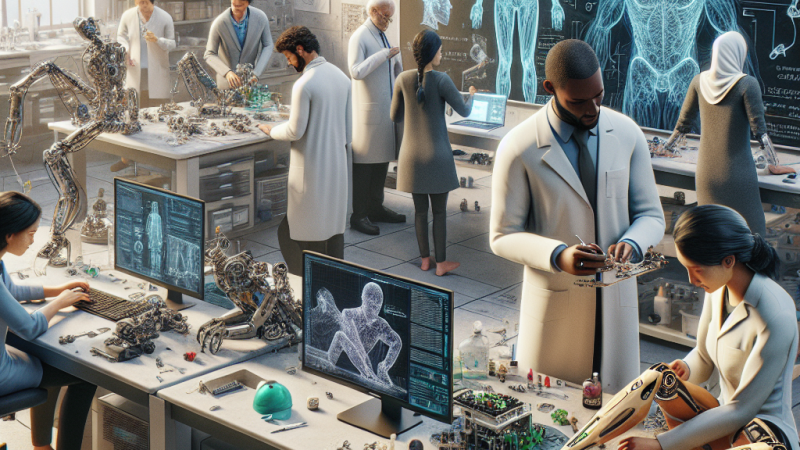
Biomechanical engineering is a multidisciplinary field that merges principles of mechanics with biological systems to solve complex medical and biological problems. This field is crucial in developing technologies and methodologies that improve human health and performance. From prosthetic limbs to advanced diagnostic tools, biomechanical engineering has a profound impact on healthcare, sports, and rehabilitation. As technology continues to evolve, the future trends in biomechanical engineering promise to bring even more innovative solutions and advancements.
Fundamentals
Biomechanical engineering is grounded in the principles of mechanics, which involve the study of forces and their effects on matter. In the context of biological systems, biomechanics examines how these forces interact with tissues, organs, and entire organisms. Key concepts include:
- Biomechanics: The study of the mechanical aspects of living organisms.
- Biomaterials: Materials that are compatible with biological systems and can be used to replace or augment natural tissues.
- Biomechatronics: The integration of mechanical elements, electronics, and biological systems.
- Computational Biomechanics: The use of computer simulations to study the mechanical behavior of biological systems.
These principles are applied to understand and solve problems related to human movement, injury prevention, and the design of medical devices.
Historical Development
The field of biomechanical engineering has a rich history that dates back to ancient civilizations. Early examples include the use of prosthetic limbs in ancient Egypt and the study of human anatomy by Greek physicians like Hippocrates and Galen. However, the modern era of biomechanical engineering began in the 20th century with several key milestones:
- 1950s: The development of the first artificial heart valve by Dr. Charles Hufnagel.
- 1960s: The introduction of the first successful total hip replacement by Sir John Charnley.
- 1970s: The advent of computational biomechanics with the development of finite element analysis (FEA) techniques.
- 1980s: The rise of biomaterials science, leading to the creation of biocompatible implants and devices.
- 1990s: The integration of biomechanics with molecular biology, giving rise to the field of mechanobiology.
Notable figures in the field include Dr. Robert K. Jarvik, who developed the first permanent artificial heart, and Dr. Hugh Herr, a pioneer in biomechatronics and advanced prosthetics.
Applications
Biomechanical engineering has a wide range of applications across various industries and fields. Some of the most significant applications include:
Medical Devices
Biomechanical engineers design and develop medical devices such as prosthetic limbs, artificial organs, and orthopedic implants. For example, the development of advanced prosthetic limbs that mimic natural movement has significantly improved the quality of life for amputees.
Sports Engineering
In sports, biomechanical engineering is used to enhance athletic performance and prevent injuries. Motion capture technology and biomechanical analysis help athletes optimize their techniques and reduce the risk of injury.
Rehabilitation
Rehabilitation engineering involves the design of devices and systems that assist individuals with disabilities. Examples include exoskeletons that help paraplegics walk and robotic rehabilitation devices that aid in physical therapy.
Ergonomics
Ergonomics, or human factors engineering, applies biomechanical principles to design tools, workspaces, and products that improve human comfort and efficiency. This is particularly important in reducing workplace injuries and enhancing productivity.
Case Studies
One notable case study is the development of the DEKA Arm, a highly advanced prosthetic arm that offers a wide range of motion and fine motor control. Another example is the use of computational biomechanics to design more effective helmets for reducing concussions in contact sports.
Advanced Topics
The field of biomechanical engineering is continually evolving, with several advanced topics and emerging trends shaping its future:
Wearable Technology
Wearable devices that monitor physiological parameters in real-time are becoming increasingly popular. These devices can track metrics such as heart rate, muscle activity, and joint movement, providing valuable data for both medical and athletic applications.
3D Printing
3D printing technology is revolutionizing the production of custom medical devices and implants. This technology allows for the creation of patient-specific prosthetics and implants that offer better fit and functionality.
Biomechatronics
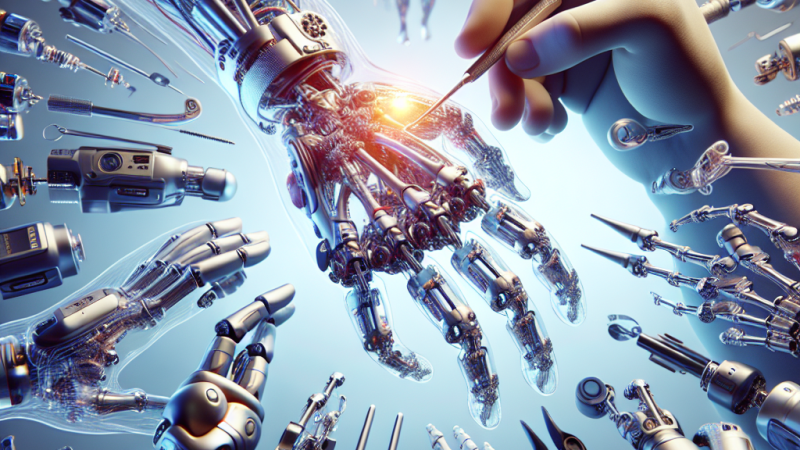
The integration of mechanical systems with biological tissues is a rapidly growing area. Advances in biomechatronics are leading to the development of more sophisticated prosthetics and robotic systems that can interact seamlessly with the human body.
Regenerative Medicine
Regenerative medicine aims to repair or replace damaged tissues and organs using techniques such as tissue engineering and stem cell therapy. Biomechanical engineers play a crucial role in designing scaffolds and bioreactors that support tissue growth and development.
Recent Research and Innovations
Recent research in biomechanical engineering includes the development of biohybrid robots that combine living tissues with synthetic materials, and the use of machine learning algorithms to analyze biomechanical data for personalized medicine.
Challenges and Considerations
Despite its many advancements, biomechanical engineering faces several challenges and considerations:
Ethical Issues
The development of advanced prosthetics and biohybrid systems raises ethical questions about human enhancement and the definition of what it means to be human.
Regulatory Hurdles
The approval process for new medical devices and technologies can be lengthy and complex, posing a barrier to innovation.
Technical Limitations
Current technologies still have limitations in terms of durability, biocompatibility, and functionality. Further research is needed to overcome these challenges.
Cost
The high cost of advanced biomechanical devices and treatments can limit accessibility for many patients. Efforts are needed to make these technologies more affordable.
Potential Solutions
Addressing these challenges will require a multidisciplinary approach, involving collaboration between engineers, medical professionals, ethicists, and policymakers. Areas for further research include improving the biocompatibility of materials, developing more efficient manufacturing processes, and exploring new funding models to reduce costs.
Conclusion
Biomechanical engineering is a dynamic and rapidly evolving field with the potential to transform healthcare and improve human performance. From advanced prosthetics to wearable technology, the future trends in biomechanical engineering promise to bring innovative solutions to some of the most pressing medical and biological challenges. As we continue to push the boundaries of what is possible, the importance of this field in engineering cannot be overstated. By addressing the current challenges and embracing new technologies, biomechanical engineers will play a crucial role in shaping the future of medicine and human health.