Educational Tools for Biomechanical Engineering
Introduction

Biomechanical Engineering is a multidisciplinary field that combines principles of mechanics, biology, and engineering to understand and solve problems related to the human body and other biological systems. The importance of this field cannot be overstated, as it plays a crucial role in the development of medical devices, prosthetics, and rehabilitation technologies, among other applications. Educational tools for Biomechanical Engineering are essential for training the next generation of engineers and researchers who will continue to innovate and improve the quality of life for people around the world.
Fundamentals
Basic Principles and Concepts
Biomechanical Engineering involves the application of mechanical principles to biological systems. This includes the study of forces, motion, and the mechanical properties of tissues and organs. Key concepts in this field include:
- Biomechanics: The study of the mechanical aspects of living organisms.
- Mechanobiology: The study of how mechanical forces influence biological processes.
- Biomaterials: Materials that interact with biological systems for medical purposes.
- Ergonomics: The study of how to design tools and workspaces to fit the human body.
Key Terms
- Tensile Strength: The resistance of a material to breaking under tension.
- Elasticity: The ability of a material to return to its original shape after being stretched or compressed.
- Viscoelasticity: A property of materials that exhibit both viscous and elastic characteristics when undergoing deformation.
- Stress-Strain Curve: A graph that shows the relationship between the stress applied to a material and the strain it experiences.
Historical Development
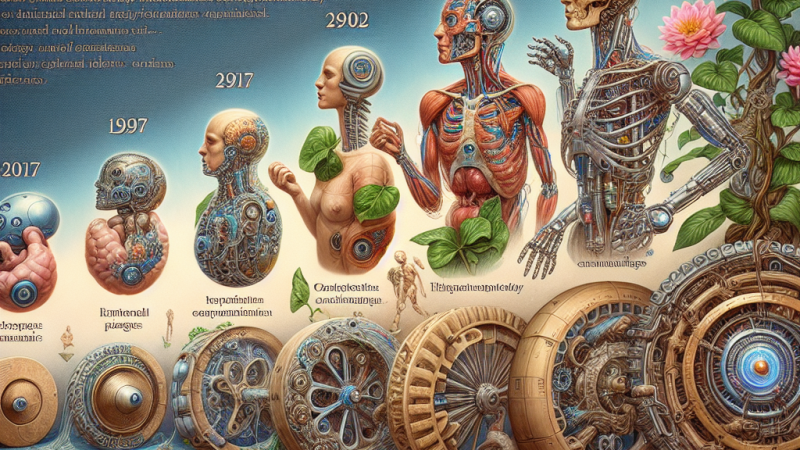
The field of Biomechanical Engineering has a rich history that dates back to ancient times. Early examples of biomechanical principles can be found in the works of Leonardo da Vinci, who studied the mechanics of human movement. However, the modern field began to take shape in the 20th century with several key milestones:
- 1950s: The development of the first artificial heart valve by Dr. Charles Hufnagel.
- 1960s: The introduction of biomechanics as a formal field of study, with significant contributions from researchers like Dr. Y.C. Fung.
- 1970s: The advent of computational biomechanics, which allowed for the simulation of complex biological systems.
- 1980s: The development of advanced imaging techniques, such as MRI and CT scans, which revolutionized the study of biomechanics.
Applications
Biomechanical Engineering has a wide range of applications across various industries and fields. Some of the most notable applications include:
Medical Devices
One of the most significant applications of Biomechanical Engineering is in the development of medical devices. These include:
- Prosthetics: Artificial limbs and joints that replace missing or damaged body parts.
- Orthopedic Implants: Devices such as hip and knee replacements that restore function to damaged joints.
- Cardiovascular Devices: Stents, pacemakers, and artificial heart valves that help manage heart conditions.
Rehabilitation Engineering
Biomechanical Engineering also plays a crucial role in rehabilitation, helping individuals recover from injuries and improve their quality of life. Examples include:
- Exoskeletons: Wearable devices that assist with movement and strength.
- Rehabilitation Robots: Machines that help patients perform exercises and regain mobility.
Sports Engineering
In the field of sports, Biomechanical Engineering is used to enhance athletic performance and prevent injuries. Applications include:
- Biomechanical Analysis: The study of athletes’ movements to optimize performance and reduce the risk of injury.
- Sports Equipment Design: The development of equipment, such as shoes and protective gear, that improves safety and performance.
Advanced Topics
Recent Research and Innovations
The field of Biomechanical Engineering is continually evolving, with recent research focusing on several advanced topics:
- Tissue Engineering: The development of artificial tissues and organs using a combination of cells, biomaterials, and biochemical factors.
- Biomechatronics: The integration of mechanical devices with biological systems, such as brain-controlled prosthetics.
- Computational Biomechanics: The use of computer simulations to model and analyze complex biological systems.
Future Trends
Looking ahead, several trends are likely to shape the future of Biomechanical Engineering:
- Personalized Medicine: The development of customized medical treatments and devices based on an individual’s unique biomechanics.
- Wearable Technology: The integration of biomechanical sensors into everyday clothing and accessories to monitor health and performance.
- Regenerative Medicine: Advances in stem cell research and tissue engineering that aim to repair or replace damaged tissues and organs.
Challenges and Considerations
Despite its many advancements, the field of Biomechanical Engineering faces several challenges and considerations:
Ethical Considerations
The development and use of biomechanical devices raise several ethical questions, such as:
- Informed Consent: Ensuring that patients fully understand the risks and benefits of biomechanical treatments.
- Privacy: Protecting the personal data collected by biomechanical sensors and devices.
Technical Challenges
Several technical challenges must be addressed to advance the field further:
- Material Limitations: Developing biomaterials that closely mimic the properties of natural tissues.
- Integration: Ensuring that biomechanical devices seamlessly integrate with the human body.
Regulatory Hurdles
The development and approval of biomechanical devices are subject to stringent regulatory requirements, which can slow down innovation. Potential solutions include:
- Streamlined Approval Processes: Working with regulatory bodies to develop faster approval pathways for innovative devices.
- Standardization: Developing industry-wide standards to ensure the safety and efficacy of biomechanical devices.
Conclusion
In conclusion, educational tools for Biomechanical Engineering are essential for advancing the field and training the next generation of engineers and researchers. From understanding the basic principles and historical development to exploring practical applications and advanced topics, a comprehensive education in Biomechanical Engineering equips individuals with the knowledge and skills needed to innovate and improve the quality of life for people around the world. Despite the challenges and considerations, the future of Biomechanical Engineering is bright, with numerous opportunities for growth and advancement.