Biomass Energy Systems
Introduction
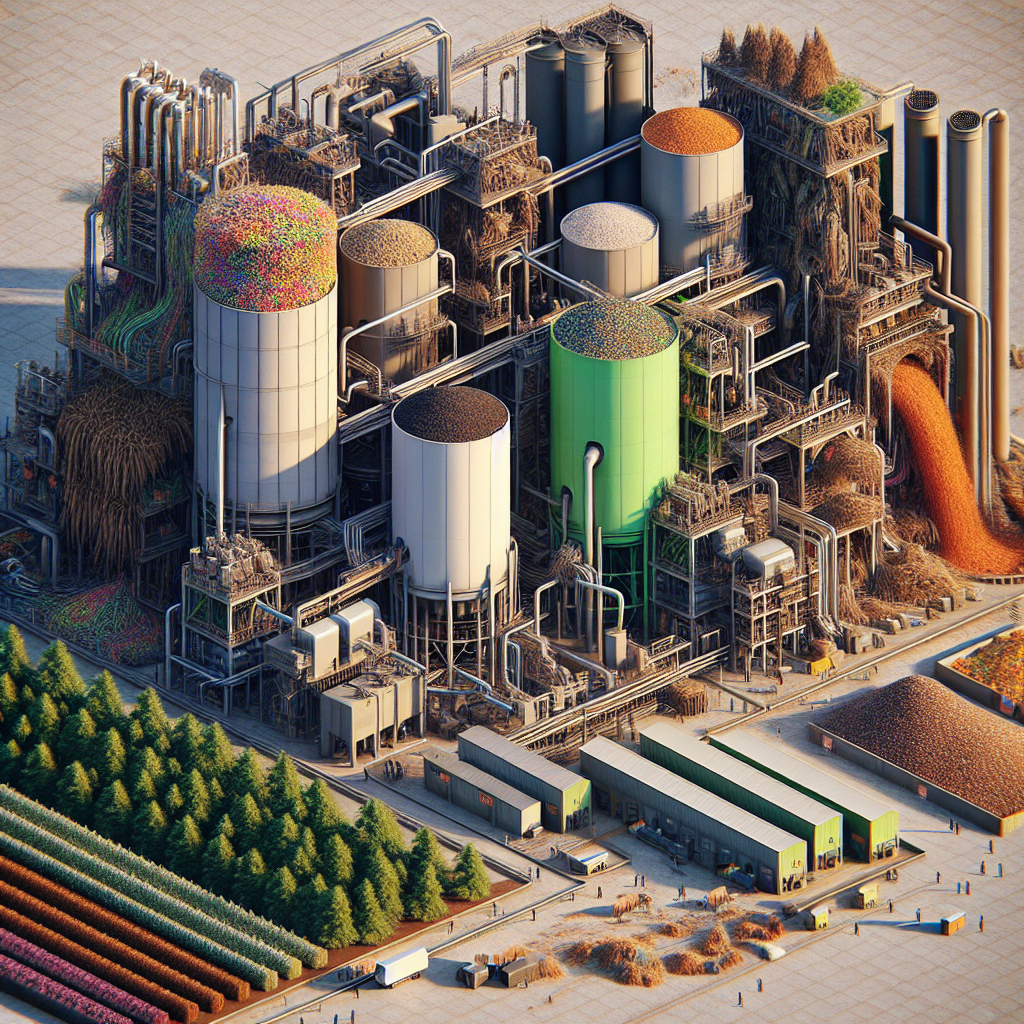
Biomass energy systems represent a crucial component in the portfolio of renewable energy technologies. As the world grapples with the dual challenges of climate change and energy security, the importance of sustainable and renewable energy sources has never been more pronounced. Biomass energy, derived from organic materials such as plant and animal waste, offers a renewable and potentially carbon-neutral alternative to fossil fuels. In the field of engineering, the development and optimization of biomass energy systems are pivotal for creating efficient, sustainable, and scalable energy solutions. This article delves into the various aspects of biomass energy systems, exploring their fundamentals, historical development, applications, advanced topics, and the challenges they face.
Fundamentals
Basic Principles and Concepts
Biomass energy is derived from organic materials, which can be converted into various forms of energy, including heat, electricity, and biofuels. The fundamental principle behind biomass energy is the conversion of chemical energy stored in organic matter into usable energy forms. This process can occur through several pathways, including combustion, gasification, pyrolysis, and anaerobic digestion.
Key Terms and Definitions
- Biomass: Organic material derived from plants and animals, including wood, agricultural residues, and animal waste.
- Combustion: The process of burning biomass to produce heat, which can be used directly or to generate electricity.
- Gasification: A process that converts biomass into syngas (a mixture of carbon monoxide, hydrogen, and carbon dioxide) through partial oxidation at high temperatures.
- Pyrolysis: The thermal decomposition of biomass in the absence of oxygen, producing bio-oil, syngas, and biochar.
- Anaerobic Digestion: A biological process that breaks down organic matter in the absence of oxygen, producing biogas (mainly methane and carbon dioxide) and digestate.
Historical Development
The use of biomass as an energy source dates back to ancient times when humans first used wood for cooking and heating. However, the modern development of biomass energy systems began in the 20th century, driven by the need for alternative energy sources and advancements in technology.
Key Milestones
- 1940s: The development of the first large-scale biomass gasification plants during World War II to produce fuel for vehicles.
- 1970s: The oil crisis spurred interest in renewable energy sources, leading to increased research and development in biomass energy technologies.
- 1980s-1990s: Advances in anaerobic digestion and pyrolysis technologies, along with the establishment of biomass power plants.
- 2000s-Present: Significant improvements in biomass conversion efficiency, the development of second-generation biofuels, and the integration of biomass energy systems into smart grids.
Notable Figures
- George Washington Carver: An early advocate for the use of agricultural residues for energy and industrial applications.
- William Grove: Pioneered the development of fuel cells, which are integral to some advanced biomass energy systems.
- David Tilman: A leading researcher in the field of bioenergy and sustainable agriculture.
Applications
Biomass energy systems have a wide range of applications across various industries and fields. These applications can be broadly categorized into heat production, electricity generation, and biofuel production.
Heat Production
Biomass combustion is commonly used for heat production in residential, commercial, and industrial settings. For example, wood pellets and chips are used in boilers and stoves to provide space heating and hot water. In industrial applications, biomass is used to generate process heat for manufacturing and other operations.
Electricity Generation
Biomass power plants convert organic materials into electricity through direct combustion, gasification, or anaerobic digestion. These plants can operate as standalone facilities or be integrated into existing power grids. A notable example is the Drax Power Station in the UK, which has converted several of its coal-fired units to biomass, significantly reducing its carbon emissions.
Biofuel Production
Biomass can be converted into liquid biofuels such as ethanol and biodiesel, which are used as alternatives to gasoline and diesel in transportation. The production of second-generation biofuels from non-food biomass sources, such as agricultural residues and woody biomass, addresses concerns about food security and land use. A case study is the POET-DSM Advanced Biofuels plant in Iowa, which produces cellulosic ethanol from corn stover.
Advanced Topics
Recent Research and Innovations
Recent advancements in biomass energy systems focus on improving conversion efficiency, reducing costs, and minimizing environmental impacts. Innovations include:
- Biomass Gasification: Development of advanced gasification technologies that produce cleaner syngas with higher energy content.
- Biochar Production: Research into the use of biochar as a soil amendment to sequester carbon and improve soil health.
- Algal Biofuels: Exploration of microalgae as a feedstock for biofuel production due to their high growth rates and lipid content.
- Integrated Biorefineries: Facilities that co-produce biofuels, biochemicals, and bioenergy from biomass, maximizing resource utilization and economic viability.
Future Trends
The future of biomass energy systems is likely to be shaped by several trends, including:
- Decentralized Energy Systems: Small-scale biomass energy systems integrated into local energy grids to enhance energy security and resilience.
- Hybrid Systems: Combining biomass with other renewable energy sources, such as solar and wind, to create hybrid systems that provide reliable and continuous power.
- Carbon Capture and Storage (CCS): Integration of CCS technologies with biomass energy systems to achieve negative carbon emissions.
Challenges and Considerations
Despite the potential benefits of biomass energy systems, several challenges and considerations must be addressed to realize their full potential.
Challenges
- Feedstock Supply: Ensuring a consistent and sustainable supply of biomass feedstock can be challenging due to seasonal variations and competition with other uses.
- Land Use: The cultivation of energy crops can compete with food production and lead to land-use changes that impact biodiversity and ecosystems.
- Conversion Efficiency: Improving the efficiency of biomass conversion processes is essential to make biomass energy systems economically viable.
- Environmental Impact: Biomass energy systems must be managed to minimize emissions of pollutants and greenhouse gases.
Potential Solutions
- Sustainable Agriculture Practices: Implementing sustainable agriculture practices to produce biomass feedstock without compromising food security or environmental health.
- Technological Advancements: Investing in research and development to improve conversion technologies and enhance the efficiency and cost-effectiveness of biomass energy systems.
- Policy Support: Developing supportive policies and incentives to promote the adoption of biomass energy systems and ensure their sustainability.
Conclusion
Biomass energy systems play a vital role in the transition to a sustainable and renewable energy future. By harnessing the energy stored in organic materials, these systems offer a renewable and potentially carbon-neutral alternative to fossil fuels. The development and optimization of biomass energy systems are essential for creating efficient, sustainable, and scalable energy solutions. While challenges remain, ongoing research, technological advancements, and supportive policies can help overcome these obstacles and unlock the full potential of biomass energy. As the world continues to seek sustainable energy solutions, biomass energy systems will undoubtedly play a crucial role in shaping the future of renewable energy in engineering.