Vehicle Design and Manufacturing
Introduction
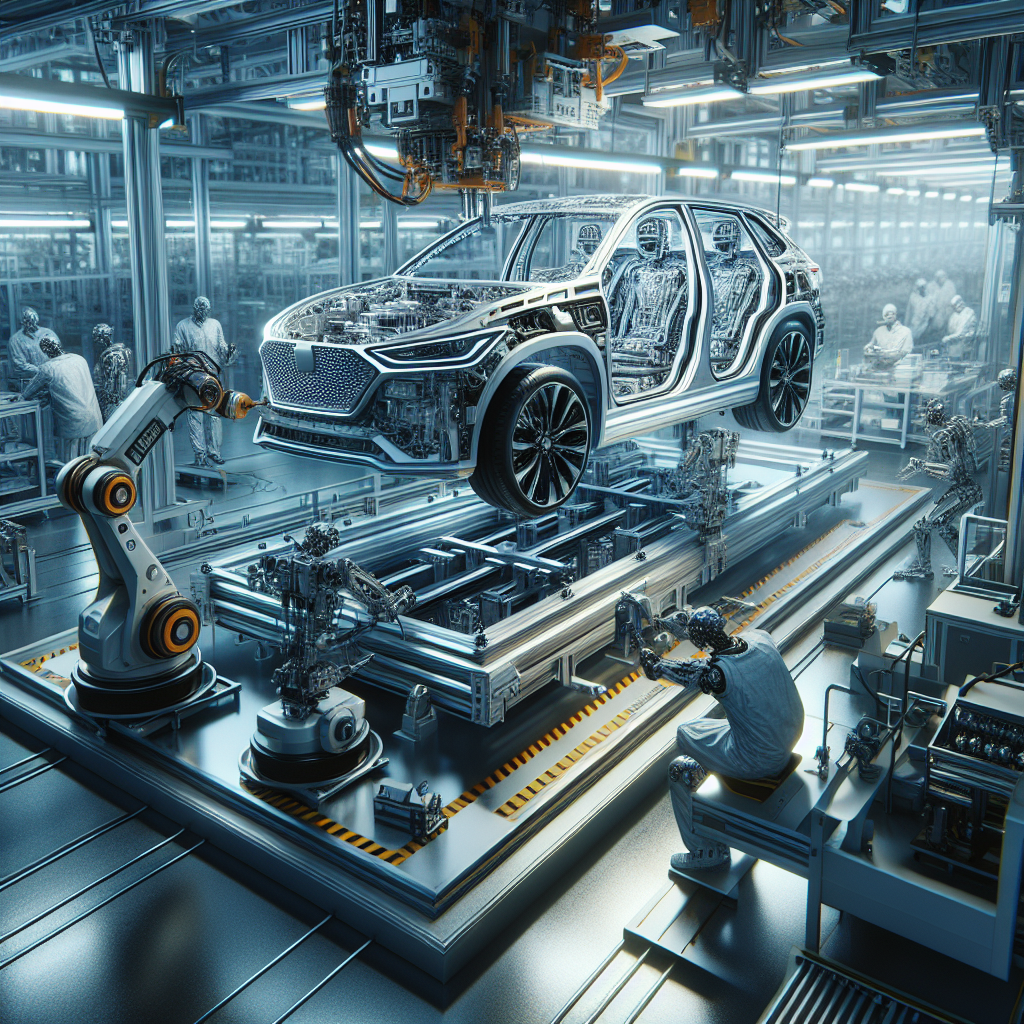
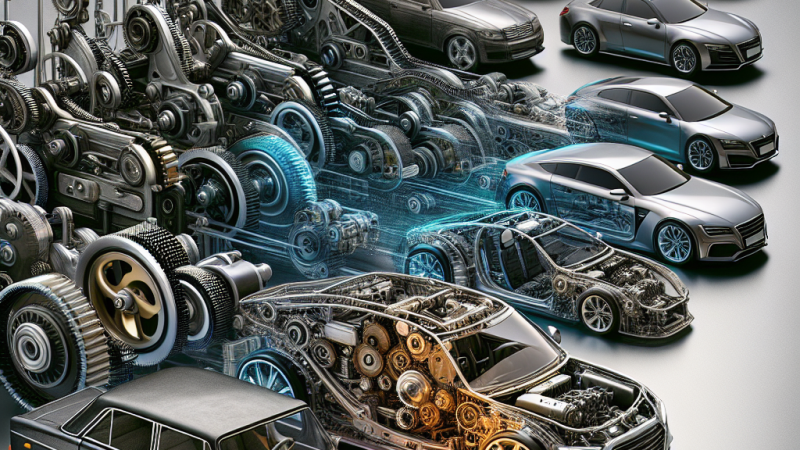
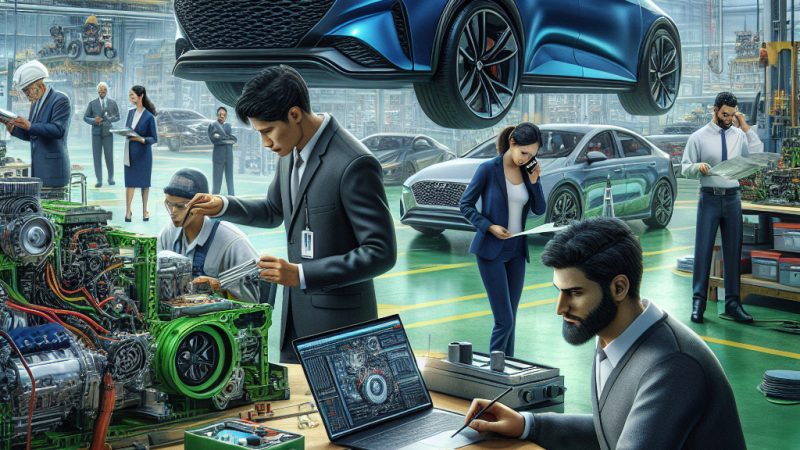
Vehicle design and manufacturing are pivotal aspects of automotive engineering, a field that combines principles of mechanical, electrical, and materials engineering to create vehicles that are safe, efficient, and reliable. The importance of vehicle design and manufacturing cannot be overstated, as it directly impacts the performance, safety, and environmental footprint of automobiles. This article delves into the various facets of vehicle design and manufacturing, exploring its fundamentals, historical development, practical applications, advanced topics, challenges, and future trends.
Fundamentals
Basic Principles and Concepts
Vehicle design and manufacturing encompass a wide range of principles and concepts. At its core, vehicle design involves the conceptualization and creation of a vehicle’s form and function. This includes the exterior design, which focuses on aesthetics and aerodynamics, and the interior design, which emphasizes ergonomics and user experience.
Key Terms and Definitions
- Chassis: The frame of the vehicle, which supports the body and other components.
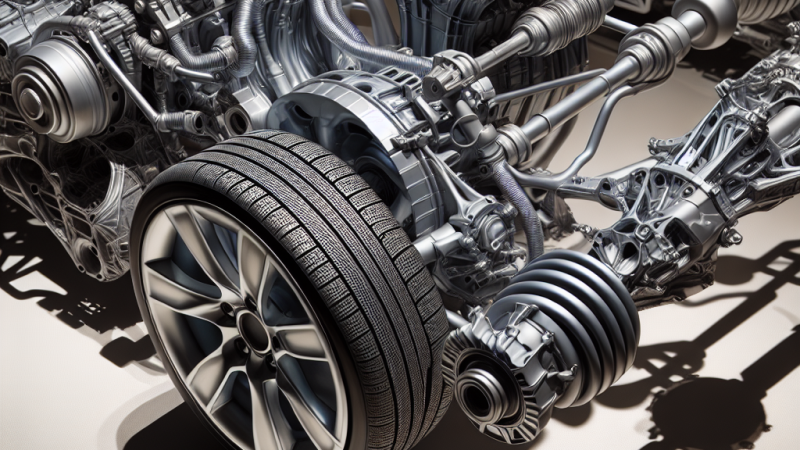
- Powertrain: The system that generates and delivers power to the wheels, including the engine, transmission, and drivetrain.
- Aerodynamics: The study of how air flows around the vehicle, affecting its performance and fuel efficiency.
- Ergonomics: The design of the vehicle’s interior to ensure comfort and ease of use for the occupants.
- Materials Engineering: The selection and application of materials to optimize the vehicle’s performance, safety, and cost.
Theories and Concepts
Several theories underpin vehicle design and manufacturing. For instance, the theory of aerodynamics is crucial for reducing drag and improving fuel efficiency. The theory of structural mechanics helps in designing a robust chassis that can withstand various loads and impacts. Additionally, the theory of thermodynamics is essential for optimizing engine performance and efficiency.
Historical Development
Early Innovations
The history of vehicle design and manufacturing dates back to the late 19th century with the invention of the first automobiles. Karl Benz is often credited with creating the first practical automobile in 1885, which featured a single-cylinder engine. This marked the beginning of a new era in transportation.
Key Milestones
- 1908: Henry Ford introduced the Model T, revolutionizing mass production with the assembly line technique.
- 1930s: The introduction of aerodynamic designs, such as the Chrysler Airflow, improved vehicle performance and fuel efficiency.
- 1950s: The development of unibody construction, where the body and frame are integrated, enhanced vehicle safety and rigidity.
- 1980s: The advent of computer-aided design (CAD) and computer-aided manufacturing (CAM) transformed the design and production processes.
- 2000s: The rise of electric vehicles (EVs) and hybrid technologies marked a significant shift towards sustainable transportation.
Notable Figures
Several individuals have made significant contributions to vehicle design and manufacturing. Henry Ford’s innovations in mass production techniques made automobiles accessible to the masses. Ferdinand Porsche’s work on the Volkswagen Beetle and the Porsche 911 set new standards in automotive design. More recently, Elon Musk’s vision for electric vehicles has propelled Tesla to the forefront of automotive innovation.
Applications
Automotive Industry
The primary application of vehicle design and manufacturing is in the automotive industry. Automakers such as Toyota, General Motors, and BMW invest heavily in research and development to create vehicles that meet consumer demands for performance, safety, and sustainability.
Case Studies
One notable case study is the development of the Toyota Prius, the world’s first mass-produced hybrid vehicle. Launched in 1997, the Prius combined a gasoline engine with an electric motor, significantly reducing fuel consumption and emissions. Another example is the Ford F-150, which utilized advanced materials such as high-strength steel and aluminum to reduce weight and improve fuel efficiency without compromising durability.
Other Industries
Beyond the automotive industry, vehicle design and manufacturing principles are applied in various fields, including aerospace, marine, and rail transportation. For instance, the design of aircraft and ships involves similar considerations of aerodynamics and materials engineering to optimize performance and safety.
Advanced Topics
Recent Research and Innovations
Recent advancements in vehicle design and manufacturing are driven by the need for sustainability and efficiency. Electric vehicles (EVs) and autonomous vehicles (AVs) are at the forefront of this innovation. Research in battery technology, such as solid-state batteries, aims to improve the range and charging times of EVs. Additionally, advancements in artificial intelligence (AI) and machine learning are enabling the development of AVs that can navigate complex environments with minimal human intervention.
Future Trends
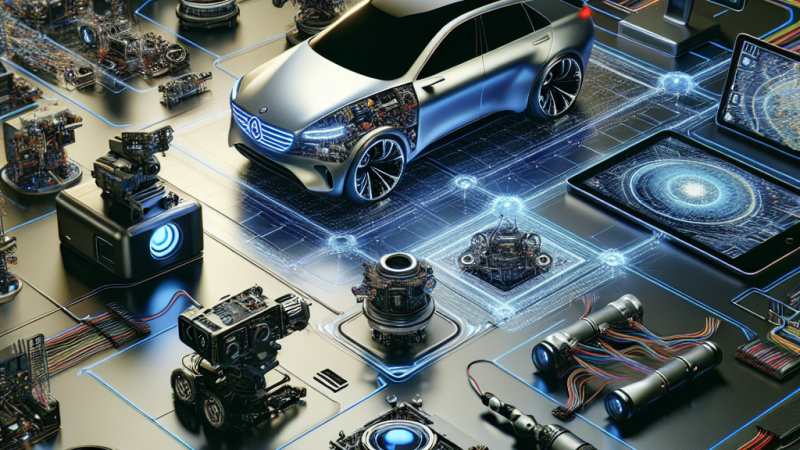
The future of vehicle design and manufacturing is likely to be shaped by several key trends. The shift towards electric and autonomous vehicles will continue to drive innovation in battery technology, AI, and materials engineering. Additionally, the integration of smart technologies, such as connected vehicle systems and advanced driver-assistance systems (ADAS), will enhance safety and convenience for drivers and passengers.
Challenges and Considerations
Technical Challenges
One of the primary challenges in vehicle design and manufacturing is balancing performance, safety, and cost. For instance, while lightweight materials such as carbon fiber can improve fuel efficiency, they are often expensive and difficult to manufacture. Additionally, the development of autonomous vehicles presents significant technical challenges, including ensuring the reliability and safety of AI systems in diverse driving conditions.
Environmental Considerations
The environmental impact of vehicle manufacturing is another critical consideration. The production of vehicles involves significant energy consumption and emissions. To address this, automakers are increasingly adopting sustainable practices, such as using recycled materials and renewable energy sources in their manufacturing processes.
Regulatory Challenges
Regulatory compliance is another important consideration in vehicle design and manufacturing. Automakers must adhere to stringent safety and emissions standards set by regulatory bodies such as the National Highway Traffic Safety Administration (NHTSA) and the Environmental Protection Agency (EPA). These regulations often require continuous innovation and adaptation to meet evolving standards.
Potential Solutions
To address these challenges, ongoing research and development are essential. For instance, advancements in materials science can lead to the development of cost-effective, lightweight materials that enhance vehicle performance and efficiency. Additionally, collaboration between automakers, technology companies, and regulatory bodies can facilitate the development of safe and reliable autonomous vehicles.
Conclusion
In conclusion, vehicle design and manufacturing are integral components of automotive engineering, encompassing a wide range of principles, concepts, and applications. From the early innovations of Karl Benz and Henry Ford to the recent advancements in electric and autonomous vehicles, the field has continually evolved to meet the demands of performance, safety, and sustainability. While there are significant challenges to overcome, ongoing research and innovation hold the promise of a future where vehicles are not only efficient and reliable but also environmentally friendly and autonomous. The importance of vehicle design and manufacturing in the field of automotive engineering cannot be overstated, as it directly impacts the quality of life for millions of people worldwide.