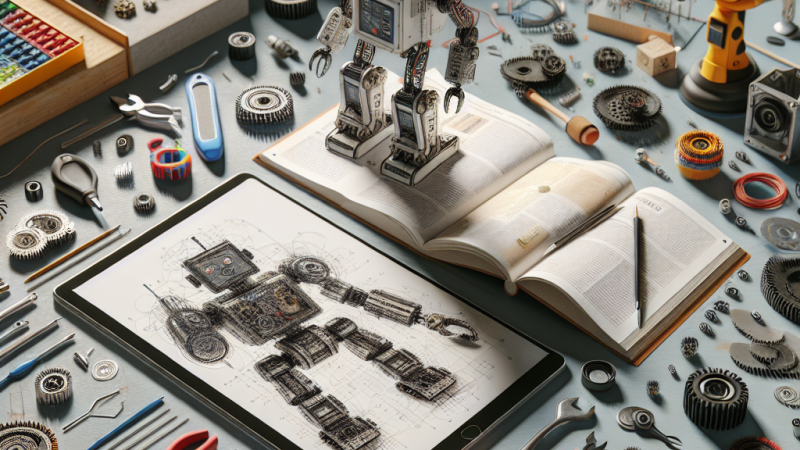
Robotics in Space Exploration
Introduction
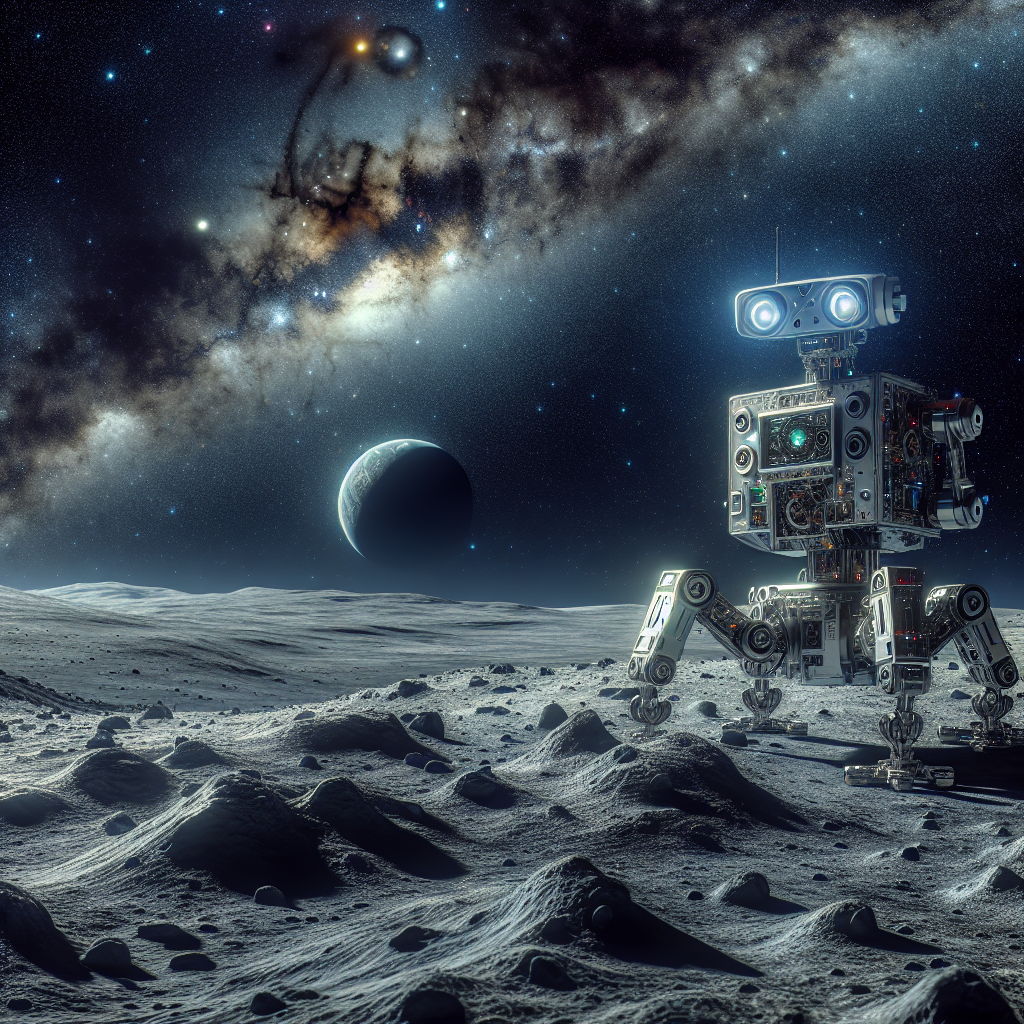
Robotics in space exploration represents a fascinating intersection of engineering, computer science, and astrophysics. The importance of this field cannot be overstated, as it enables humanity to explore the vast expanses of space, conduct scientific research, and even consider the possibility of colonizing other planets. The development and deployment of robotic systems in space have revolutionized our understanding of the universe and have paved the way for numerous technological advancements. This article delves into the various aspects of robotics in space exploration, highlighting its significance, historical development, applications, advanced topics, challenges, and future trends.
Fundamentals
Basic Principles and Concepts
Robotics in space exploration involves the design, construction, and operation of robots that can perform tasks in the harsh and unpredictable environment of space. These robots are equipped with sensors, actuators, and control systems that allow them to navigate, manipulate objects, and gather data. Key terms in this field include:
- Autonomy: The ability of a robot to perform tasks without human intervention.
- Teleoperation: Remote control of a robot by a human operator, often from Earth.
- Artificial Intelligence (AI): The use of algorithms and machine learning to enable robots to make decisions and learn from their environment.
- Robotic Arm: A mechanical arm used for manipulating objects, often found on space stations and rovers.
- Rover: A mobile robot designed to explore the surface of a planet or moon.
Theories and Key Terms
Several theories underpin the development of space robotics, including:
- Control Theory: The study of how to manipulate the behavior of dynamic systems, crucial for the precise movements of space robots.
- Machine Learning: A subset of AI that allows robots to learn from data and improve their performance over time.
- Robustness: The ability of a robot to function under a variety of conditions, essential for the unpredictable environment of space.
Historical Development
Early Milestones
The history of robotics in space exploration dates back to the early days of space travel. One of the first significant milestones was the launch of the Soviet Union’s Luna 9 in 1966, which successfully transmitted images from the Moon’s surface. This was followed by the United States’ Apollo missions, which included the deployment of the Lunar Roving Vehicle (LRV) in 1971, allowing astronauts to explore the Moon’s surface more extensively.
Notable Figures and Contributions
Several notable figures have made significant contributions to the field of space robotics:
- Wernher von Braun: A key figure in the development of rocket technology and space exploration, von Braun’s work laid the foundation for modern space robotics.
- Rodolfo Neri Vela: The first Mexican astronaut, who contributed to the development of robotic systems for space missions.
- Elon Musk: The founder of SpaceX, whose innovations in reusable rockets and autonomous spacecraft have revolutionized space travel.
Applications
Exploration and Research
One of the primary applications of robotics in space exploration is the exploration of other planets and moons. Robotic rovers like NASA’s Curiosity and Perseverance have been instrumental in gathering data about Mars’ surface, climate, and potential for life. These rovers are equipped with advanced scientific instruments, cameras, and robotic arms that allow them to conduct experiments and analyze samples.
Space Stations and Satellites
Robotic systems are also crucial for the maintenance and operation of space stations and satellites. The Canadarm2, a robotic arm on the International Space Station (ISS), is used for tasks such as capturing and docking spacecraft, performing repairs, and assisting astronauts during spacewalks. Similarly, robotic systems are used to deploy, repair, and upgrade satellites, ensuring their continued functionality.
Commercial and Industrial Applications
The commercial space industry has also benefited from advancements in space robotics. Companies like SpaceX and Blue Origin are developing autonomous spacecraft for cargo delivery, satellite deployment, and even space tourism. These robotic systems are designed to operate with minimal human intervention, reducing costs and increasing efficiency.
Advanced Topics
Recent Research and Innovations
Recent research in space robotics has focused on enhancing the autonomy and intelligence of robotic systems. Advances in AI and machine learning have enabled robots to make more complex decisions and adapt to changing environments. For example, NASA’s Mars 2020 mission includes the Ingenuity helicopter, an autonomous drone that can fly and navigate the Martian atmosphere, providing aerial reconnaissance for the Perseverance rover.
Future Trends
The future of space robotics holds exciting possibilities. One emerging trend is the development of robotic systems for in-situ resource utilization (ISRU), which involves using local materials to support space missions. For example, robots could be used to extract water from the Moon’s surface or mine minerals from asteroids, reducing the need for costly resupply missions from Earth.
Another promising area is the use of swarm robotics, where multiple robots work together to perform tasks. This approach could be used for large-scale construction projects, such as building habitats on Mars or assembling space telescopes in orbit.
Challenges and Considerations
Technical Challenges
Despite the many advancements in space robotics, several technical challenges remain. One of the primary challenges is ensuring the reliability and robustness of robotic systems in the harsh environment of space. Extreme temperatures, radiation, and microgravity can all affect the performance of robots, requiring careful design and testing.
Ethical and Legal Considerations
There are also ethical and legal considerations associated with the use of robotics in space exploration. For example, the potential for contamination of other planets with Earth-based microbes raises concerns about the preservation of extraterrestrial ecosystems. Additionally, the ownership and use of resources in space are subject to international treaties and regulations, which must be carefully navigated.
Potential Solutions and Areas for Further Research
Addressing these challenges will require continued research and innovation. Potential solutions include the development of more robust materials and components, improved AI algorithms for autonomous decision-making, and international collaboration to establish clear guidelines and regulations for space exploration.
Conclusion
Robotics in space exploration is a dynamic and rapidly evolving field that has already made significant contributions to our understanding of the universe. From the early milestones of lunar exploration to the advanced autonomous systems of today, robotic systems have enabled humanity to push the boundaries of what is possible. As technology continues to advance, the potential applications of space robotics will only expand, opening up new opportunities for scientific discovery, commercial ventures, and even the possibility of human settlement on other planets. The challenges and considerations associated with this field are significant, but with continued research and innovation, the future of space robotics holds immense promise.