Robotics in Retail
Introduction
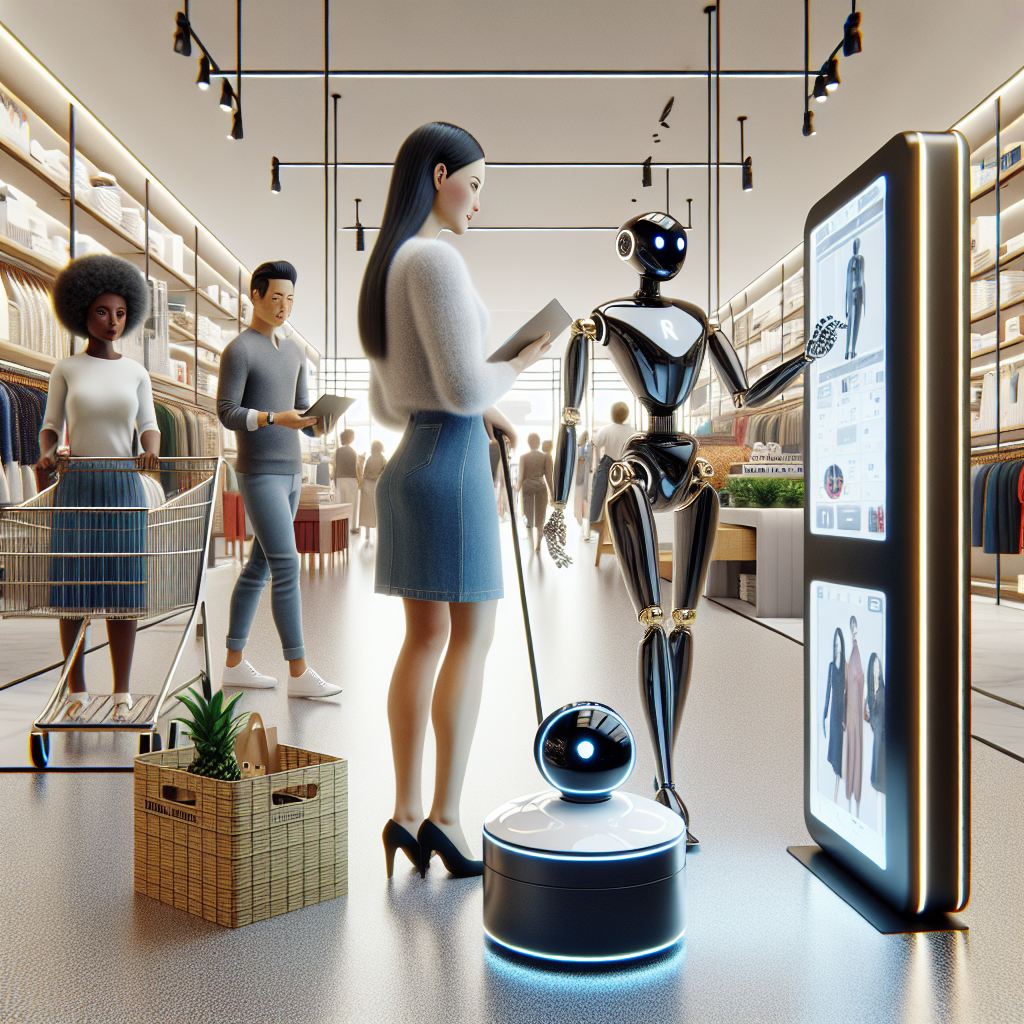
Robotics in retail is an emerging field that combines the principles of robotics and engineering to revolutionize the retail industry. The integration of robotics in retail operations has the potential to enhance efficiency, reduce costs, and improve customer experiences. This article delves into the importance and relevance of robotics in retail, exploring its fundamental principles, historical development, practical applications, advanced topics, challenges, and future trends.
Fundamentals
Basic Principles and Concepts
Robotics in retail involves the use of automated machines and systems to perform tasks traditionally carried out by human workers. These tasks can range from inventory management and shelf stocking to customer service and checkout processes. The key principles of robotics in retail include:
- Automation: The use of technology to perform tasks without human intervention.
- Artificial Intelligence (AI): The simulation of human intelligence in machines, enabling them to learn, reason, and make decisions.
- Machine Learning: A subset of AI that allows robots to learn from data and improve their performance over time.
- Computer Vision: The ability of robots to interpret and understand visual information from the surrounding environment.
- Robotic Process Automation (RPA): The use of software robots to automate repetitive and rule-based tasks.
Key Terms
- Autonomous Mobile Robots (AMRs): Robots that can navigate and perform tasks without human intervention.
- Collaborative Robots (Cobots): Robots designed to work alongside humans in a shared workspace.
- Internet of Things (IoT): A network of interconnected devices that communicate and exchange data.
- Radio-Frequency Identification (RFID): A technology used for tracking and identifying objects using radio waves.
Historical Development
The concept of robotics in retail has evolved significantly over the years. The journey began with the advent of basic automation technologies and has since progressed to sophisticated AI-driven systems. Key milestones in the historical development of robotics in retail include:
- 1960s: The introduction of barcode scanning technology revolutionized inventory management and checkout processes.
- 1980s: The development of Automated Guided Vehicles (AGVs) for material handling in warehouses.
- 1990s: The emergence of e-commerce platforms, leading to the need for automated order fulfillment systems.
- 2000s: The rise of AI and machine learning technologies, enabling more advanced robotic systems.
- 2010s: The deployment of AMRs and cobots in retail environments for tasks such as shelf scanning and customer assistance.
Notable figures in the field include Joseph Engelberger, known as the “father of robotics,” and Rodney Brooks, a pioneer in the development of intelligent robots.
Applications
Robotics in retail has a wide range of practical applications, transforming various aspects of the industry. Some notable applications include:
Inventory Management
Robots equipped with computer vision and RFID technology can perform real-time inventory tracking, ensuring accurate stock levels and reducing the risk of stockouts or overstocking. For example, Walmart uses shelf-scanning robots to monitor inventory and identify misplaced items.
Customer Service
Robots can enhance customer experiences by providing assistance and information. For instance, SoftBank’s Pepper robot is used in stores to greet customers, answer questions, and provide product recommendations.
Order Fulfillment
Automated systems in warehouses, such as Amazon’s Kiva robots, streamline the order fulfillment process by efficiently picking and packing items for shipment. This reduces processing time and increases order accuracy.
Checkout Automation
Self-checkout kiosks and robotic checkout systems enable customers to complete their purchases quickly and conveniently. These systems use computer vision and AI to scan items and process payments.
Store Maintenance
Robots can perform routine maintenance tasks such as cleaning floors and restocking shelves. For example, the Tally robot by Simbe Robotics autonomously navigates store aisles to ensure shelves are well-stocked and organized.
Advanced Topics
Recent Research and Innovations
Recent advancements in robotics and AI have led to innovative solutions in the retail sector. Some cutting-edge developments include:
- AI-Powered Personalization: Using AI algorithms to analyze customer data and provide personalized shopping experiences.
- Robotic Process Automation (RPA): Implementing RPA to automate back-office tasks such as data entry and order processing.
- Augmented Reality (AR): Integrating AR with robotics to create immersive shopping experiences, such as virtual try-ons and interactive displays.
- Blockchain Technology: Enhancing supply chain transparency and security through blockchain-based tracking systems.
Future Trends
The future of robotics in retail is promising, with several trends expected to shape the industry:
- Increased Adoption of AMRs: More retailers will deploy AMRs for tasks such as inventory management, order fulfillment, and customer service.
- Integration of AI and IoT: The combination of AI and IoT will enable smarter and more connected retail environments.
- Expansion of Autonomous Delivery: The use of drones and autonomous vehicles for last-mile delivery will become more prevalent.
- Enhanced Customer Engagement: Robots will play a key role in creating interactive and engaging in-store experiences.
Challenges and Considerations
While robotics in retail offers numerous benefits, it also presents several challenges and considerations:
Technical Challenges
Developing and deploying advanced robotic systems requires significant technical expertise and resources. Ensuring the reliability, accuracy, and safety of these systems is crucial.
Cost Considerations
The initial investment in robotic technology can be substantial. Retailers must carefully evaluate the cost-benefit ratio and consider long-term returns on investment.
Workforce Impact
The adoption of robotics may lead to concerns about job displacement. It is essential to address these concerns by reskilling and upskilling the workforce to work alongside robots.
Data Privacy and Security
The use of AI and IoT in retail raises concerns about data privacy and security. Retailers must implement robust measures to protect customer data and ensure compliance with regulations.
Integration with Existing Systems
Integrating robotic systems with existing retail infrastructure can be complex. Seamless integration is necessary to maximize the benefits of automation.
Conclusion
Robotics in retail is a transformative field that holds immense potential for enhancing efficiency, reducing costs, and improving customer experiences. By understanding the fundamental principles, historical development, practical applications, advanced topics, and challenges associated with this field, retailers can make informed decisions about adopting robotic technologies. As the industry continues to evolve, the integration of robotics in retail will play a pivotal role in shaping the future of shopping experiences and operational efficiency.