Industrial Engineering in Retail
Introduction
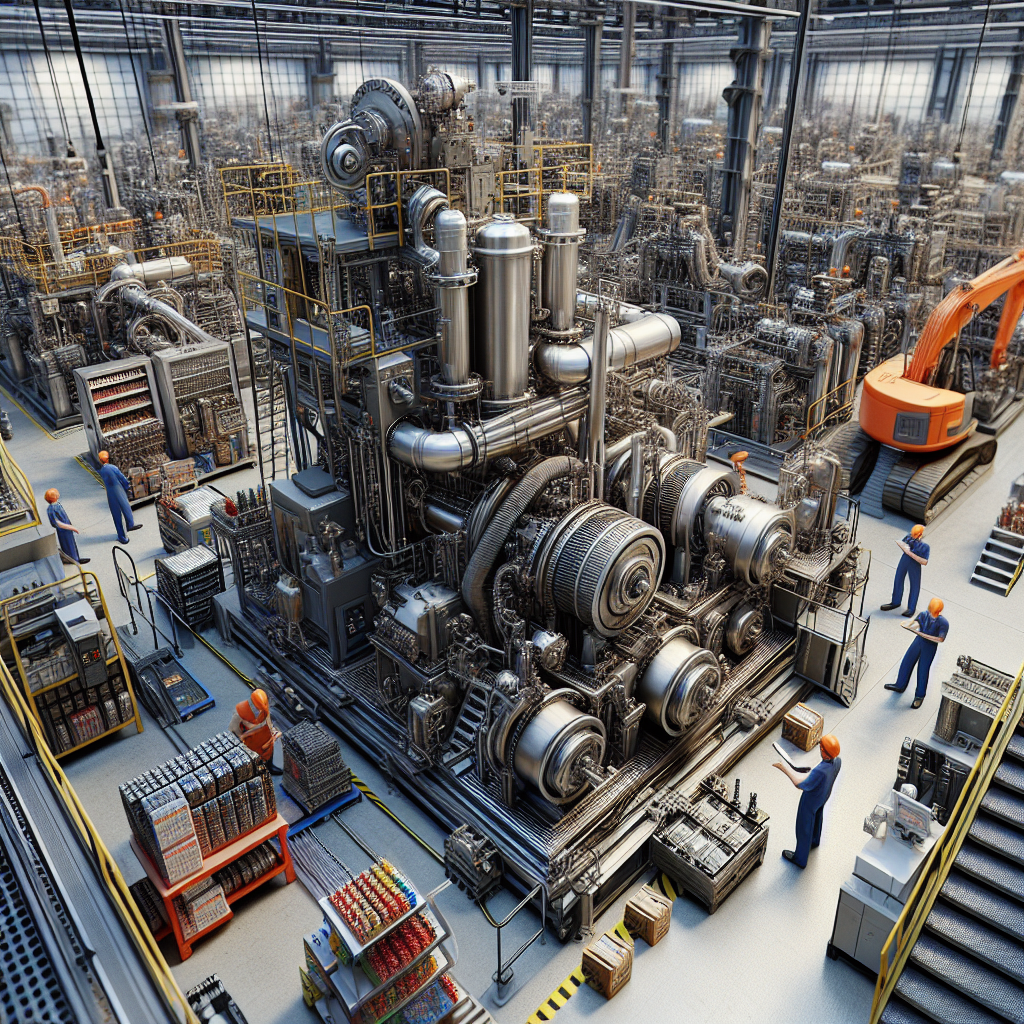
Industrial Engineering (IE) is a multifaceted discipline that focuses on optimizing complex processes, systems, and organizations. One of the most dynamic and impactful applications of Industrial Engineering is in the retail sector. Retail, a cornerstone of the global economy, involves the sale of goods and services to consumers. The integration of Industrial Engineering principles in retail aims to enhance efficiency, reduce costs, and improve customer satisfaction. This article delves into the importance, fundamentals, historical development, applications, advanced topics, challenges, and future trends of Industrial Engineering in retail.
Fundamentals
Basic Principles and Concepts
Industrial Engineering in retail revolves around several core principles:
- Process Optimization: Streamlining operations to minimize waste and maximize efficiency.
- Supply Chain Management: Coordinating the flow of goods from suppliers to consumers.
- Inventory Management: Balancing stock levels to meet demand without overstocking.
- Quality Control: Ensuring products meet certain standards and customer expectations.
- Ergonomics: Designing workspaces and processes to improve worker productivity and safety.
Key Terms
- Lean Manufacturing: A methodology that focuses on minimizing waste within manufacturing systems while simultaneously maximizing productivity.
- Six Sigma: A set of techniques and tools for process improvement, aiming to reduce defects and variability.
- Just-In-Time (JIT): An inventory strategy that aligns raw-material orders from suppliers directly with production schedules.
- Kaizen: A Japanese term meaning “continuous improvement,” used to describe activities that continuously improve all functions and involve all employees.
Historical Development
The application of Industrial Engineering in retail has evolved significantly over the years. Initially, retail operations were largely manual and labor-intensive. The introduction of assembly line techniques by Henry Ford in the early 20th century marked a significant milestone, influencing retail logistics and inventory management.
In the mid-20th century, the development of Operations Research (OR) provided new tools for optimizing retail processes. The advent of computers and information technology in the latter half of the century further revolutionized the field, enabling more sophisticated data analysis and automation.
Notable figures such as Frederick Taylor, known for his work in scientific management, and W. Edwards Deming, a pioneer in quality control, have made significant contributions to the principles that underpin Industrial Engineering in retail today.
Applications
Supply Chain Management
One of the most critical applications of Industrial Engineering in retail is in supply chain management. Efficient supply chain management ensures that products are available to consumers when and where they need them. Techniques such as Just-In-Time (JIT) inventory and demand forecasting are employed to optimize stock levels and reduce holding costs.
Store Layout and Design
Industrial Engineers use principles of ergonomics and human factors to design store layouts that enhance the shopping experience. This includes optimizing the placement of products to increase visibility and accessibility, thereby boosting sales.
Process Improvement
Retailers often employ Lean and Six Sigma methodologies to streamline operations, reduce waste, and improve quality. For example, Walmart uses data analytics and process optimization techniques to manage its vast network of stores and distribution centers efficiently.
Case Study: Amazon
Amazon is a prime example of Industrial Engineering principles applied in retail. The company uses advanced algorithms for inventory management, robotics for warehouse automation, and sophisticated logistics networks to ensure rapid delivery. These innovations have set new standards for efficiency and customer satisfaction in the retail industry.
Advanced Topics
Artificial Intelligence and Machine Learning
Recent advancements in Artificial Intelligence (AI) and Machine Learning (ML) are transforming retail operations. AI algorithms can predict consumer behavior, optimize pricing strategies, and personalize marketing efforts. Machine Learning models are used for demand forecasting, inventory management, and even in-store navigation.
Internet of Things (IoT)
The Internet of Things (IoT) is another emerging technology with significant implications for retail. IoT devices can track inventory in real-time, monitor equipment performance, and provide valuable data for process optimization. Smart shelves, for example, can automatically update inventory levels and alert staff when restocking is needed.
Blockchain Technology
Blockchain technology offers potential solutions for enhancing transparency and security in the supply chain. By providing a decentralized ledger of transactions, blockchain can help retailers track the provenance of goods, ensure authenticity, and reduce fraud.
Challenges and Considerations
Data Security and Privacy
With the increasing reliance on data analytics and IoT devices, data security and privacy have become major concerns. Retailers must ensure that customer data is protected from breaches and misuse.
Integration of New Technologies
Integrating new technologies such as AI, IoT, and blockchain into existing systems can be challenging. It requires significant investment and a skilled workforce to manage and maintain these technologies.
Supply Chain Disruptions
Global events such as the COVID-19 pandemic have highlighted the vulnerability of supply chains. Retailers must develop robust contingency plans to mitigate the impact of such disruptions.
Environmental Sustainability
As consumers become more environmentally conscious, retailers face pressure to adopt sustainable practices. This includes reducing waste, minimizing carbon footprints, and ensuring ethical sourcing of products.
Conclusion
Industrial Engineering plays a crucial role in the retail sector, driving efficiency, reducing costs, and enhancing customer satisfaction. From supply chain management to store layout design, the principles of Industrial Engineering are applied to optimize various aspects of retail operations. Recent advancements in AI, IoT, and blockchain technology offer exciting opportunities for further innovation. However, challenges such as data security, technology integration, and supply chain disruptions must be addressed. As the retail landscape continues to evolve, the importance of Industrial Engineering in shaping its future cannot be overstated.