Educational Tools for Industrial Engineering
Introduction
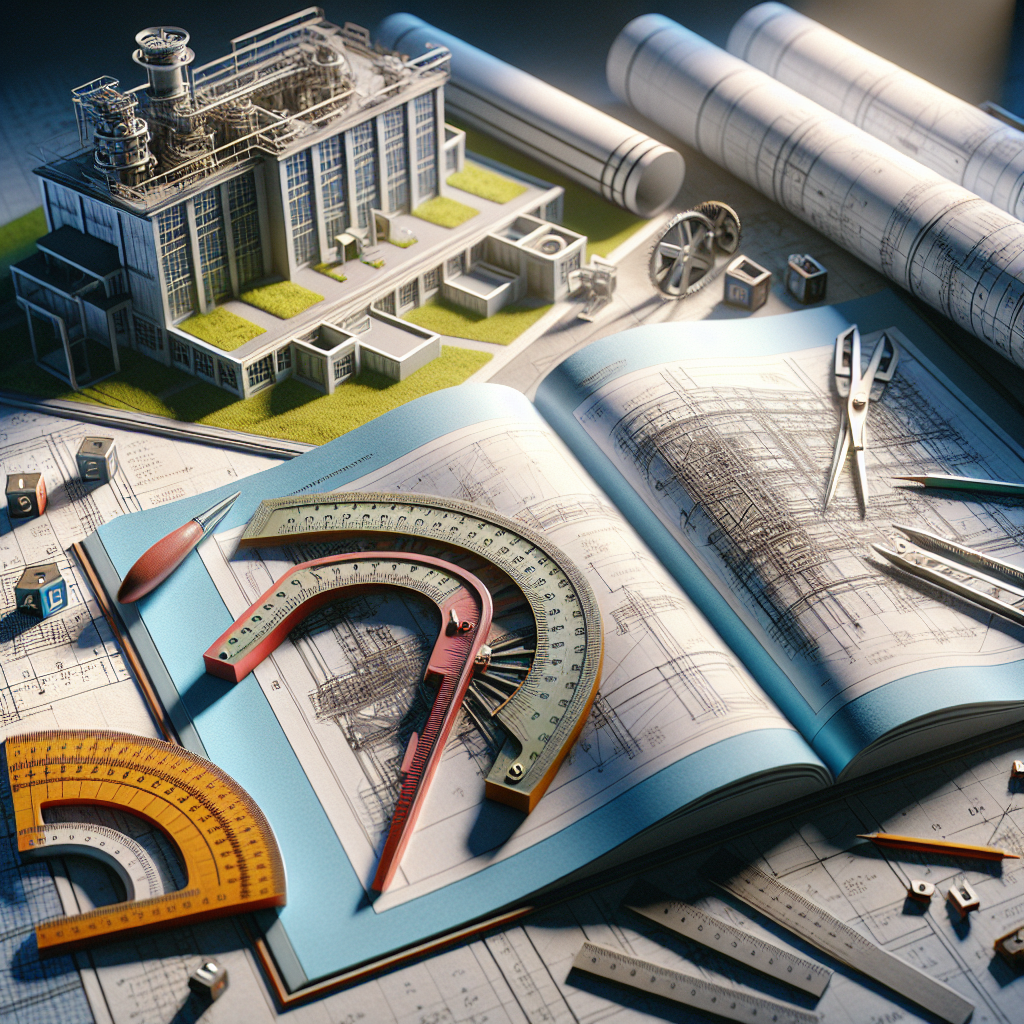
Industrial Engineering (IE) is a field that focuses on optimizing complex processes, systems, or organizations. It involves the integration of people, materials, information, equipment, and energy to design, improve, and implement systems that produce goods and services efficiently. Educational tools for Industrial Engineering are essential for equipping students and professionals with the knowledge and skills needed to excel in this dynamic field. These tools range from traditional textbooks and lectures to advanced simulation software and virtual reality environments. This article delves into the various educational tools available for Industrial Engineering, their importance, and their applications in the industry.
Fundamentals
Basic Principles and Concepts
Industrial Engineering is grounded in several core principles and concepts that guide its practice. These include:
- Systems Thinking: Understanding the interrelationships between different components of a system and how they influence one another.
- Optimization: The process of making a system as effective or functional as possible, often through mathematical models and algorithms.
- Ergonomics: The study of designing equipment and systems that fit the human body and its cognitive abilities.
- Lean Manufacturing: A methodology that focuses on minimizing waste within manufacturing systems while simultaneously maximizing productivity.
- Quality Control: Techniques and activities used to fulfill requirements for quality in products and services.
Key Terms
Some key terms in Industrial Engineering include:
- Throughput: The rate at which a system generates its products or services.
- Cycle Time: The total time from the beginning to the end of a process.
- Six Sigma: A set of techniques and tools for process improvement, aiming for near-perfection in quality.
- Supply Chain Management: The management of the flow of goods and services from raw materials to the end customer.
Historical Development
The field of Industrial Engineering has evolved significantly over the years. Its roots can be traced back to the Industrial Revolution in the late 18th century, which brought about significant changes in manufacturing processes.
Key Milestones
- Frederick Taylor (1856-1915): Known as the father of scientific management, Taylor introduced time studies and standardized work practices to improve efficiency.
- Frank and Lillian Gilbreth (1868-1924 and 1878-1972): Pioneers in motion study and ergonomics, they developed techniques to reduce the number of motions in a task, thereby increasing efficiency.
- Henry Ford (1863-1947): Revolutionized manufacturing with the introduction of the assembly line, significantly reducing production time and costs.
- W. Edwards Deming (1900-1993): A key figure in the development of quality control and continuous improvement methodologies.
Applications
Industrial Engineering principles and tools are applied across various industries to improve efficiency, productivity, and quality. Here are some practical applications:
Manufacturing
In manufacturing, Industrial Engineers work on optimizing production processes, reducing waste, and improving product quality. For example, Toyota’s implementation of Lean Manufacturing principles has led to significant improvements in efficiency and cost reduction.
Healthcare
In healthcare, Industrial Engineers design systems to improve patient flow, reduce waiting times, and enhance the overall quality of care. For instance, the application of Six Sigma methodologies in hospitals has led to reduced medical errors and improved patient outcomes.
Logistics and Supply Chain
In logistics and supply chain management, Industrial Engineers optimize the flow of goods and services from suppliers to customers. Companies like Amazon use advanced algorithms and data analytics to streamline their supply chain operations, ensuring timely delivery and cost efficiency.
Service Industry
In the service industry, Industrial Engineers work on improving customer service processes, reducing wait times, and enhancing service quality. For example, banks use queue management systems to optimize customer flow and reduce waiting times.
Advanced Topics
Recent Research and Innovations
The field of Industrial Engineering is continually evolving, with recent research focusing on advanced topics such as:
- Industry 4.0: The integration of digital technologies, such as the Internet of Things (IoT), artificial intelligence (AI), and big data analytics, into manufacturing processes to create smart factories.
- Simulation and Modeling: The use of advanced simulation software to model complex systems and predict their behavior under different scenarios.
- Human Factors and Ergonomics: Research on designing systems that enhance human performance and reduce the risk of injury.
- Sustainability: Developing sustainable manufacturing practices that minimize environmental impact and promote resource efficiency.
Future Trends
Future trends in Industrial Engineering include the increased use of AI and machine learning for predictive maintenance, the adoption of blockchain technology for supply chain transparency, and the development of autonomous systems for manufacturing and logistics.
Challenges and Considerations
While Industrial Engineering offers numerous benefits, it also comes with its own set of challenges and considerations:
Challenges
- Complexity: Industrial systems are often complex, making it challenging to model and optimize them accurately.
- Data Quality: The effectiveness of Industrial Engineering tools depends on the quality of data available. Poor data quality can lead to inaccurate models and suboptimal decisions.
- Resistance to Change: Implementing new processes and technologies can face resistance from employees and management, hindering the adoption of Industrial Engineering practices.
Considerations
- Ethical Considerations: Ensuring that Industrial Engineering practices do not compromise worker safety or lead to unethical labor practices.
- Continuous Improvement: Emphasizing the importance of continuous improvement and staying updated with the latest advancements in the field.
- Interdisciplinary Collaboration: Collaborating with other disciplines, such as computer science, data analytics, and human factors, to develop comprehensive solutions.
Conclusion
Educational tools for Industrial Engineering play a crucial role in preparing students and professionals to tackle the challenges of optimizing complex systems. From foundational principles and historical developments to practical applications and advanced topics, these tools provide a comprehensive understanding of the field. As Industrial Engineering continues to evolve with advancements in technology and research, staying updated with the latest trends and innovations is essential. Despite the challenges, the potential for improving efficiency, productivity, and quality across various industries makes Industrial Engineering an indispensable field in the realm of Engineering.