Industrial Engineering in Logistics
Introduction
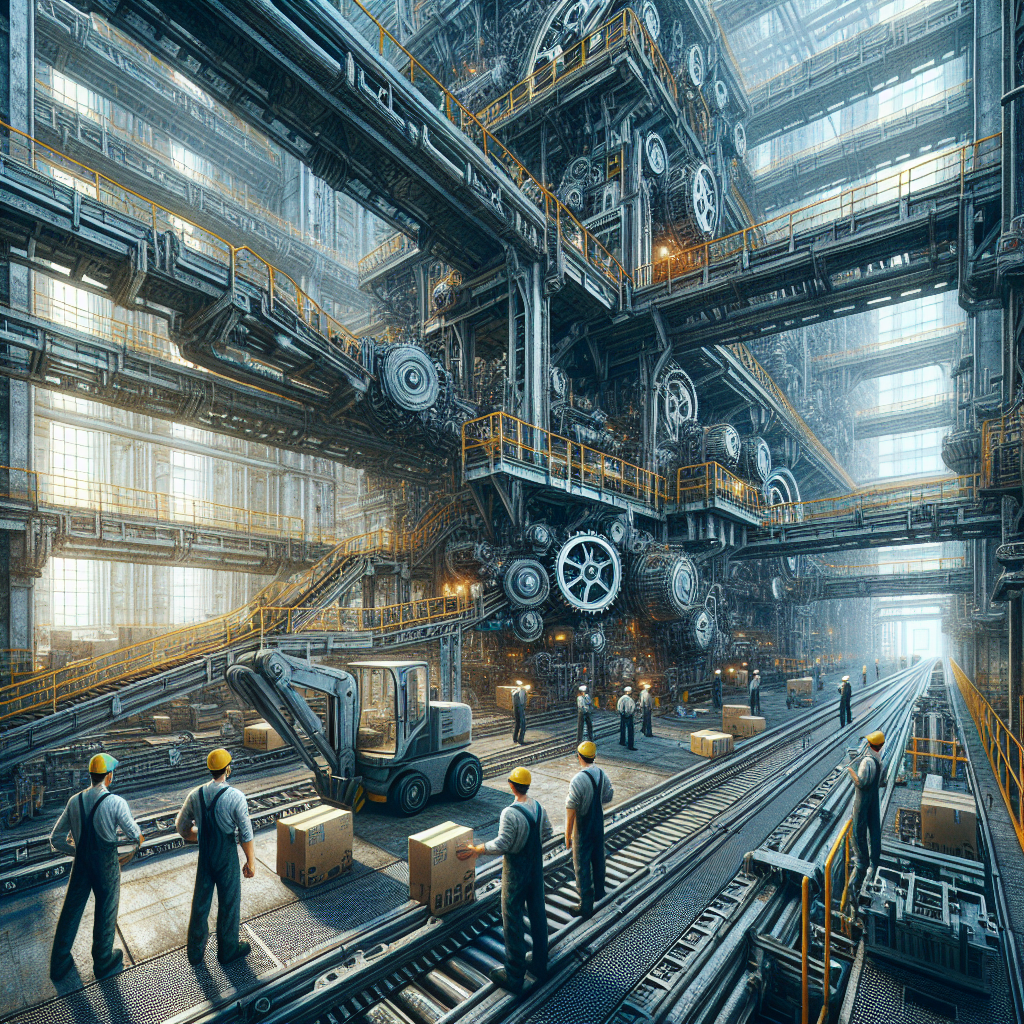
Industrial Engineering in Logistics is a critical subfield within Industrial Engineering that focuses on optimizing the flow of goods, services, and information from the point of origin to the point of consumption. This discipline is essential for ensuring efficiency, reducing costs, and improving overall productivity in various industries. The importance of Industrial Engineering in Logistics cannot be overstated, as it directly impacts the supply chain, manufacturing processes, and customer satisfaction. In this article, we will delve into the fundamentals, historical development, applications, advanced topics, challenges, and considerations associated with Industrial Engineering in Logistics.
Fundamentals
Basic Principles and Concepts
Industrial Engineering in Logistics revolves around several core principles and concepts:
- Optimization: The primary goal is to optimize resources, including time, labor, and materials, to achieve maximum efficiency.
- Systems Thinking: Viewing the logistics process as an interconnected system where changes in one part affect the whole.
- Lean Principles: Eliminating waste and non-value-added activities to streamline processes.
- Supply Chain Management: Coordinating and integrating all activities involved in sourcing, procurement, conversion, and logistics management.
- Inventory Management: Balancing inventory levels to meet demand while minimizing holding costs.
Key Terms
Understanding Industrial Engineering in Logistics requires familiarity with several key terms:
- Logistics: The detailed coordination of complex operations involving people, facilities, and supplies.
- Supply Chain: The network of organizations involved in producing, handling, and distributing a specific product.
- Just-In-Time (JIT): An inventory strategy that aligns raw-material orders from suppliers directly with production schedules.
- Six Sigma: A set of techniques and tools for process improvement aimed at reducing defects and variability.
- Warehouse Management System (WMS): Software that supports day-to-day operations in a warehouse.
Historical Development
Early Beginnings
The roots of Industrial Engineering in Logistics can be traced back to the early 20th century with the advent of mass production and the assembly line. Frederick Taylor’s principles of scientific management laid the groundwork for optimizing labor and processes, which are fundamental to logistics.
Key Milestones
- 1950s: The development of Operations Research (OR) techniques during World War II significantly impacted logistics by introducing mathematical models for optimizing supply chains.
- 1960s-1970s: The introduction of computers and information technology revolutionized logistics management, enabling more sophisticated data analysis and inventory control.
- 1980s: The rise of Just-In-Time (JIT) manufacturing in Japan emphasized the importance of efficient logistics in reducing waste and improving quality.
- 1990s: The globalization of supply chains and the advent of the internet further transformed logistics, making it more complex and interconnected.
- 2000s-Present: Advances in automation, artificial intelligence, and big data analytics continue to shape the field, offering new opportunities for optimization and innovation.
Applications
Manufacturing
In manufacturing, Industrial Engineering in Logistics plays a crucial role in ensuring that raw materials are available when needed, production schedules are met, and finished goods are delivered to customers on time. Techniques such as JIT and Lean Manufacturing are widely used to minimize inventory levels and reduce lead times.
Retail
Retail logistics involves managing the flow of goods from suppliers to retail stores or directly to consumers. Efficient logistics is essential for maintaining stock levels, reducing costs, and ensuring customer satisfaction. Technologies such as RFID and WMS are commonly used to track inventory and optimize warehouse operations.
Healthcare
In the healthcare industry, logistics is critical for managing the supply of medical equipment, pharmaceuticals, and other essential items. Efficient logistics ensures that hospitals and clinics have the necessary supplies to provide quality care to patients. Techniques such as Six Sigma are often used to improve process efficiency and reduce errors.
Case Studies
One notable example of Industrial Engineering in Logistics is the case of Toyota’s JIT manufacturing system. By closely coordinating with suppliers and using a pull-based inventory system, Toyota was able to significantly reduce waste, lower costs, and improve product quality. Another example is Amazon’s use of advanced robotics and data analytics to optimize its warehouse operations, enabling rapid order fulfillment and delivery.
Advanced Topics
Artificial Intelligence and Machine Learning
Recent advancements in artificial intelligence (AI) and machine learning (ML) are transforming logistics by enabling predictive analytics, demand forecasting, and autonomous decision-making. AI algorithms can analyze vast amounts of data to identify patterns and optimize routes, inventory levels, and supply chain operations.
Blockchain Technology
Blockchain technology offers a secure and transparent way to track the movement of goods through the supply chain. By providing a decentralized ledger of transactions, blockchain can enhance traceability, reduce fraud, and improve trust among supply chain partners.
Internet of Things (IoT)
The Internet of Things (IoT) involves connecting physical devices to the internet to collect and exchange data. In logistics, IoT devices can monitor the condition of goods in transit, track vehicle locations, and optimize warehouse operations. This real-time data can be used to improve decision-making and enhance overall efficiency.
Future Trends
The future of Industrial Engineering in Logistics is likely to be shaped by several emerging trends:
- Autonomous Vehicles: Self-driving trucks and drones have the potential to revolutionize transportation and delivery, reducing costs and improving efficiency.
- 3D Printing: On-demand manufacturing using 3D printing can reduce the need for large inventories and shorten supply chains.
- Sustainability: Increasing focus on sustainability is driving the adoption of green logistics practices, such as using electric vehicles and optimizing routes to reduce carbon emissions.
Challenges and Considerations
Complexity and Uncertainty
One of the main challenges in Industrial Engineering in Logistics is managing the complexity and uncertainty of supply chains. Factors such as demand variability, supply disruptions, and geopolitical issues can impact logistics operations. Advanced modeling and simulation techniques can help mitigate these risks.
Cost Management
Balancing cost and service levels is a constant challenge in logistics. While optimizing processes can reduce costs, it is essential to ensure that service quality is not compromised. Techniques such as Total Cost of Ownership (TCO) analysis can help identify cost-saving opportunities without sacrificing performance.
Technology Integration
The rapid pace of technological advancement presents both opportunities and challenges. Integrating new technologies into existing systems can be complex and costly. It is crucial to carefully evaluate the potential benefits and risks before implementing new solutions.
Workforce Skills
The increasing use of advanced technologies in logistics requires a skilled workforce capable of managing and maintaining these systems. Investing in training and development is essential to ensure that employees have the necessary skills to leverage new technologies effectively.
Potential Solutions
Several strategies can help address these challenges:
- Collaboration: Building strong relationships with suppliers, customers, and other stakeholders can enhance coordination and reduce uncertainty.
- Continuous Improvement: Adopting a culture of continuous improvement can help identify and address inefficiencies in logistics processes.
- Data-Driven Decision Making: Leveraging data analytics can provide valuable insights into logistics operations and support informed decision-making.
- Flexibility and Agility: Developing flexible and agile logistics systems can help organizations respond quickly to changes in demand and supply conditions.
Conclusion
Industrial Engineering in Logistics is a vital field that plays a crucial role in optimizing the flow of goods, services, and information across various industries. By applying principles of optimization, systems thinking, and lean management, industrial engineers can enhance efficiency, reduce costs, and improve overall productivity. The historical development of this field has been marked by significant milestones, from the introduction of scientific management to the advent of advanced technologies such as AI, blockchain, and IoT.
The practical applications of Industrial Engineering in Logistics are vast, spanning manufacturing, retail, healthcare, and more. Advanced topics such as AI, blockchain, and IoT are driving innovation and shaping the future of logistics. However, the field also faces challenges related to complexity, cost management, technology integration, and workforce skills. Addressing these challenges requires collaboration, continuous improvement, data-driven decision-making, and flexibility.
In conclusion, Industrial Engineering in Logistics is an essential discipline that continues to evolve and adapt to meet the changing needs of industries. Its importance in ensuring efficient and effective supply chain operations cannot be overstated, making it a critical area of focus for industrial engineers and organizations alike.