Historical Development of Industrial Engineering
Introduction
Industrial Engineering (IE) is a branch of engineering that focuses on optimizing complex processes, systems, or organizations. It involves the integration of people, materials, information, equipment, and energy to design, improve, and implement systems that produce goods and services efficiently. The historical development of Industrial Engineering is a fascinating journey that reflects the evolution of industry and technology. Understanding this history is crucial for appreciating the field’s current practices and future directions. This article delves into the historical development of Industrial Engineering, exploring its fundamentals, key milestones, applications, advanced topics, and challenges.
Fundamentals
Basic Principles and Concepts
Industrial Engineering is grounded in several core principles and concepts:
- Systems Thinking: Viewing an organization or process as a system of interconnected components.
- Optimization: Finding the most efficient and effective way to use resources.
- Process Improvement: Continuously seeking ways to enhance processes and systems.
- Human Factors: Considering the human element in the design and operation of systems.
- Quality Control: Ensuring products and services meet specified standards.
Key Terms
Some key terms in Industrial Engineering include:
- Lean Manufacturing: A methodology that focuses on minimizing waste within manufacturing systems while simultaneously maximizing productivity.
- Six Sigma: A set of techniques and tools for process improvement, aiming to reduce defects and variability.
- Ergonomics: The study of people’s efficiency in their working environment.
- Supply Chain Management: The management of the flow of goods and services from raw materials to the end customer.
Historical Development
Early Beginnings
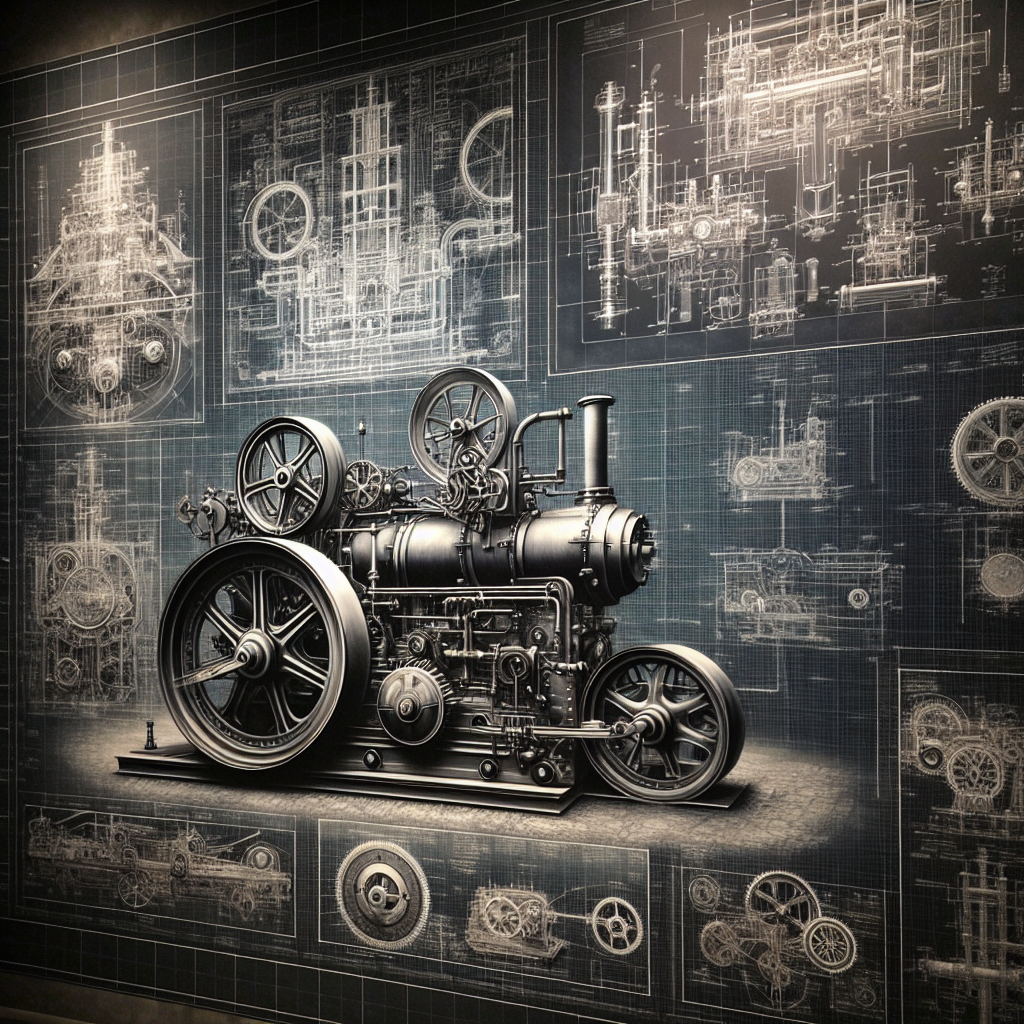
The roots of Industrial Engineering can be traced back to the Industrial Revolution in the late 18th and early 19th centuries. The advent of mechanized production and the factory system necessitated new ways of managing and optimizing production processes. Early pioneers like Adam Smith and Eli Whitney laid the groundwork with concepts such as the division of labor and interchangeable parts.
Scientific Management
One of the most significant milestones in the development of Industrial Engineering was the introduction of Scientific Management by Frederick Winslow Taylor in the early 20th century. Taylor’s principles emphasized the importance of time studies, standardization, and systematic training. His work led to significant improvements in productivity and efficiency in various industries.
Human Relations Movement
In the 1930s and 1940s, the Human Relations Movement emerged, emphasizing the importance of human factors in industrial settings. Elton Mayo’s Hawthorne Studies highlighted the impact of social and psychological factors on worker productivity. This movement led to a more holistic approach to Industrial Engineering, considering both technical and human elements.
Post-World War II Developments
After World War II, Industrial Engineering saw rapid advancements with the development of new methodologies and tools. The introduction of Operations Research, which uses mathematical models and statistical analysis to solve complex problems, significantly enhanced decision-making processes. Additionally, the rise of computer technology revolutionized data analysis and process optimization.
Modern Era
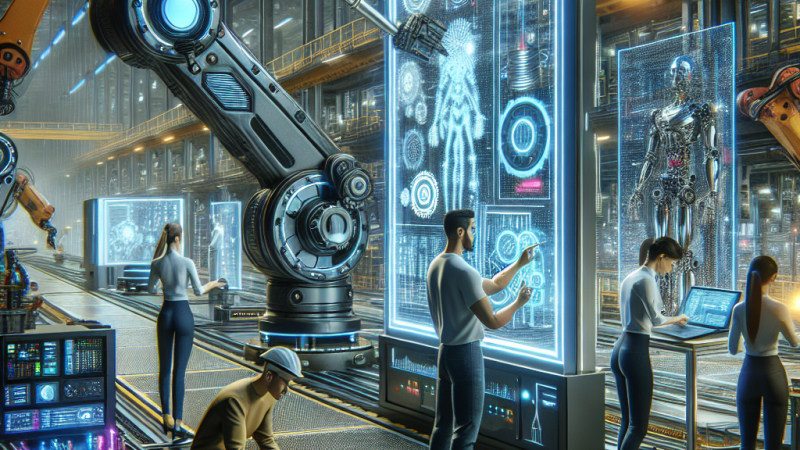
In recent decades, Industrial Engineering has continued to evolve, incorporating advanced technologies such as automation, robotics, and artificial intelligence. The focus has shifted towards sustainability, lean manufacturing, and global supply chain management. Notable figures like W. Edwards Deming and Taiichi Ohno have made significant contributions to quality management and lean principles, respectively.
Applications
Manufacturing
Industrial Engineering plays a crucial role in manufacturing, optimizing production processes to enhance efficiency and reduce costs. Techniques such as lean manufacturing and Six Sigma are widely used to minimize waste and improve quality. For example, Toyota’s implementation of the Toyota Production System (TPS) revolutionized automotive manufacturing, setting new standards for efficiency and quality.
Healthcare
In healthcare, Industrial Engineering principles are applied to improve patient care, streamline operations, and reduce costs. Techniques such as process mapping and simulation modeling help healthcare providers optimize patient flow, reduce waiting times, and enhance resource utilization. For instance, the Mayo Clinic has successfully used Industrial Engineering methods to improve patient scheduling and reduce bottlenecks.
Logistics and Supply Chain Management
Industrial Engineers are instrumental in optimizing logistics and supply chain operations. They design efficient transportation networks, manage inventory levels, and improve warehouse operations. Companies like Amazon have leveraged Industrial Engineering techniques to develop sophisticated logistics systems that ensure timely delivery and minimize costs.
Service Industries
Industrial Engineering principles are also applied in service industries such as banking, retail, and hospitality. By analyzing and improving processes, Industrial Engineers help service providers enhance customer satisfaction, reduce wait times, and increase operational efficiency. For example, banks use queue management systems to optimize teller operations and reduce customer wait times.
Advanced Topics
Industry 4.0
The advent of Industry 4.0, characterized by the integration of cyber-physical systems, the Internet of Things (IoT), and big data analytics, has brought new opportunities and challenges for Industrial Engineering. Advanced techniques such as predictive maintenance, real-time monitoring, and smart manufacturing are transforming traditional industrial practices.
Artificial Intelligence and Machine Learning
Artificial Intelligence (AI) and Machine Learning (ML) are increasingly being integrated into Industrial Engineering to enhance decision-making and process optimization. AI algorithms can analyze vast amounts of data to identify patterns and make predictions, enabling more efficient and effective operations. For example, predictive analytics can be used to forecast demand and optimize inventory levels.
Sustainability and Green Manufacturing
With growing concerns about environmental sustainability, Industrial Engineering is focusing on developing green manufacturing practices. This involves designing processes that minimize waste, reduce energy consumption, and use environmentally friendly materials. Techniques such as Life Cycle Assessment (LCA) are used to evaluate the environmental impact of products and processes.
Challenges and Considerations
Complexity of Systems
One of the primary challenges in Industrial Engineering is the complexity of modern systems. As industries become more interconnected and data-driven, managing and optimizing these systems requires advanced analytical tools and techniques. Ensuring the reliability and robustness of these systems is a critical consideration.
Human Factors
While technological advancements offer numerous benefits, they also pose challenges related to human factors. Ensuring that new technologies are user-friendly and do not negatively impact worker well-being is essential. Ergonomics and human-centered design are crucial in addressing these challenges.
Data Security and Privacy
The increasing reliance on data and digital technologies raises concerns about data security and privacy. Protecting sensitive information and ensuring compliance with regulations are critical considerations for Industrial Engineers. Implementing robust cybersecurity measures is essential to mitigate these risks.
Adapting to Change
The rapid pace of technological change requires Industrial Engineers to continuously update their skills and knowledge. Staying abreast of emerging trends and innovations is essential for remaining competitive in the field. Lifelong learning and professional development are crucial for adapting to evolving industry demands.
Conclusion
The historical development of Industrial Engineering is a testament to the field’s adaptability and innovation. From its early beginnings during the Industrial Revolution to the modern era of Industry 4.0, Industrial Engineering has continuously evolved to meet the changing needs of industries and society. By optimizing processes, improving efficiency, and integrating advanced technologies, Industrial Engineers play a vital role in driving progress and innovation across various sectors. As the field continues to advance, addressing challenges related to complexity, human factors, data security, and adaptability will be crucial for ensuring its continued relevance and impact. The importance of Industrial Engineering in shaping the future of industry and technology cannot be overstated.