High-Performance Vehicles
Introduction

High-performance vehicles represent the pinnacle of automotive engineering, embodying the fusion of cutting-edge technology, advanced materials, and innovative design. These vehicles are engineered to deliver superior speed, handling, and overall driving experience, making them a focal point of interest for both automotive enthusiasts and engineers. The importance of high-performance vehicles extends beyond mere speed; they serve as testbeds for new technologies that often trickle down to mass-market cars, enhancing safety, efficiency, and environmental sustainability. This article delves into the multifaceted world of high-performance vehicles, exploring their fundamentals, historical development, applications, advanced topics, and the challenges they present.
Fundamentals
Basic Principles and Concepts
High-performance vehicles are designed to achieve exceptional levels of performance in terms of speed, acceleration, handling, and braking. The key principles that underpin these vehicles include:
- Power-to-Weight Ratio: This is a critical metric that determines a vehicle’s performance. A higher power-to-weight ratio generally translates to better acceleration and handling.
- Aerodynamics: The study of how air flows around the vehicle. Optimizing aerodynamics reduces drag and increases downforce, improving both speed and stability.
- Suspension and Handling: Advanced suspension systems and precise handling characteristics are essential for maintaining control at high speeds.
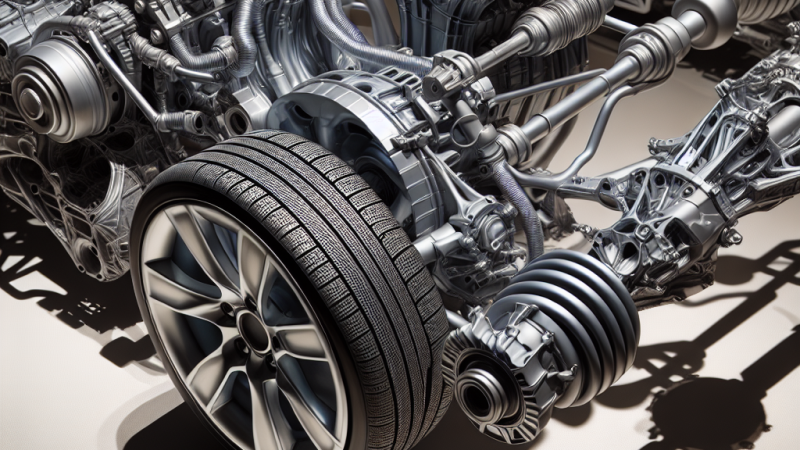
- Engine Performance: High-performance engines are designed to produce maximum power and torque, often utilizing technologies like turbocharging, supercharging, and advanced fuel injection systems.
- Materials: Lightweight and strong materials such as carbon fiber, aluminum, and titanium are commonly used to reduce weight and enhance performance.
Key Terms
- Horsepower (HP): A unit of measurement for engine power.
- Torque: A measure of rotational force produced by the engine.
- Downforce: The aerodynamic force that pushes the vehicle’s tires onto the road, increasing grip.
- Drag Coefficient (Cd): A measure of a vehicle’s aerodynamic efficiency.
- Turbocharging: A method of forced induction that increases engine power by compressing air before it enters the combustion chamber.
Historical Development
Early Innovations
The history of high-performance vehicles dates back to the early 20th century when automotive pioneers began experimenting with ways to increase speed and power. Notable figures such as Ferdinand Porsche and Ettore Bugatti made significant contributions during this period. The 1930s saw the rise of iconic models like the Bugatti Type 35 and the Mercedes-Benz W125, which set new benchmarks for speed and engineering excellence.
Post-War Era
After World War II, the automotive industry experienced a surge in innovation. The 1950s and 1960s were marked by the introduction of legendary sports cars such as the Jaguar E-Type, Ferrari 250 GTO, and the Ford GT40. These vehicles not only dominated racetracks but also captured the imagination of the public, solidifying the allure of high-performance cars.
Modern Era
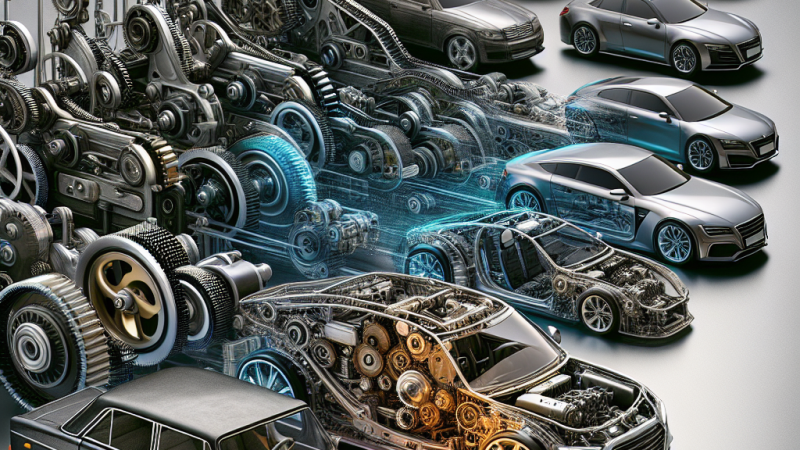
The late 20th and early 21st centuries have seen exponential advancements in automotive technology. The introduction of computer-aided design (CAD), advanced materials, and electronic control systems has revolutionized high-performance vehicle engineering. Modern icons like the Bugatti Veyron, McLaren P1, and Tesla Model S Plaid exemplify the cutting-edge technology and engineering prowess that define today’s high-performance vehicles.
Applications
Motorsport
High-performance vehicles are synonymous with motorsport. From Formula 1 to Le Mans, these vehicles are designed to push the limits of speed and endurance. Motorsport serves as a proving ground for new technologies, many of which eventually find their way into consumer vehicles. For example, advancements in aerodynamics, tire technology, and hybrid powertrains have all been driven by motorsport innovations.
Consumer Market
While high-performance vehicles are often associated with luxury and exclusivity, their influence extends to the broader consumer market. Technologies developed for high-performance cars, such as advanced safety systems, efficient powertrains, and lightweight materials, are increasingly being integrated into everyday vehicles. This trickle-down effect enhances the overall quality, safety, and efficiency of mass-market cars.
Specialized Applications
High-performance vehicles also find applications in specialized fields such as law enforcement, emergency services, and military operations. For instance, police departments around the world use high-performance vehicles for pursuits and rapid response, while military forces employ them for reconnaissance and special operations.
Advanced Topics
Hybrid and Electric Powertrains
The advent of hybrid and electric powertrains has revolutionized the high-performance vehicle landscape. Vehicles like the Porsche 918 Spyder and the Rimac C_Two demonstrate that electric and hybrid systems can deliver unparalleled performance while also addressing environmental concerns. These powertrains offer instant torque, improved efficiency, and the potential for regenerative braking, making them a focal point of current research and development.
Autonomous Driving
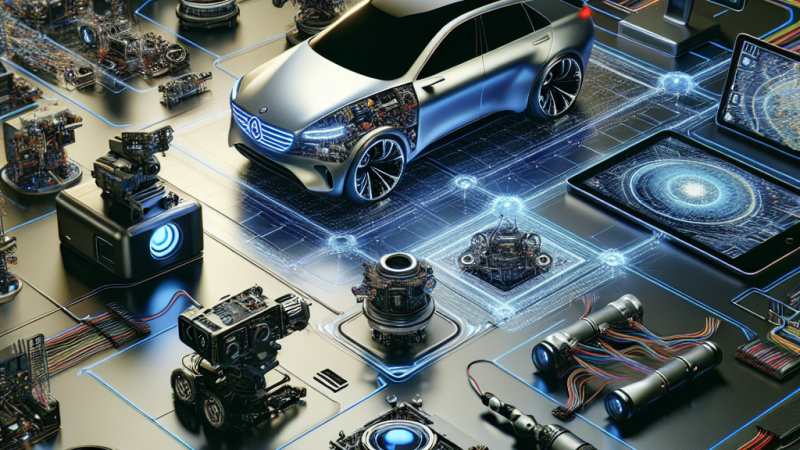
Autonomous driving technology is another frontier in high-performance vehicle engineering. Companies like Tesla and Waymo are pioneering self-driving systems that promise to enhance safety and convenience. While fully autonomous high-performance vehicles are still in development, the integration of advanced driver-assistance systems (ADAS) is already improving the driving experience.
Advanced Materials
The use of advanced materials such as carbon fiber composites, titanium alloys, and graphene is pushing the boundaries of what high-performance vehicles can achieve. These materials offer superior strength-to-weight ratios, enhancing both performance and safety. Ongoing research aims to develop even more advanced materials that could further revolutionize vehicle design.
Challenges and Considerations
Cost
One of the primary challenges associated with high-performance vehicles is their cost. The advanced technologies and materials used in these vehicles make them expensive to produce and purchase. This limits their accessibility to a broader audience.
Environmental Impact
High-performance vehicles have traditionally been associated with high fuel consumption and emissions. While advancements in hybrid and electric powertrains are addressing these issues, there is still a need for further research to make these vehicles more environmentally friendly.
Safety
The high speeds and advanced technologies in high-performance vehicles pose unique safety challenges. Ensuring that these vehicles are safe for both drivers and passengers requires rigorous testing and the development of advanced safety systems.
Regulatory Hurdles
High-performance vehicles often face stringent regulatory requirements, particularly concerning emissions and safety standards. Navigating these regulations can be complex and costly for manufacturers.
Conclusion
High-performance vehicles represent the zenith of automotive engineering, combining speed, power, and advanced technology to deliver an unparalleled driving experience. From their historical roots to their modern-day applications, these vehicles continue to captivate and inspire. While they face challenges related to cost, environmental impact, and safety, ongoing research and innovation promise to address these issues. As the automotive industry evolves, high-performance vehicles will undoubtedly remain at the forefront, driving advancements that benefit the entire spectrum of automotive engineering.