Heat Transfer in Electronics Cooling
Introduction
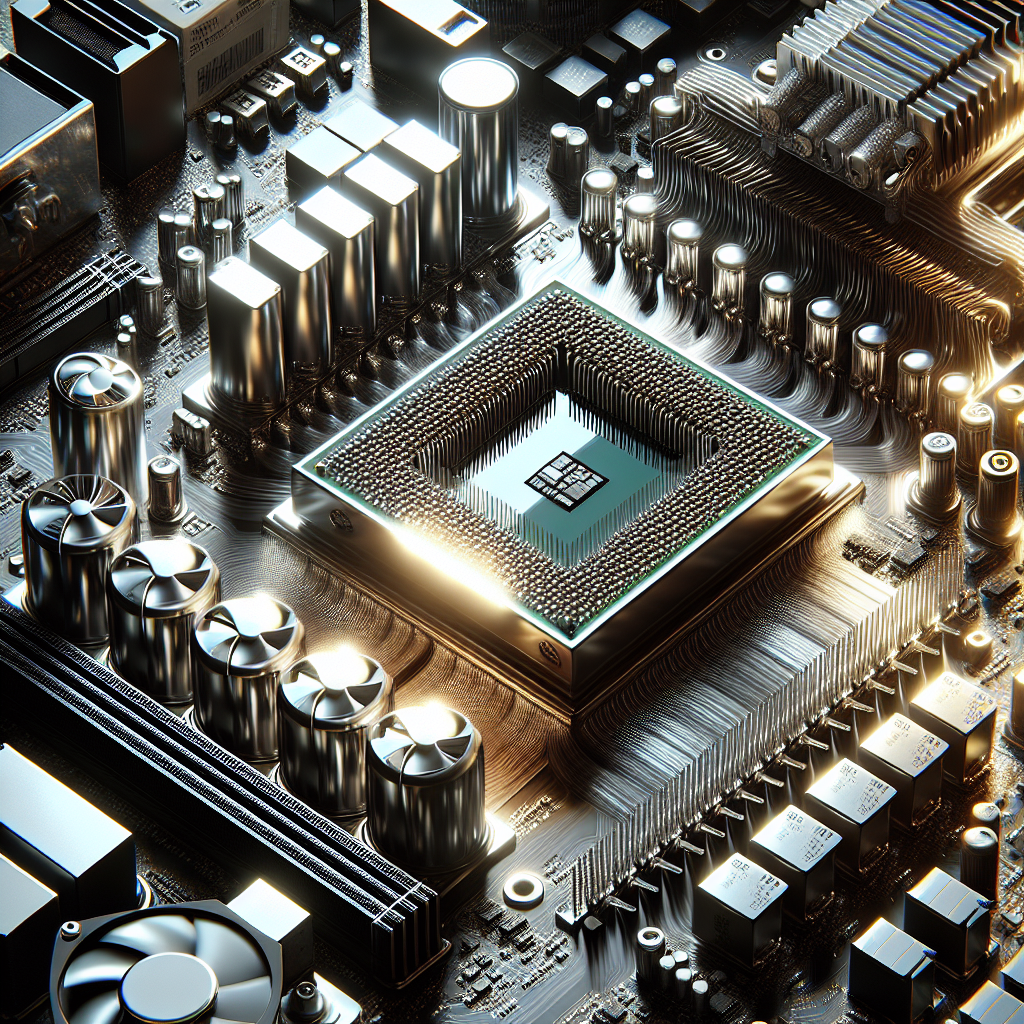
In the realm of engineering, the efficient management of heat is crucial for the optimal performance and longevity of electronic devices. As electronic components become increasingly powerful and compact, the challenge of dissipating the heat they generate becomes more significant. This is where the field of heat transfer in electronics cooling comes into play. Understanding and effectively managing heat transfer is essential for preventing overheating, ensuring reliability, and enhancing the performance of electronic systems. This article delves into the principles, historical development, applications, advanced topics, and challenges associated with heat transfer in electronics cooling.
Fundamentals
Basic Principles and Concepts
Heat transfer in electronics cooling involves the movement of thermal energy from electronic components to their surroundings. The three primary modes of heat transfer are:
- Conduction: The transfer of heat through a solid material. In electronics, this typically occurs through the device’s packaging and heat sinks.
- Convection: The transfer of heat through a fluid (liquid or gas). This can be natural convection, driven by buoyancy forces, or forced convection, driven by fans or pumps.
- Radiation: The transfer of heat in the form of electromagnetic waves. While less significant in most electronics cooling scenarios, it can still play a role, especially in high-temperature environments.
Key Terms
- Thermal Conductivity: A material’s ability to conduct heat.
- Heat Sink: A device that absorbs and dissipates heat from electronic components.
- Thermal Resistance: A measure of a material’s resistance to heat flow.
- Junction Temperature: The temperature at the point where an electronic component connects to its package.
Historical Development
The study of heat transfer in electronics cooling has evolved significantly over the years. Early electronic devices, such as vacuum tubes, generated substantial amounts of heat, necessitating the development of basic cooling techniques. The advent of transistors and integrated circuits in the mid-20th century marked a significant milestone, as these components required more sophisticated cooling solutions.
Notable figures in the field include:
- Gordon Moore: Co-founder of Intel, whose observation (Moore’s Law) highlighted the exponential growth of transistor density, indirectly emphasizing the need for advanced cooling techniques.
- David B. Tuckerman: Known for pioneering work in microchannel heat sinks, which significantly improved heat dissipation in microelectronics.
Over the decades, advancements in materials science, computational fluid dynamics (CFD), and nanotechnology have further propelled the field, leading to more efficient and compact cooling solutions.
Applications
Heat transfer in electronics cooling finds applications across various industries and fields. Some notable examples include:
Consumer Electronics
Smartphones, laptops, and gaming consoles generate significant heat due to their high processing power. Efficient cooling solutions, such as heat pipes and vapor chambers, are essential to maintain performance and prevent overheating.
Data Centers
Data centers house thousands of servers that generate substantial heat. Advanced cooling techniques, including liquid cooling and immersion cooling, are employed to manage the thermal load and ensure reliable operation.
Automotive Electronics
Modern vehicles are equipped with numerous electronic systems, from infotainment to advanced driver-assistance systems (ADAS). Effective thermal management is crucial to ensure the reliability and safety of these systems.
Aerospace and Defense
Electronic systems in aerospace and defense applications must operate under extreme conditions. Advanced cooling solutions, such as phase-change materials and thermoelectric coolers, are used to maintain optimal performance.
Advanced Topics
Microchannel Heat Sinks
Microchannel heat sinks consist of numerous small channels that enhance heat transfer by increasing the surface area in contact with the coolant. This technology is particularly effective for high-power-density applications, such as microprocessors and power electronics.
Two-Phase Cooling
Two-phase cooling involves the use of a coolant that undergoes a phase change (e.g., from liquid to vapor) to absorb and dissipate heat. This technique offers high heat transfer coefficients and is used in applications requiring efficient thermal management.
Nanofluids
Nanofluids are engineered colloidal suspensions of nanoparticles in a base fluid. These fluids exhibit enhanced thermal properties, making them promising candidates for advanced cooling applications. Research is ongoing to optimize their performance and stability.
Recent Innovations and Future Trends
Recent research in the field of electronics cooling has focused on developing more efficient and compact cooling solutions. Innovations such as hybrid cooling systems, which combine air and liquid cooling, and the use of advanced materials like graphene, are being explored. Future trends include the integration of artificial intelligence (AI) for real-time thermal management and the development of self-healing materials that can repair thermal damage.
Challenges and Considerations
Despite significant advancements, several challenges and considerations remain in the field of heat transfer in electronics cooling:
Thermal Interface Materials (TIMs)
Ensuring efficient heat transfer between electronic components and heat sinks requires high-performance TIMs. Developing materials with low thermal resistance and long-term stability is an ongoing challenge.
Miniaturization
As electronic devices become smaller and more powerful, the challenge of dissipating heat in confined spaces intensifies. Innovative cooling solutions that can handle high heat fluxes in compact form factors are needed.
Reliability and Durability
Cooling solutions must be reliable and durable to ensure the long-term performance of electronic systems. This includes addressing issues such as corrosion, material degradation, and mechanical stress.
Environmental Impact
The environmental impact of cooling solutions, including energy consumption and the use of environmentally friendly materials, is an important consideration. Developing sustainable cooling technologies is a key area for future research.
Conclusion
Heat transfer in electronics cooling is a critical aspect of thermodynamics in engineering, with far-reaching implications for the performance, reliability, and longevity of electronic systems. From the basic principles of conduction, convection, and radiation to advanced topics like microchannel heat sinks and nanofluids, the field has seen significant advancements over the years. Despite the challenges, ongoing research and innovation continue to drive the development of more efficient and sustainable cooling solutions. As electronic devices become increasingly integral to our daily lives, the importance of effective thermal management cannot be overstated. By addressing the challenges and exploring new frontiers, engineers can ensure that electronic systems operate at their best, paving the way for future technological advancements.