Energy Conversion Systems
Introduction
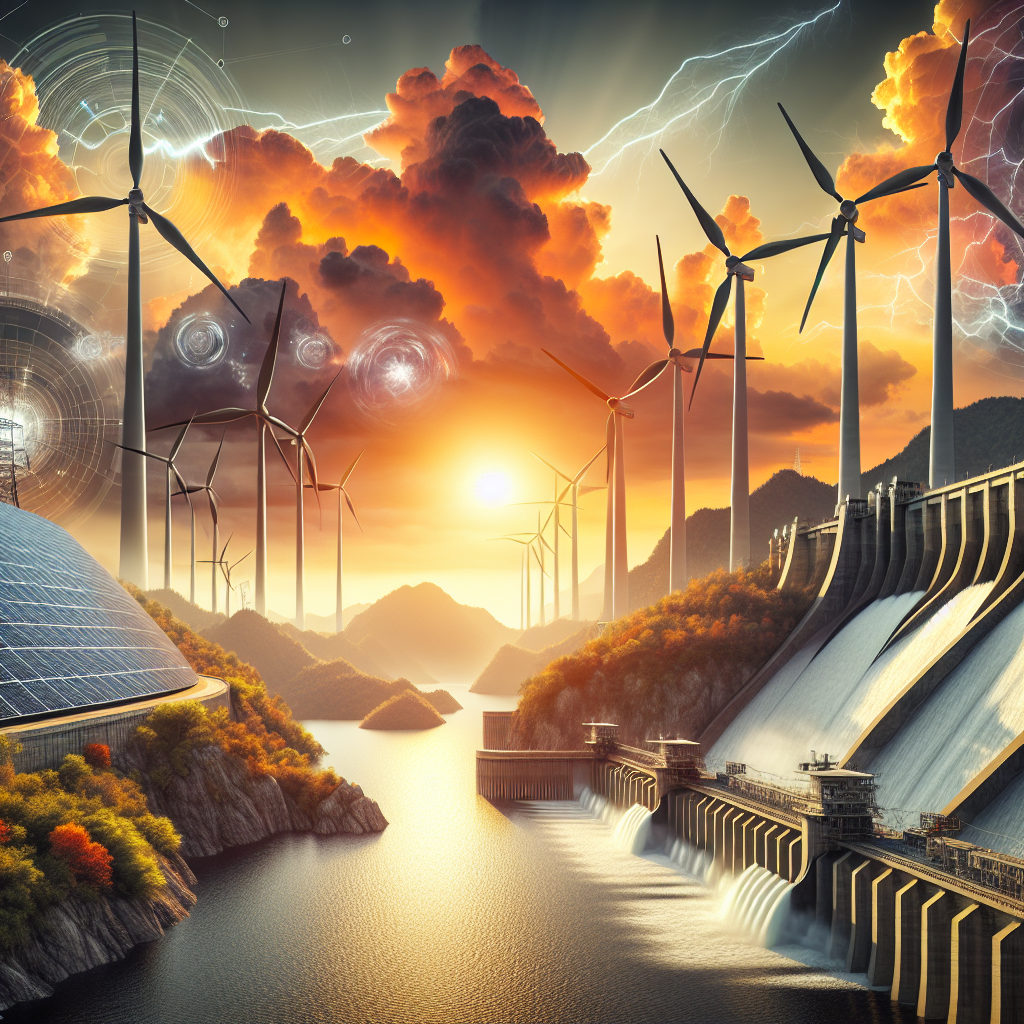
Energy conversion systems are a cornerstone of modern engineering, playing a pivotal role in transforming energy from one form to another to meet the demands of various applications. These systems are integral to numerous industries, including power generation, transportation, manufacturing, and more. Understanding the principles and mechanisms behind energy conversion is essential for engineers to design efficient, sustainable, and innovative solutions. This article delves into the fundamentals, historical development, applications, advanced topics, and challenges associated with energy conversion systems in the field of thermodynamics in engineering.
Fundamentals
Basic Principles and Concepts
Energy conversion systems operate on the fundamental principles of thermodynamics, which is the study of energy, heat, and work. The key concepts include:
- Energy: The capacity to do work. It exists in various forms, such as kinetic, potential, thermal, chemical, and electrical energy.
- First Law of Thermodynamics: Also known as the Law of Energy Conservation, it states that energy cannot be created or destroyed, only converted from one form to another.
- Second Law of Thermodynamics: This law introduces the concept of entropy, stating that energy conversions are never 100% efficient, and some energy is always lost as heat.
- Heat Engines: Devices that convert thermal energy into mechanical work, such as internal combustion engines and steam turbines.
- Refrigeration Cycles: Systems that transfer heat from a cooler space to a warmer space, such as refrigerators and air conditioners.
Key Terms
- Entropy: A measure of the disorder or randomness in a system.
- Enthalpy: The total heat content of a system.
- Exergy: The maximum useful work possible during a process that brings the system into equilibrium with a heat reservoir.
- Thermal Efficiency: The ratio of work output to heat input in a heat engine.
Historical Development
The development of energy conversion systems has a rich history, marked by significant milestones and contributions from notable figures:
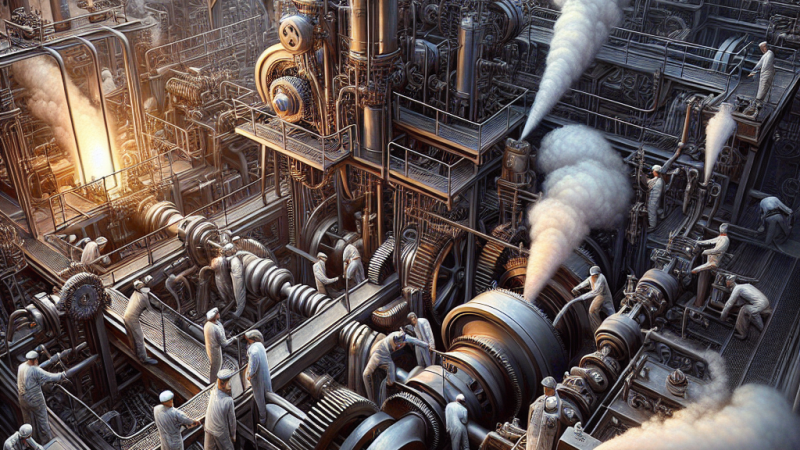
- 18th Century: The Industrial Revolution saw the advent of the steam engine, pioneered by James Watt. This invention revolutionized transportation and manufacturing.
- 19th Century: The development of thermodynamic theories by scientists such as Sadi Carnot, Rudolf Clausius, and William Thomson (Lord Kelvin) laid the groundwork for modern energy conversion systems.
- 20th Century: The invention of the internal combustion engine by Nikolaus Otto and Rudolf Diesel transformed the automotive industry. The development of gas turbines and nuclear power further expanded the scope of energy conversion.
- 21st Century: Advances in renewable energy technologies, such as solar panels and wind turbines, have become crucial in addressing global energy challenges and sustainability goals.
Applications
Energy conversion systems have a wide range of practical applications across various industries:
Power Generation
Power plants convert various forms of energy into electrical energy. Examples include:
- Thermal Power Plants: Use fossil fuels (coal, natural gas) or nuclear reactions to generate steam, which drives turbines connected to generators.
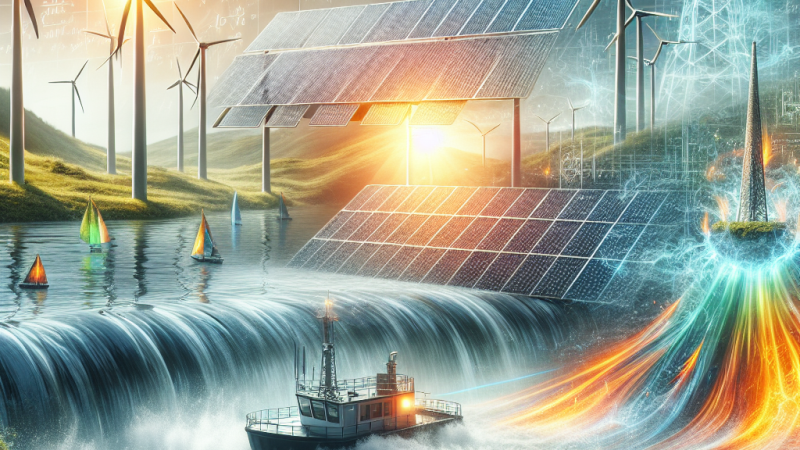
- Renewable Energy Plants: Utilize solar, wind, hydro, and geothermal energy to produce electricity with minimal environmental impact.
Transportation
Energy conversion systems are essential in the transportation sector:
- Internal Combustion Engines: Power cars, trucks, and motorcycles by converting chemical energy in fuel into mechanical work.
- Electric Vehicles (EVs): Use batteries to store electrical energy, which is then converted into mechanical work by electric motors.
- Aircraft Engines: Jet engines convert chemical energy in aviation fuel into thrust for flight.
Manufacturing and Industrial Processes
Energy conversion systems are critical in manufacturing and industrial processes:
- Heat Exchangers: Transfer heat between fluids in processes such as chemical production and oil refining.
- Combined Heat and Power (CHP) Systems: Generate electricity and useful heat simultaneously, improving overall efficiency.
Case Studies
Several case studies highlight the impact of energy conversion systems:
- Solar Power Plants: The Ivanpah Solar Electric Generating System in California uses mirrors to focus sunlight on boilers, producing steam to drive turbines.
- Wind Farms: The Gansu Wind Farm in China is one of the largest wind farms globally, converting kinetic energy from wind into electrical energy.
Advanced Topics
Recent Research and Innovations
Recent advancements in energy conversion systems include:
- Supercritical CO2 Cycles: These cycles use supercritical carbon dioxide as a working fluid, offering higher efficiency and lower emissions compared to traditional steam cycles.
- Solid-State Batteries: Promising higher energy density and safety for electric vehicles and portable electronics.
- Thermoelectric Generators: Convert waste heat directly into electrical energy, improving overall system efficiency.
Future Trends
Future trends in energy conversion systems focus on sustainability and efficiency:
- Integration of Renewable Energy: Developing hybrid systems that combine multiple renewable sources to ensure a stable and reliable energy supply.
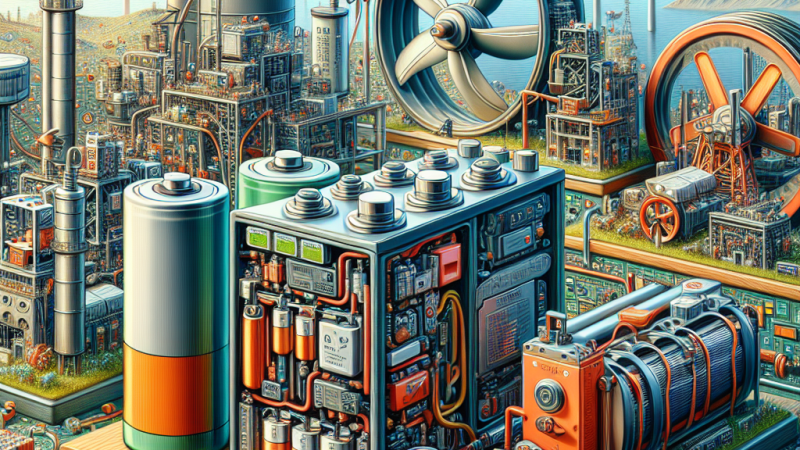
- Energy Storage Solutions: Advancements in battery technology and other storage methods to address the intermittent nature of renewable energy.
- Smart Grids: Implementing intelligent systems to optimize energy distribution and consumption.
Challenges and Considerations
Despite the advancements, energy conversion systems face several challenges:
Efficiency and Losses
Energy conversions are inherently inefficient due to the second law of thermodynamics. Minimizing energy losses and improving efficiency remain ongoing challenges.
Environmental Impact
Fossil fuel-based energy conversion systems contribute to greenhouse gas emissions and environmental degradation. Transitioning to cleaner energy sources is crucial.
Economic Viability
The initial cost of implementing advanced energy conversion systems, such as renewable energy technologies, can be high. Ensuring economic viability and affordability is essential for widespread adoption.
Potential Solutions
Addressing these challenges requires a multifaceted approach:
- Research and Development: Investing in R&D to develop more efficient and sustainable energy conversion technologies.
- Policy and Regulation: Implementing policies that promote clean energy and provide incentives for adopting advanced energy conversion systems.
- Public Awareness: Educating the public and industries about the benefits of sustainable energy practices.
Conclusion
Energy conversion systems are fundamental to modern engineering, enabling the transformation of energy to meet the diverse needs of society. From historical developments to cutting-edge innovations, these systems have evolved significantly, offering numerous applications across various industries. While challenges such as efficiency, environmental impact, and economic viability persist, ongoing research and development hold promise for more sustainable and efficient energy conversion solutions. As the world continues to prioritize sustainability, the importance of energy conversion systems in the field of thermodynamics in engineering cannot be overstated.