Heat Exchangers: Types and Design Principles
Introduction

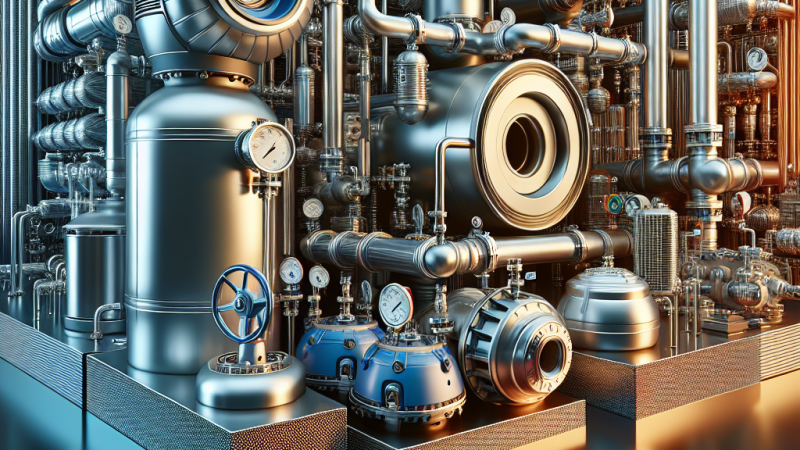
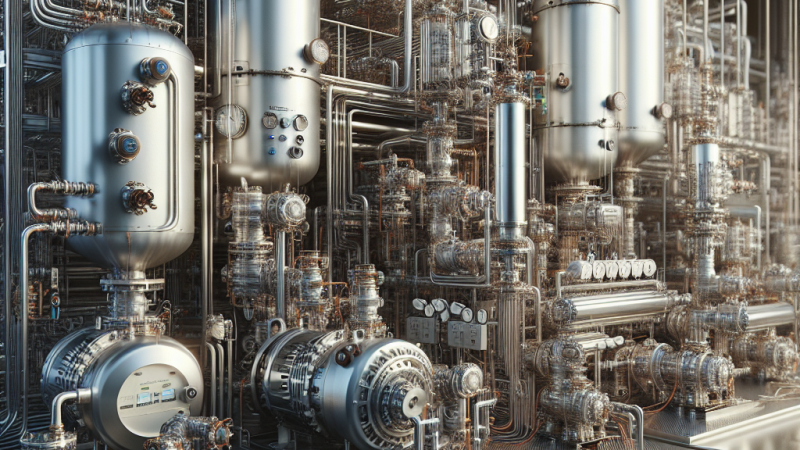
Heat exchangers are critical components in a wide range of engineering applications, from power generation and chemical processing to HVAC systems and automotive engineering. These devices facilitate the transfer of heat between two or more fluids, which can be either liquids or gases, without mixing them. The efficient design and operation of heat exchangers are essential for optimizing energy use, improving process efficiency, and reducing operational costs. This article delves into the various types of heat exchangers, their design principles, historical development, applications, advanced topics, and the challenges associated with their use.
Fundamentals
Basic Principles and Concepts
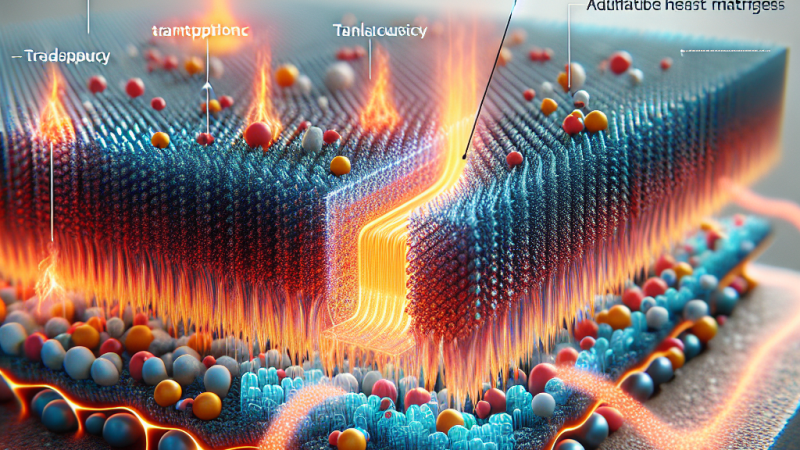
At its core, a heat exchanger operates on the principle of heat transfer, which can occur through conduction, convection, or radiation. In most engineering applications, conduction and convection are the primary modes of heat transfer. The fundamental equation governing heat transfer in a heat exchanger is:
Q = U * A * ΔT
where:
- Q is the rate of heat transfer (W).
- U is the overall heat transfer coefficient (W/m²·K).
- A is the heat transfer area (m²).
- ΔT is the temperature difference between the fluids (K).
Key terms in the context of heat exchangers include:
- Heat Transfer Coefficient: A measure of the heat transfer capability of a material or system.
- Log Mean Temperature Difference (LMTD): A method to determine the temperature driving force for heat exchange in flow systems.
- Effectiveness-NTU Method: A technique used to analyze the performance of heat exchangers.
Historical Development
The concept of heat exchange has been around for centuries, but significant advancements have been made over the last two centuries. Early heat exchangers were rudimentary, often involving simple metal plates or pipes. The industrial revolution spurred the development of more sophisticated designs to meet the growing demands of various industries.
Notable milestones include:
- 1822: Jean Charles Athanase Peltier discovered the Peltier effect, which laid the groundwork for thermoelectric cooling.
- 1923: Richard S. Reynolds developed the first shell-and-tube heat exchanger, which remains one of the most widely used designs today.
- 1960s: The advent of computer-aided design (CAD) revolutionized the design and optimization of heat exchangers.
- 2000s: Advances in materials science led to the development of more efficient and durable heat exchanger materials, such as advanced alloys and composites.
Applications
Heat exchangers are ubiquitous in modern engineering and find applications across various industries:
Power Generation
In power plants, heat exchangers are used to transfer heat from the combustion of fuels to water, generating steam that drives turbines. Examples include:
- Nuclear Power Plants: Use heat exchangers to transfer heat from the nuclear reactor to the steam generator.
- Fossil Fuel Power Plants: Employ economizers and superheaters to improve efficiency.
Chemical Processing
In the chemical industry, heat exchangers are essential for controlling reaction temperatures, distillation, and other processes. Examples include:
- Petrochemical Plants: Use heat exchangers for crude oil distillation and refining.
- Pharmaceutical Industry: Employ heat exchangers for precise temperature control in chemical reactions.
HVAC Systems
Heating, ventilation, and air conditioning (HVAC) systems use heat exchangers to regulate indoor temperatures. Examples include:
- Air Conditioners: Use evaporators and condensers to transfer heat between indoor and outdoor environments.
- Heat Pumps: Transfer heat from the ground or air to provide heating or cooling.
Automotive Engineering
In the automotive industry, heat exchangers are used to manage engine temperatures and improve fuel efficiency. Examples include:
- Radiators: Transfer heat from the engine coolant to the air.
- Intercoolers: Cool the air compressed by turbochargers to increase engine efficiency.
Advanced Topics
Compact Heat Exchangers
Compact heat exchangers, such as plate-fin and microchannel heat exchangers, offer high heat transfer efficiency in a smaller footprint. These are increasingly used in applications where space and weight are critical factors, such as in aerospace and automotive industries.
Heat Exchanger Network (HEN) Optimization
HEN optimization involves the systematic design and arrangement of multiple heat exchangers to maximize energy recovery and minimize operational costs. Techniques such as pinch analysis are used to identify the most efficient configurations.
Advanced Materials
Recent advancements in materials science have led to the development of heat exchangers made from advanced alloys, ceramics, and composites. These materials offer superior thermal conductivity, corrosion resistance, and mechanical strength.
Nanofluids
Nanofluids, which are fluids containing nanoparticles, have shown promise in enhancing heat transfer rates. Research is ongoing to understand their behavior and potential applications in heat exchangers.
Challenges and Considerations
Despite their widespread use, heat exchangers face several challenges and limitations:
Fouling
Fouling, the accumulation of unwanted materials on heat transfer surfaces, can significantly reduce efficiency. Regular maintenance and the use of anti-fouling coatings are essential to mitigate this issue.
Corrosion
Corrosion can degrade heat exchanger materials, leading to leaks and failures. The selection of corrosion-resistant materials and proper maintenance are crucial for longevity.
Pressure Drop
Excessive pressure drop can reduce the efficiency of fluid flow through the heat exchanger. Optimizing the design to balance heat transfer and pressure drop is a key consideration.
Cost
The initial cost of heat exchangers can be high, especially for advanced designs and materials. However, the long-term benefits in terms of energy savings and efficiency often justify the investment.
Conclusion
Heat exchangers are indispensable in the field of heat transfer in engineering, playing a vital role in various industries, from power generation and chemical processing to HVAC systems and automotive engineering. Understanding the types, design principles, and applications of heat exchangers is essential for optimizing their performance and addressing the challenges associated with their use. As technology advances, innovations such as compact heat exchangers, advanced materials, and nanofluids promise to further enhance the efficiency and effectiveness of these critical devices. Continued research and development in this field will undoubtedly lead to even more efficient and sustainable solutions, underscoring the importance of heat exchangers in modern engineering.