Forms of Energy and Conversion Methods
Introduction

Energy is a fundamental concept in engineering, underpinning virtually every aspect of modern technology and industry. The study of energy systems involves understanding the various forms of energy, their conversion methods, and their applications. This knowledge is crucial for developing efficient, sustainable, and innovative solutions to meet the world’s growing energy demands. In this article, we will explore the different forms of energy, the methods used to convert one form of energy to another, and their significance in the field of engineering.
Fundamentals
Basic Principles and Concepts
Energy is defined as the capacity to do work. It exists in various forms, including mechanical, thermal, chemical, electrical, and nuclear energy. The law of conservation of energy states that energy cannot be created or destroyed, only converted from one form to another. This principle is fundamental to understanding energy systems and their efficiency.
Key Terms
- Mechanical Energy: The sum of potential and kinetic energy in a system.
- Thermal Energy: The internal energy of a system due to its temperature.
- Chemical Energy: Energy stored in the bonds of chemical compounds.
- Electrical Energy: Energy caused by the movement of electrons.
- Nuclear Energy: Energy released during nuclear reactions, such as fission or fusion.
- Energy Conversion: The process of changing energy from one form to another.
Historical Development
The study of energy and its conversion methods has a rich history, marked by significant milestones and contributions from notable figures.
Early Discoveries
In the 17th century, scientists like Galileo and Newton laid the groundwork for classical mechanics, which is essential for understanding mechanical energy. The concept of energy itself was formalized in the 19th century by scientists such as James Prescott Joule, who demonstrated the mechanical equivalent of heat, and Hermann von Helmholtz, who formulated the conservation of energy principle.
Industrial Revolution
The Industrial Revolution saw the development of steam engines, which converted thermal energy into mechanical work. This period also witnessed advancements in electrical energy, with pioneers like Michael Faraday and Thomas Edison making significant contributions to the generation and distribution of electricity.
20th Century and Beyond
The 20th century brought about the development of nuclear energy, with key figures like Enrico Fermi and Albert Einstein contributing to our understanding of nuclear reactions. The latter half of the century saw a growing interest in renewable energy sources, such as solar and wind power, driven by concerns over fossil fuel depletion and environmental impact.
Applications
Energy conversion methods have a wide range of applications across various industries and fields.
Power Generation
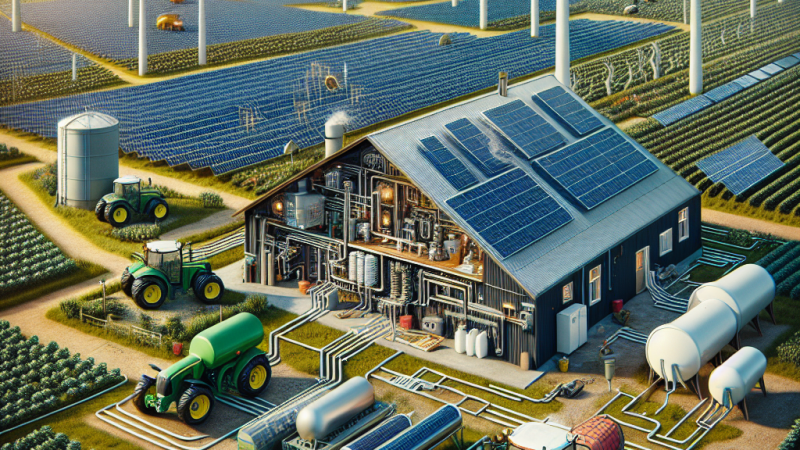
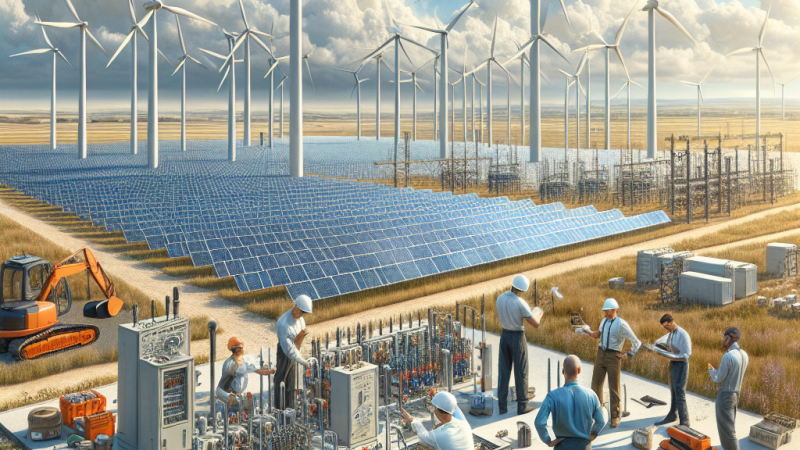
One of the most significant applications of energy conversion is in power generation. Thermal power plants convert chemical energy from fossil fuels into electrical energy. Nuclear power plants use nuclear reactions to generate electricity. Renewable energy sources, such as solar panels and wind turbines, convert solar and wind energy into electrical power.
Transportation
The transportation sector relies heavily on energy conversion. Internal combustion engines convert chemical energy from fuel into mechanical work to power vehicles. Electric vehicles use batteries to store electrical energy, which is then converted into mechanical energy by electric motors.
Industrial Processes
Many industrial processes require energy conversion. For example, in the chemical industry, energy is needed to drive reactions that produce various chemicals. In manufacturing, mechanical energy is used to operate machinery and equipment.
Case Studies
- Solar Power Plants: Solar power plants convert sunlight into electricity using photovoltaic cells. A notable example is the Ivanpah Solar Electric Generating System in California, which uses mirrors to focus sunlight onto boilers, generating steam to drive turbines.
- Wind Farms: Wind farms, such as the Gansu Wind Farm in China, convert kinetic energy from wind into electrical energy using wind turbines.
- Electric Vehicles: Companies like Tesla have revolutionized the automotive industry by developing electric vehicles that use advanced battery technology to store and convert electrical energy into mechanical work.
Advanced Topics
Recent research and innovations have led to the development of advanced concepts and techniques in energy conversion.
Energy Storage
Energy storage is a critical area of research, particularly for renewable energy sources. Technologies such as lithium-ion batteries, supercapacitors, and flywheels are being developed to store energy efficiently and release it when needed.
Smart Grids
Smart grids use advanced communication and control technologies to optimize the generation, distribution, and consumption of electricity. They enable better integration of renewable energy sources and improve the reliability and efficiency of power systems.
Hydrogen Economy
The hydrogen economy envisions using hydrogen as a clean energy carrier. Hydrogen can be produced from water using electrolysis, stored, and then converted back into electricity using fuel cells. This approach has the potential to reduce greenhouse gas emissions and dependence on fossil fuels.
Recent Innovations
- Perovskite Solar Cells: These are a new type of solar cell that offers higher efficiency and lower production costs compared to traditional silicon-based cells.
- Solid-State Batteries: Solid-state batteries promise higher energy density, faster charging times, and improved safety compared to conventional lithium-ion batteries.
- Artificial Photosynthesis: Researchers are developing systems that mimic natural photosynthesis to convert sunlight, water, and carbon dioxide into fuels and chemicals.
Challenges and Considerations
Despite the advancements in energy conversion methods, several challenges and considerations remain.
Efficiency
One of the primary challenges is improving the efficiency of energy conversion processes. Inefficiencies result in energy losses, which can be costly and environmentally damaging. Research is ongoing to develop more efficient technologies and materials.
Environmental Impact
Many energy conversion methods have significant environmental impacts. For example, burning fossil fuels releases greenhouse gases, contributing to climate change. Nuclear power generates radioactive waste, which requires safe disposal. Renewable energy sources, while cleaner, can also have environmental impacts, such as habitat disruption from wind farms.
Cost
The cost of developing and implementing new energy conversion technologies can be high. This includes the cost of research and development, manufacturing, and infrastructure. Finding ways to reduce costs and make these technologies more accessible is a key area of focus.
Grid Integration
Integrating renewable energy sources into existing power grids presents technical challenges. Renewable energy is often intermittent and variable, requiring advanced grid management and storage solutions to ensure a stable and reliable power supply.
Potential Solutions
- Research and Development: Continued investment in research and development is essential to overcome technical challenges and improve the efficiency and cost-effectiveness of energy conversion technologies.
- Policy and Regulation: Governments can play a crucial role by implementing policies and regulations that support the development and adoption of clean energy technologies.
- Public Awareness: Raising public awareness about the importance of energy efficiency and sustainability can drive demand for cleaner energy solutions and encourage responsible energy consumption.
Conclusion
Understanding the various forms of energy and their conversion methods is crucial for developing efficient, sustainable, and innovative solutions in the field of engineering. From historical milestones to recent advancements, the study of energy systems continues to evolve, driven by the need to meet growing energy demands while minimizing environmental impact. Despite the challenges, ongoing research and development, supportive policies, and increased public awareness offer promising pathways to a more sustainable energy future. The importance of this topic in the field of Energy Systems in Engineering cannot be overstated, as it holds the key to addressing some of the most pressing issues of our time.