Engineering Design in IoT Devices
Introduction
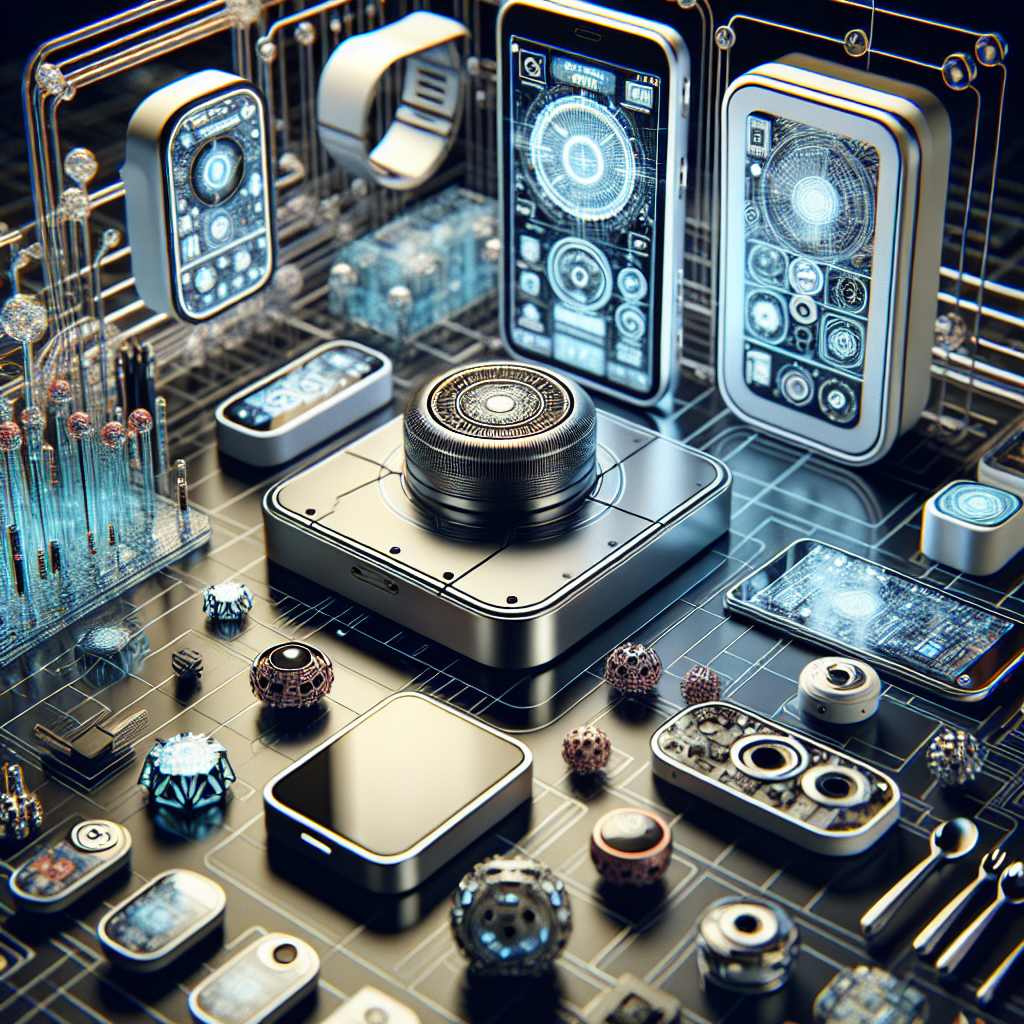
The Internet of Things (IoT) has revolutionized the way we interact with technology, enabling a network of interconnected devices that communicate and share data seamlessly. Engineering design in IoT devices is a critical aspect of this technological evolution, encompassing the creation, development, and optimization of devices that form the backbone of IoT ecosystems. This article delves into the importance and relevance of engineering design in IoT devices, exploring its fundamentals, historical development, applications, advanced topics, challenges, and considerations.
Fundamentals
Basic Principles and Concepts
Engineering design in IoT devices involves the application of engineering principles to create devices that can sense, process, and communicate data. The fundamental concepts include:
- Embedded Systems: These are specialized computing systems that perform dedicated functions within larger systems. They are integral to IoT devices, providing the necessary computational power and control.
- Sensors and Actuators: Sensors collect data from the environment, while actuators perform actions based on processed data. Together, they enable IoT devices to interact with their surroundings.
- Connectivity: IoT devices rely on various communication protocols (e.g., Wi-Fi, Bluetooth, Zigbee) to transmit data to other devices or central systems.
- Data Processing: This involves the analysis and interpretation of data collected by sensors, often using edge computing or cloud computing techniques.
- Power Management: Efficient power usage is crucial for IoT devices, especially those that are battery-operated or deployed in remote locations.
Key Terms
- IoT Ecosystem: The network of interconnected devices, systems, and services that work together to collect, process, and share data.
- Edge Computing: Processing data near the source of data generation to reduce latency and bandwidth usage.
- Cloud Computing: Using remote servers hosted on the internet to store, manage, and process data.
- Interoperability: The ability of different IoT devices and systems to work together seamlessly.
Historical Development
The concept of interconnected devices dates back to the early 1980s when the term “Internet of Things” was first coined by Kevin Ashton in 1999. However, the development of IoT devices has been a gradual process, marked by several key milestones:
- 1980s: The advent of embedded systems and the development of the first networked devices.
- 1990s: The rise of the internet and the introduction of RFID (Radio Frequency Identification) technology, which laid the groundwork for IoT.
- 2000s: The proliferation of wireless communication technologies (e.g., Wi-Fi, Bluetooth) and the development of early IoT applications.
- 2010s: The rapid growth of IoT, driven by advancements in sensor technology, cloud computing, and big data analytics.
- 2020s: The emergence of 5G technology, which promises to further enhance the capabilities and applications of IoT devices.
Notable figures in the field include Kevin Ashton, who is credited with coining the term “Internet of Things,” and Mark Weiser, whose concept of “ubiquitous computing” has been influential in the development of IoT.
Applications
IoT devices have a wide range of applications across various industries, transforming the way we live and work. Some notable applications include:
Smart Homes
IoT devices such as smart thermostats, lighting systems, and security cameras enhance the convenience, efficiency, and security of homes. For example, smart thermostats can learn user preferences and adjust heating and cooling settings automatically, leading to energy savings.
Healthcare
In the healthcare industry, IoT devices enable remote patient monitoring, telemedicine, and personalized treatment plans. Wearable devices can track vital signs and alert healthcare providers to potential issues in real-time.
Industrial IoT (IIoT)
IIoT applications include predictive maintenance, asset tracking, and process optimization in manufacturing and logistics. For instance, sensors on machinery can detect anomalies and predict failures before they occur, reducing downtime and maintenance costs.
Smart Cities
IoT devices are used to manage urban infrastructure, including traffic management, waste management, and energy distribution. Smart traffic lights can optimize traffic flow based on real-time data, reducing congestion and emissions.
Agriculture
IoT devices in agriculture enable precision farming, where sensors monitor soil conditions, weather, and crop health. This data helps farmers make informed decisions about irrigation, fertilization, and pest control, leading to increased yields and resource efficiency.
Advanced Topics
Recent Research and Innovations
Recent research in IoT device design focuses on enhancing connectivity, security, and energy efficiency. Some notable innovations include:
- 5G Technology: The deployment of 5G networks promises to provide faster, more reliable connectivity for IoT devices, enabling new applications such as autonomous vehicles and smart grids.
- AI and Machine Learning: Integrating AI and machine learning algorithms into IoT devices allows for more sophisticated data analysis and decision-making capabilities.
- Blockchain: Blockchain technology is being explored for securing IoT networks, ensuring data integrity, and enabling decentralized applications.
- Energy Harvesting: Techniques such as solar power, kinetic energy, and thermal energy harvesting are being developed to extend the battery life of IoT devices.
Future Trends
The future of IoT device design is likely to be shaped by several emerging trends:
- Edge AI: Combining edge computing with AI to enable real-time data processing and decision-making at the device level.
- Interoperability Standards: Developing standardized protocols and frameworks to ensure seamless communication between diverse IoT devices and systems.
- Cybersecurity: Enhancing security measures to protect IoT devices from cyber threats and ensure data privacy.
- Sustainable Design: Focusing on eco-friendly materials and energy-efficient designs to reduce the environmental impact of IoT devices.
Challenges and Considerations
Despite the numerous benefits and advancements, engineering design in IoT devices faces several challenges and considerations:
Security and Privacy
IoT devices are often vulnerable to cyberattacks, which can compromise sensitive data and disrupt operations. Ensuring robust security measures and protecting user privacy are critical considerations in IoT device design.
Interoperability
The lack of standardized protocols and frameworks can hinder the seamless integration of IoT devices from different manufacturers. Developing interoperability standards is essential for the widespread adoption of IoT technologies.
Scalability
As the number of IoT devices continues to grow, ensuring that networks can scale to accommodate increased data traffic and device management becomes a significant challenge.
Power Management
Many IoT devices are battery-operated or deployed in remote locations, making efficient power management crucial. Innovations in energy harvesting and low-power design are needed to address this challenge.
Data Management
The vast amount of data generated by IoT devices requires effective data management strategies, including storage, processing, and analysis. Ensuring data quality and integrity is also a key consideration.
Conclusion
Engineering design in IoT devices is a dynamic and rapidly evolving field that plays a crucial role in the development and deployment of interconnected technologies. From smart homes and healthcare to industrial applications and smart cities, IoT devices are transforming various industries and improving our quality of life. As advancements in connectivity, AI, and energy efficiency continue to drive innovation, the future of IoT device design holds immense potential. However, addressing challenges related to security, interoperability, scalability, power management, and data management will be essential to realizing the full benefits of IoT technologies. The importance of engineering design in IoT devices cannot be overstated, as it underpins the creation of intelligent, efficient, and secure systems that are shaping the future of technology.