Conventional Power Generation: Fossil Fuels
Introduction
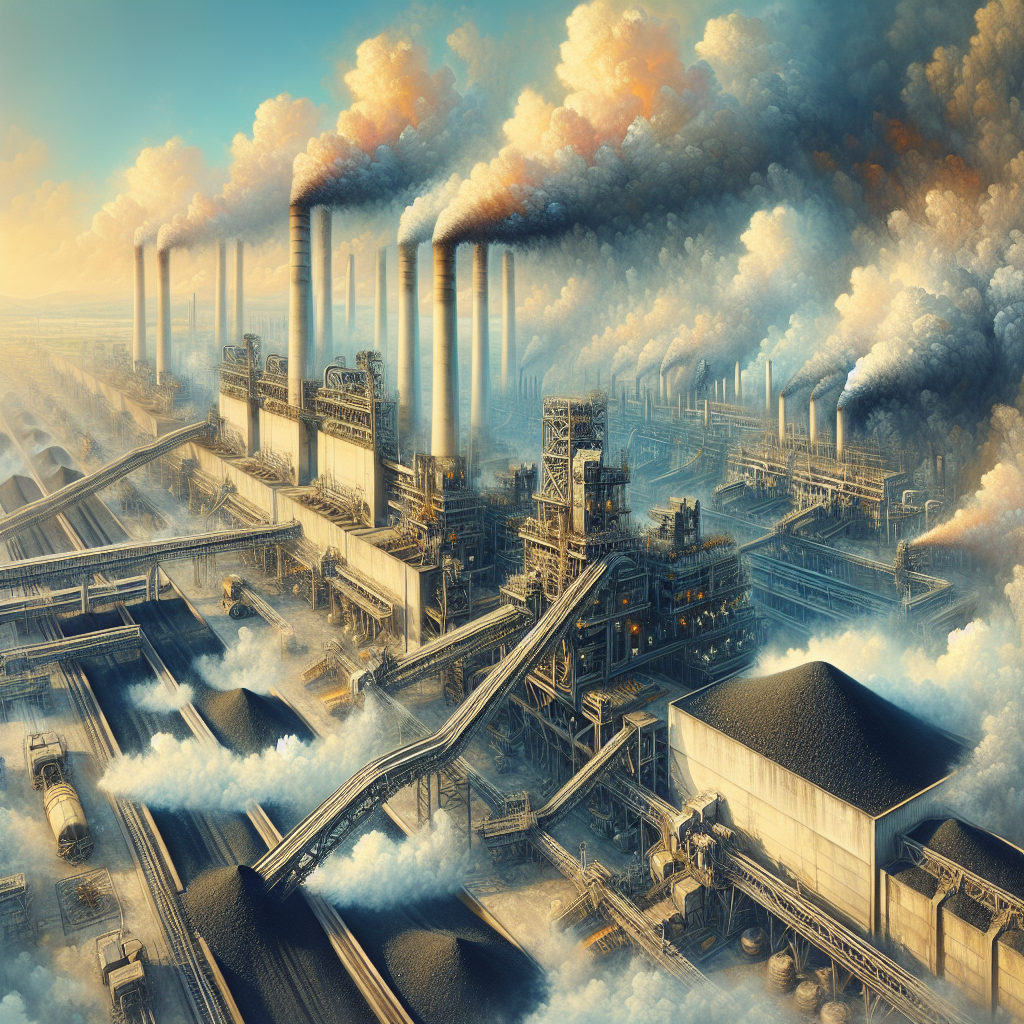
Conventional power generation through fossil fuels has been a cornerstone of industrial development and modern civilization. This method of energy production involves the combustion of coal, oil, and natural gas to generate electricity. Despite the growing emphasis on renewable energy sources, fossil fuels remain a significant part of the global energy mix due to their high energy density, established infrastructure, and economic viability. In the field of Energy Systems in Engineering, understanding the principles, history, applications, and challenges of fossil fuel-based power generation is crucial for developing efficient and sustainable energy solutions.
Fundamentals
Basic Principles and Concepts
Fossil fuels are hydrocarbon-based resources formed from the remains of ancient plants and animals subjected to heat and pressure over millions of years. The primary types of fossil fuels are coal, oil, and natural gas. The energy stored in these fuels is released through combustion, a chemical reaction with oxygen that produces heat. This heat is then used to generate electricity in power plants.
Key Terms
- Combustion: A chemical process in which a substance reacts with oxygen to produce heat and light.
- Thermal Power Plant: A facility where heat energy is converted into electrical energy.
- Steam Turbine: A device that converts thermal energy from steam into mechanical energy.
- Boiler: A component that heats water to produce steam in a thermal power plant.
- Greenhouse Gases: Gases that trap heat in the atmosphere, contributing to global warming.
Theories
The fundamental theory behind fossil fuel power generation is the Rankine cycle, a thermodynamic cycle that converts heat into work. In a typical thermal power plant, fuel is burned in a boiler to produce high-pressure steam. This steam drives a turbine connected to an electrical generator. The steam is then condensed back into water and returned to the boiler, completing the cycle.
Historical Development
Early Developments
The use of fossil fuels for power generation dates back to the Industrial Revolution in the 18th century. The invention of the steam engine by James Watt in 1765 marked a significant milestone, enabling the efficient conversion of heat into mechanical work. This innovation laid the foundation for modern thermal power plants.
20th Century Advancements
The 20th century saw significant advancements in fossil fuel power generation. The development of large-scale coal-fired power plants, the discovery of vast oil reserves, and the advent of natural gas turbines revolutionized the energy sector. Notable figures such as Thomas Edison and Nikola Tesla contributed to the widespread adoption of electrical power systems.
Modern Era
In recent decades, technological innovations have improved the efficiency and environmental performance of fossil fuel power plants. Combined cycle power plants, which use both gas and steam turbines, have become more prevalent due to their higher efficiency. Additionally, advancements in carbon capture and storage (CCS) technologies aim to mitigate the environmental impact of fossil fuel combustion.
Applications
Electricity Generation
Fossil fuel power plants are a primary source of electricity worldwide. Coal-fired power plants, in particular, have been the backbone of electricity generation in many countries. For example, China and India rely heavily on coal for their energy needs. Natural gas-fired power plants are also widely used due to their flexibility and lower emissions compared to coal.
Industrial Applications
Beyond electricity generation, fossil fuels are essential for various industrial processes. Oil refineries, chemical plants, and steel mills depend on fossil fuels for energy and as raw materials. For instance, natural gas is a key feedstock for producing ammonia, a critical component in fertilizers.
Transportation
Fossil fuels are the primary energy source for the transportation sector. Gasoline and diesel, derived from crude oil, power the majority of vehicles on the road. Jet fuel, another petroleum product, is indispensable for aviation. Despite the rise of electric vehicles, fossil fuels remain dominant in transportation.
Advanced Topics
Combined Cycle Power Plants
Combined cycle power plants (CCPP) represent a significant advancement in fossil fuel power generation. These plants combine gas turbines and steam turbines to achieve higher efficiency. The waste heat from the gas turbine is used to generate steam, which drives a steam turbine, resulting in more electricity from the same amount of fuel.
Carbon Capture and Storage (CCS)
CCS technologies aim to reduce the carbon footprint of fossil fuel power plants. These systems capture carbon dioxide (CO2) emissions from the flue gas and store them underground or use them in industrial processes. Recent research focuses on improving the efficiency and cost-effectiveness of CCS to make it a viable solution for reducing greenhouse gas emissions.
Supercritical and Ultra-Supercritical Boilers
Supercritical and ultra-supercritical boilers operate at higher temperatures and pressures than conventional boilers, resulting in higher efficiency and lower emissions. These advanced boilers are increasingly being adopted in new coal-fired power plants to improve performance and reduce environmental impact.
Challenges and Considerations
Environmental Impact
The combustion of fossil fuels releases significant amounts of CO2 and other pollutants, contributing to climate change and air pollution. Addressing these environmental concerns is a major challenge for the energy sector. Transitioning to cleaner energy sources and implementing CCS technologies are potential solutions.
Resource Depletion
Fossil fuels are finite resources, and their extraction and consumption deplete natural reserves. This raises concerns about energy security and the long-term sustainability of fossil fuel-based power generation. Diversifying energy sources and improving energy efficiency are critical strategies to address resource depletion.
Economic Considerations
The economics of fossil fuel power generation are influenced by fluctuating fuel prices, regulatory policies, and market dynamics. While fossil fuels have historically been cost-effective, the increasing competitiveness of renewable energy sources poses economic challenges. Policymakers and industry stakeholders must navigate these complexities to ensure a stable energy supply.
Conclusion
Conventional power generation through fossil fuels has played a pivotal role in shaping modern society and driving industrial progress. Understanding the principles, history, applications, and challenges of fossil fuel-based power generation is essential for engineers and energy professionals. While fossil fuels remain a significant part of the global energy landscape, addressing their environmental impact and resource limitations is crucial for a sustainable future. Advances in technology, such as combined cycle power plants and carbon capture and storage, offer promising solutions to enhance efficiency and reduce emissions. As the energy sector evolves, a balanced approach that integrates fossil fuels with renewable energy sources will be key to meeting the world’s growing energy demands while minimizing environmental impact.