Engineering Design of Electrical Systems
Introduction
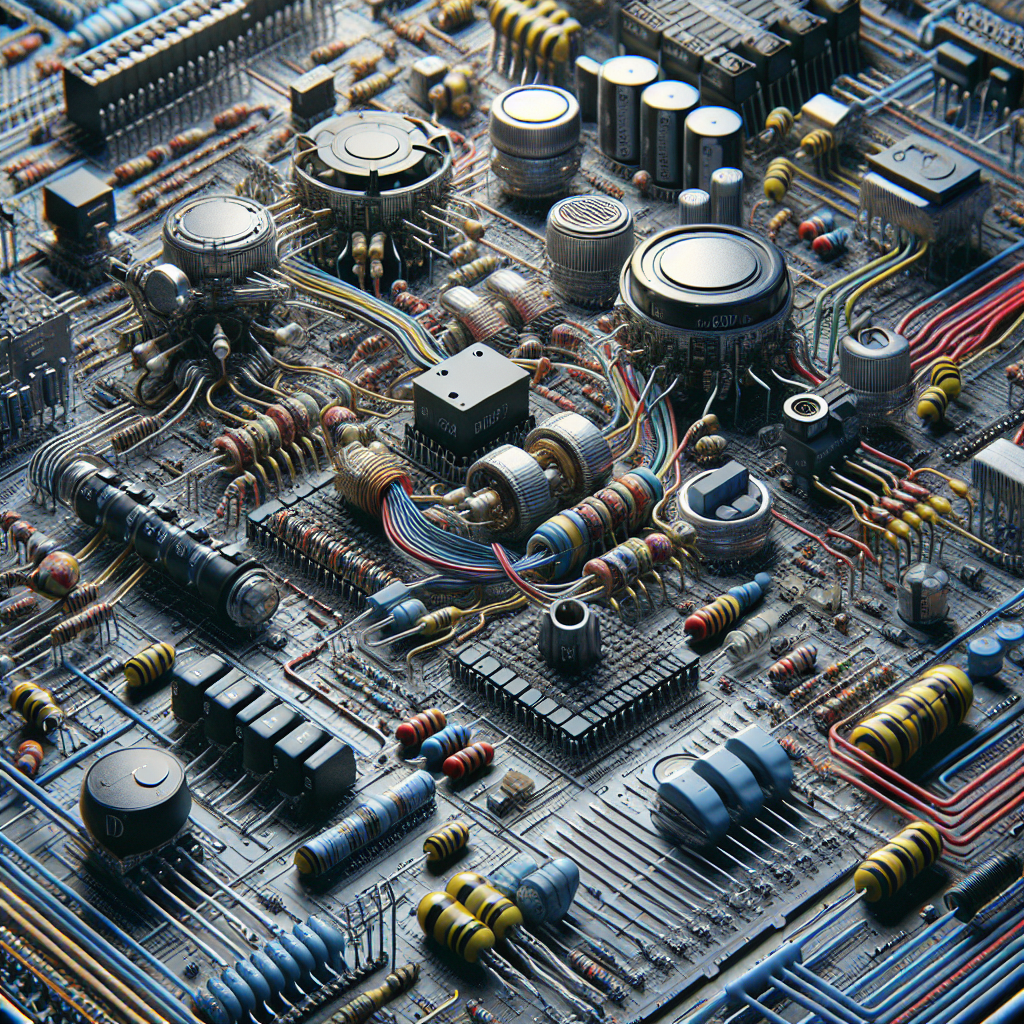
Engineering design of electrical systems is a critical aspect of modern engineering, encompassing the planning, development, and implementation of electrical systems that power our world. From residential wiring to complex industrial automation, the design of electrical systems ensures the safe, efficient, and reliable delivery of electrical power. This article delves into the importance and relevance of electrical system design in engineering, exploring its fundamentals, historical development, applications, advanced topics, challenges, and considerations.
Fundamentals
Basic Principles and Concepts
The engineering design of electrical systems involves several fundamental principles and concepts:
- Electrical Circuits: The foundation of any electrical system, circuits consist of interconnected electrical components that allow the flow of electric current.
- Voltage, Current, and Resistance: These are the basic electrical parameters. Voltage is the potential difference that drives current through a circuit, current is the flow of electric charge, and resistance is the opposition to current flow.
- Power and Energy: Power is the rate at which electrical energy is transferred by an electric circuit, while energy is the total amount of work done by the circuit over time.
- Load Analysis: Determining the electrical load requirements is crucial for designing systems that can handle the expected demand without overloading.
- Safety Standards: Adhering to safety standards and regulations, such as the National Electrical Code (NEC), ensures the safe operation of electrical systems.
Key Terms
- Conductor: A material that allows the flow of electrical current.
- Insulator: A material that resists the flow of electrical current.
- Transformer: A device that transfers electrical energy between two or more circuits through electromagnetic induction.
- Switchgear: A combination of electrical disconnect switches, fuses, or circuit breakers used to control, protect, and isolate electrical equipment.
- Grounding: The process of connecting electrical systems to the earth to ensure safety and prevent electrical shock.
Historical Development
The history of electrical system design is rich with innovation and discovery. Key milestones include:
- 19th Century: The invention of the electric light bulb by Thomas Edison and the development of alternating current (AC) systems by Nikola Tesla revolutionized the use of electricity.
- Early 20th Century: The establishment of power grids and the widespread adoption of electrical appliances marked significant progress in electrical system design.
- Mid-20th Century: The advent of digital electronics and the development of integrated circuits transformed electrical systems, leading to more efficient and compact designs.
- Late 20th Century: The rise of computer-aided design (CAD) tools and simulation software enabled more precise and complex electrical system designs.
- 21st Century: The integration of renewable energy sources, smart grids, and the Internet of Things (IoT) has further advanced the field, emphasizing sustainability and connectivity.
Notable figures such as Michael Faraday, James Clerk Maxwell, and George Westinghouse have made significant contributions to the development of electrical systems, laying the groundwork for modern engineering practices.
Applications
The engineering design of electrical systems has a wide range of practical applications across various industries:
Residential and Commercial Buildings
Electrical system design in residential and commercial buildings involves planning the wiring, lighting, and power distribution to ensure safety and efficiency. Examples include:
- Lighting Systems: Designing energy-efficient lighting solutions using LED technology.
- Power Distribution: Ensuring adequate power supply to all areas of a building while adhering to safety standards.
- Smart Homes: Integrating IoT devices for automated control of lighting, heating, and security systems.
Industrial Automation
In industrial settings, electrical system design is crucial for automating processes and ensuring the smooth operation of machinery. Examples include:
- Control Systems: Designing programmable logic controllers (PLCs) and human-machine interfaces (HMIs) for process control.
- Motor Control: Implementing variable frequency drives (VFDs) to control motor speed and improve energy efficiency.
- Safety Systems: Designing emergency stop systems and fail-safe mechanisms to protect workers and equipment.
Renewable Energy
The integration of renewable energy sources, such as solar and wind power, requires specialized electrical system design to ensure efficient energy conversion and distribution. Examples include:
- Solar Power Systems: Designing photovoltaic (PV) systems for residential, commercial, and utility-scale applications.
- Wind Turbines: Developing electrical systems for wind turbines, including power converters and grid integration.
- Energy Storage: Implementing battery storage systems to store excess energy and provide backup power.
Advanced Topics
Smart Grids
Smart grids represent the next generation of electrical power systems, incorporating advanced communication and control technologies to enhance efficiency, reliability, and sustainability. Key features include:
- Real-Time Monitoring: Using sensors and IoT devices to monitor grid performance and detect faults.
- Demand Response: Implementing strategies to balance supply and demand by adjusting consumption patterns.
- Distributed Generation: Integrating distributed energy resources, such as rooftop solar panels and small wind turbines, into the grid.
Power Electronics
Power electronics involves the design of electronic circuits and devices that control and convert electrical power. Recent advancements include:
- Wide Bandgap Semiconductors: Using materials like silicon carbide (SiC) and gallium nitride (GaN) to improve efficiency and performance.
- High-Efficiency Converters: Developing power converters with higher efficiency and lower losses for applications such as electric vehicles and renewable energy systems.
- Wireless Power Transfer: Exploring technologies for contactless power transfer, such as inductive and resonant coupling.
Energy Management Systems
Energy management systems (EMS) are designed to optimize the use of electrical energy in buildings, industrial facilities, and power grids. Key components include:
- Energy Monitoring: Collecting data on energy consumption and identifying areas for improvement.
- Control Algorithms: Implementing algorithms to optimize energy use based on real-time data and predictive analytics.
- Integration with Renewable Energy: Coordinating the use of renewable energy sources and energy storage systems to maximize efficiency.
Challenges and Considerations
The engineering design of electrical systems faces several challenges and considerations:
Safety and Reliability
Ensuring the safety and reliability of electrical systems is paramount. Challenges include:
- Electrical Hazards: Preventing electrical shocks, fires, and other hazards through proper design and maintenance.
- System Redundancy: Implementing redundant systems and backup power sources to ensure continuous operation.
- Compliance with Standards: Adhering to national and international safety standards and regulations.
Environmental Impact
The environmental impact of electrical systems is a growing concern. Considerations include:
- Energy Efficiency: Designing systems that minimize energy consumption and reduce greenhouse gas emissions.
- Renewable Integration: Incorporating renewable energy sources to reduce reliance on fossil fuels.
- Waste Management: Proper disposal and recycling of electrical components to minimize environmental impact.
Technological Advancements
Keeping up with rapid technological advancements is a challenge for electrical system designers. Considerations include:
- Continuous Learning: Staying updated with the latest technologies, tools, and best practices through ongoing education and training.
- Innovation: Embracing new technologies and approaches to improve system performance and efficiency.
- Interdisciplinary Collaboration: Working with experts from other fields, such as computer science and mechanical engineering, to develop integrated solutions.
Conclusion
The engineering design of electrical systems is a vital aspect of modern engineering, playing a crucial role in powering our homes, industries, and infrastructure. By understanding the fundamentals, historical development, applications, advanced topics, and challenges associated with electrical system design, engineers can create safe, efficient, and sustainable solutions. As technology continues to evolve, the field will undoubtedly see further innovations and advancements, making it an exciting and dynamic area of engineering.
In conclusion, the importance of electrical system design in engineering cannot be overstated. It is a field that not only ensures the reliable delivery of electrical power but also drives progress in various industries and contributes to a more sustainable future. By addressing the challenges and embracing new technologies, engineers can continue to push the boundaries of what is possible in the design of electrical systems.