Distributed Generation: Concepts and Technologies
Introduction
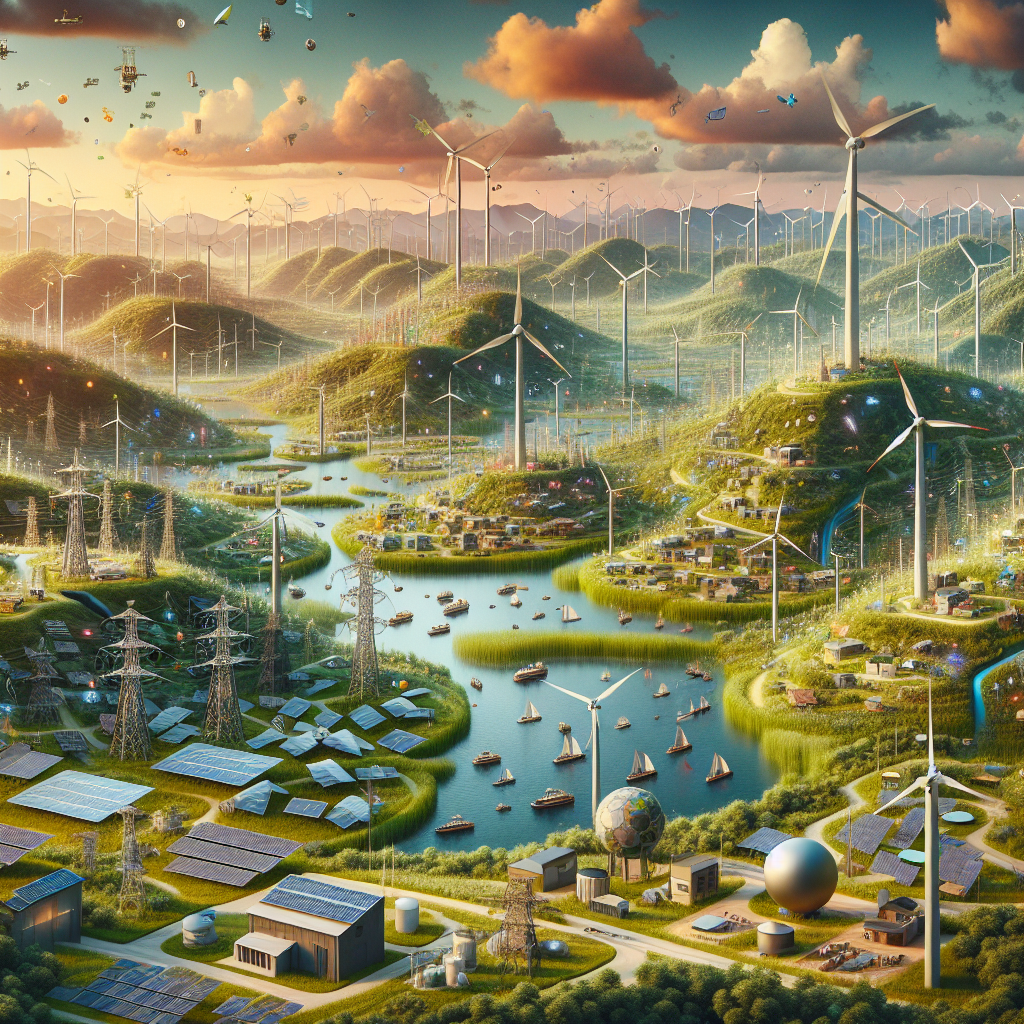
Distributed Generation (DG) represents a paradigm shift in the field of energy systems in engineering. Traditionally, electricity generation has been centralized, with large power plants supplying electricity to vast areas through extensive transmission and distribution networks. However, the advent of DG has introduced a more decentralized approach, where electricity is generated closer to the point of consumption. This shift is driven by the need for improved energy efficiency, reliability, and sustainability. In this article, we will delve into the concepts and technologies of Distributed Generation, exploring its fundamentals, historical development, applications, advanced topics, challenges, and future prospects.
Fundamentals
Basic Principles and Concepts
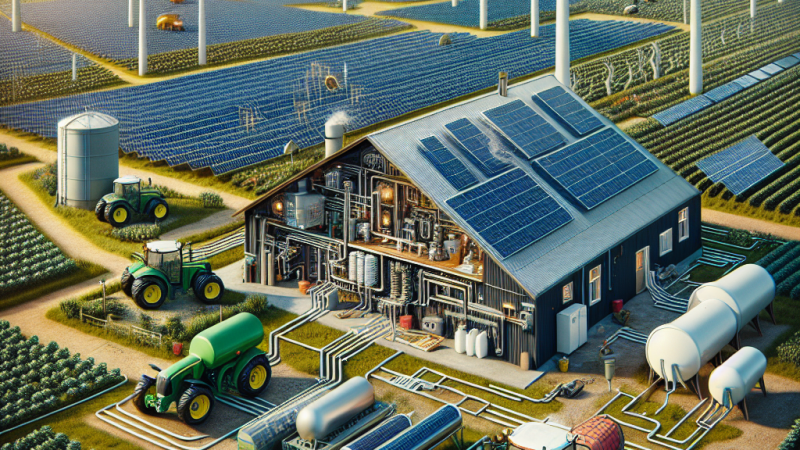
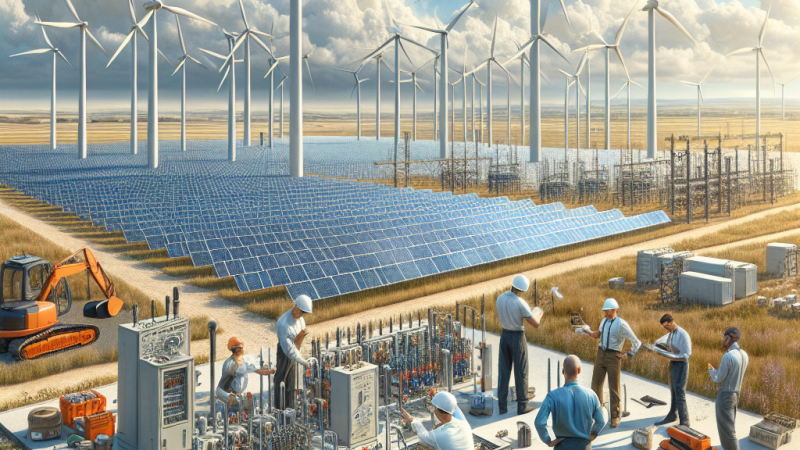
Distributed Generation refers to the generation of electricity from small-scale sources located near the point of use, rather than from large, centralized power plants. These sources can include renewable energy systems such as solar panels, wind turbines, and biomass generators, as well as non-renewable sources like natural gas microturbines and diesel generators.
Key Terms and Definitions
- Microgrid: A localized group of electricity sources and loads that can operate independently from the traditional grid.
- Net Metering: A billing mechanism that credits solar energy system owners for the electricity they add to the grid.
- Combined Heat and Power (CHP): A system that simultaneously generates electricity and useful heat from the same energy source.
- Inverter: A device that converts direct current (DC) generated by solar panels into alternating current (AC) used by the grid.
Historical Development
The concept of Distributed Generation is not entirely new. In the early days of electricity, power generation was inherently decentralized, with small generators serving local communities. However, as technology advanced, economies of scale favored the development of large, centralized power plants. The modern resurgence of DG began in the late 20th century, driven by technological advancements and growing environmental concerns.
Key Milestones
- 1970s: The oil crisis spurred interest in alternative energy sources, leading to early research in solar and wind technologies.
- 1980s: The development of power electronics and inverters made it feasible to integrate small-scale renewable energy systems with the grid.
- 1990s: Deregulation of electricity markets in many countries created opportunities for independent power producers and DG.
- 2000s: Advances in solar photovoltaic (PV) technology and government incentives led to a significant increase in distributed solar installations.
- 2010s: The rise of smart grid technologies and energy storage systems further enhanced the viability of DG.
Applications
Distributed Generation has a wide range of applications across various industries and sectors. Here are some notable examples:
Residential Sector
Homeowners can install solar panels on their rooftops to generate electricity, reducing their reliance on the grid and lowering their energy bills. Net metering allows them to sell excess electricity back to the grid, providing an additional financial incentive.
Commercial and Industrial Sector
Businesses and factories can use DG systems like CHP to improve energy efficiency and reduce operational costs. For instance, a manufacturing plant can use waste heat from its production processes to generate electricity, thereby reducing its overall energy consumption.
Remote and Rural Areas
In remote or rural areas where extending the grid is not feasible, DG systems can provide a reliable source of electricity. Microgrids powered by renewable energy sources can supply electricity to isolated communities, improving their quality of life.
Case Studies
- Case Study 1: The Brooklyn Microgrid project in New York uses blockchain technology to enable peer-to-peer energy trading among residents with solar panels.
- Case Study 2: The University of California, San Diego, operates a microgrid that integrates solar PV, fuel cells, and energy storage to meet a significant portion of its energy needs.
Advanced Topics
Recent Research and Innovations
Recent research in DG focuses on improving the efficiency and reliability of renewable energy systems. Innovations in materials science have led to the development of more efficient solar cells and wind turbine blades. Additionally, advancements in energy storage technologies, such as lithium-ion batteries and flow batteries, are addressing the intermittency issues associated with renewable energy sources.
Future Trends
The future of DG is likely to be shaped by several emerging trends:
- Integration with Smart Grids: Smart grids use advanced communication and control technologies to optimize the operation of DG systems, enhancing grid stability and reliability.
- Blockchain Technology: Blockchain can facilitate decentralized energy trading, allowing consumers to buy and sell electricity directly from each other.
- Artificial Intelligence (AI): AI algorithms can optimize the operation of DG systems, predicting energy demand and supply to improve efficiency.
Challenges and Considerations
Despite its many benefits, Distributed Generation also presents several challenges and considerations:
Technical Challenges
- Grid Integration: Integrating DG systems with the existing grid can be complex, requiring advanced control and communication technologies.
- Intermittency: Renewable energy sources like solar and wind are intermittent, necessitating the use of energy storage systems to ensure a reliable power supply.
Regulatory and Economic Challenges
- Regulatory Barriers: In some regions, regulatory frameworks may not be conducive to the widespread adoption of DG.
- Economic Viability: The initial capital cost of installing DG systems can be high, although this is often offset by long-term savings and incentives.
Potential Solutions
- Policy Support: Governments can provide incentives and subsidies to encourage the adoption of DG systems.
- Technological Advancements: Continued research and development can lead to more efficient and cost-effective DG technologies.
Conclusion
Distributed Generation represents a transformative approach to electricity generation, offering numerous benefits in terms of efficiency, reliability, and sustainability. By generating electricity closer to the point of use, DG reduces transmission losses and enhances grid resilience. While there are challenges to be addressed, ongoing research and technological advancements are paving the way for a more decentralized and sustainable energy future. As the field of energy systems in engineering continues to evolve, Distributed Generation will undoubtedly play a crucial role in shaping the energy landscape of tomorrow.