Smart Grids: Principles and Applications
Introduction
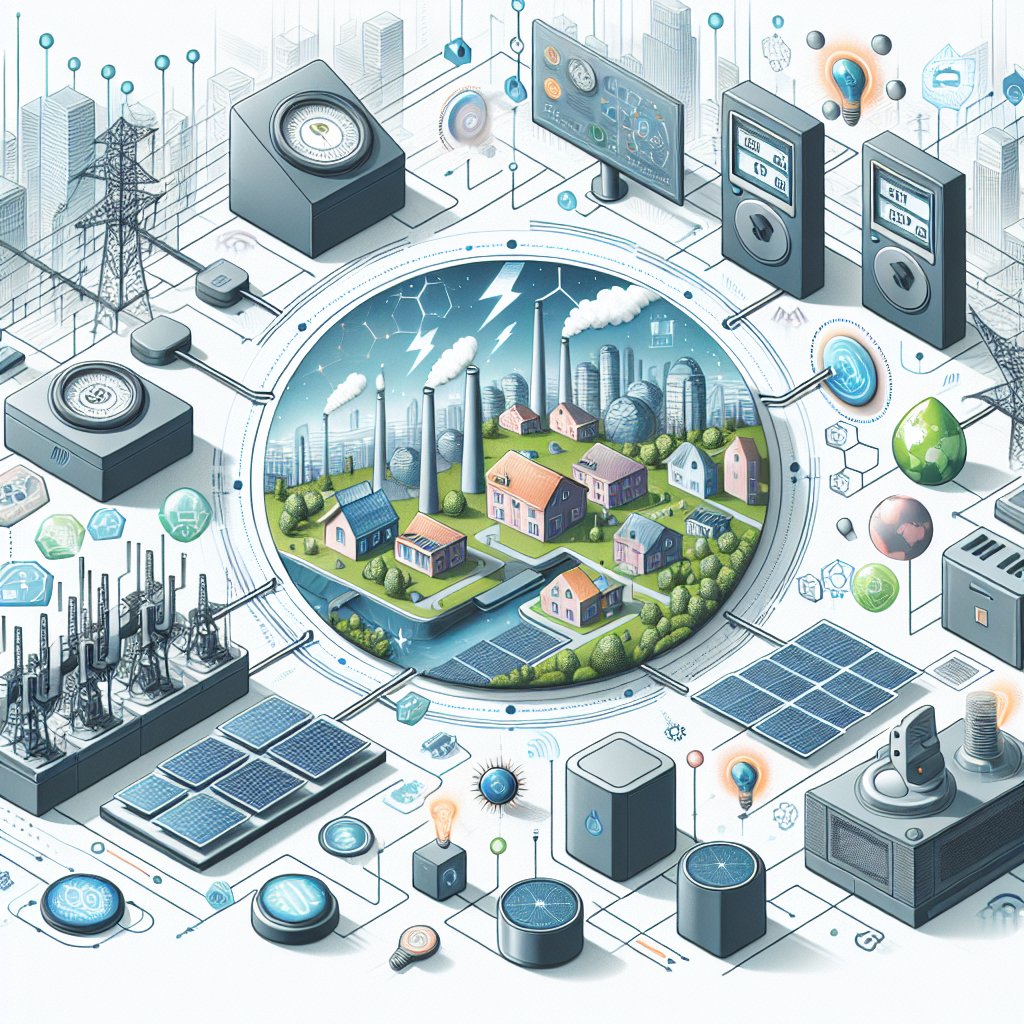
In the rapidly evolving field of Energy Systems in Engineering, the concept of Smart Grids has emerged as a revolutionary advancement. Smart Grids represent a significant leap from traditional power grids, incorporating advanced technologies to enhance the efficiency, reliability, and sustainability of electricity distribution. This article delves into the principles and applications of Smart Grids, highlighting their importance and relevance in modern engineering.
Smart Grids are essential in addressing the growing demand for electricity, integrating renewable energy sources, and improving the overall management of energy resources. They leverage digital communication technologies, automation, and real-time data analytics to optimize the generation, distribution, and consumption of electricity. As the world moves towards a more sustainable and resilient energy infrastructure, understanding Smart Grids becomes crucial for engineers, policymakers, and industry stakeholders.
Fundamentals
Basic Principles and Concepts
At its core, a Smart Grid is an electricity network that uses digital technology to monitor and manage the transport of electricity from all generation sources to meet the varying electricity demands of end-users. The key principles of Smart Grids include:
- Two-Way Communication: Unlike traditional grids, Smart Grids facilitate two-way communication between utilities and consumers, enabling real-time data exchange and more efficient energy management.
- Automation: Smart Grids employ advanced sensors, control systems, and automation technologies to detect and respond to changes in electricity demand and supply dynamically.
- Integration of Renewable Energy: Smart Grids support the integration of renewable energy sources such as solar and wind power, enhancing the grid’s sustainability and reducing reliance on fossil fuels.
- Enhanced Reliability: By using predictive analytics and real-time monitoring, Smart Grids can identify and address potential issues before they lead to outages, improving the overall reliability of the electricity supply.
Key Terms
- Advanced Metering Infrastructure (AMI): A system that includes smart meters, communication networks, and data management systems to enable two-way communication between utilities and consumers.
- Demand Response: Programs and technologies that allow consumers to adjust their electricity usage in response to supply conditions, often incentivized by dynamic pricing.
- Distributed Energy Resources (DERs): Small-scale power generation or storage technologies (e.g., solar panels, wind turbines, batteries) that are connected to the grid at the distribution level.
- Microgrid: A localized grid that can operate independently or in conjunction with the main grid, often incorporating renewable energy sources and energy storage systems.
Historical Development
The concept of Smart Grids has evolved over several decades, driven by advancements in technology and the growing need for a more efficient and resilient energy infrastructure. Key milestones in the development of Smart Grids include:
- 1970s: The introduction of digital control systems and early forms of automation in power grids marked the beginning of the transition from analog to digital technologies.
- 1990s: The development of Advanced Metering Infrastructure (AMI) and the deployment of smart meters enabled more precise monitoring and control of electricity consumption.
- 2000s: The integration of renewable energy sources and the rise of distributed energy resources (DERs) highlighted the need for more flexible and adaptive grid management systems.
- 2010s: The proliferation of Internet of Things (IoT) devices and advancements in data analytics and machine learning further enhanced the capabilities of Smart Grids, enabling real-time monitoring and predictive maintenance.
Notable figures in the field of Smart Grids include pioneers such as Nikola Tesla, who envisioned the concept of wireless power transmission, and modern innovators like Dr. Massoud Amin, often referred to as the “father of the Smart Grid,” for his contributions to the development of resilient and adaptive grid technologies.
Applications
Smart Grids have a wide range of practical applications across various industries and fields. Some notable examples include:
Residential Sector
In the residential sector, Smart Grids enable homeowners to monitor and manage their electricity usage more effectively. Smart meters provide real-time data on energy consumption, allowing consumers to make informed decisions about their energy use. Demand response programs incentivize consumers to reduce their electricity usage during peak demand periods, helping to balance the grid and reduce the need for additional power generation.
Commercial and Industrial Sector
In commercial and industrial settings, Smart Grids facilitate energy efficiency and cost savings through advanced energy management systems. Businesses can optimize their energy usage by leveraging real-time data and predictive analytics. For example, manufacturing facilities can adjust their operations based on electricity prices and grid conditions, reducing energy costs and minimizing their environmental impact.
Renewable Energy Integration
Smart Grids play a crucial role in integrating renewable energy sources into the grid. By using advanced forecasting and real-time monitoring, Smart Grids can manage the variability and intermittency of renewable energy generation. Microgrids, which can operate independently or in conjunction with the main grid, often incorporate renewable energy sources and energy storage systems, enhancing grid resilience and sustainability.
Electric Vehicles (EVs)
The rise of electric vehicles (EVs) presents both challenges and opportunities for Smart Grids. On one hand, the increased demand for electricity from EV charging can strain the grid. On the other hand, EVs can serve as distributed energy resources, providing grid support through vehicle-to-grid (V2G) technologies. Smart Grids enable the efficient management of EV charging and discharging, optimizing the use of available energy resources.
Advanced Topics
Recent Research and Innovations
Recent research in the field of Smart Grids has focused on enhancing grid resilience, improving cybersecurity, and developing advanced energy storage solutions. Innovations such as blockchain technology are being explored to enhance the security and transparency of energy transactions. Machine learning and artificial intelligence (AI) are being used to develop predictive maintenance algorithms, enabling utilities to identify and address potential issues before they lead to outages.
Future Trends
The future of Smart Grids is likely to be shaped by several key trends, including:
- Decentralization: The continued growth of distributed energy resources (DERs) and microgrids will lead to a more decentralized and resilient energy infrastructure.
- Digitalization: The increasing use of IoT devices, data analytics, and AI will enhance the capabilities of Smart Grids, enabling more efficient and adaptive grid management.
- Electrification: The electrification of transportation and other sectors will drive the need for more advanced and flexible grid solutions to manage increased electricity demand.
- Sustainability: The integration of renewable energy sources and the development of advanced energy storage solutions will be critical in achieving a more sustainable and low-carbon energy system.
Challenges and Considerations
Despite the numerous benefits of Smart Grids, several challenges and considerations must be addressed:
Cybersecurity
The increased digitalization of the grid introduces new cybersecurity risks. Protecting the grid from cyberattacks and ensuring the security of data and communication networks is a critical concern. Ongoing research and development of robust cybersecurity measures are essential to safeguard the integrity of Smart Grids.
Interoperability
The integration of diverse technologies and systems within Smart Grids requires interoperability standards to ensure seamless communication and coordination. Developing and implementing these standards is a complex task that involves collaboration among various stakeholders, including utilities, technology providers, and regulatory bodies.
Regulatory and Policy Frameworks
The successful deployment of Smart Grids depends on supportive regulatory and policy frameworks. Policymakers must address issues such as data privacy, grid access, and incentives for renewable energy integration. Clear and consistent regulations are necessary to promote investment and innovation in Smart Grid technologies.
Cost and Investment
The transition to Smart Grids requires significant investment in infrastructure, technology, and workforce training. While the long-term benefits of Smart Grids are substantial, the initial costs can be a barrier to widespread adoption. Identifying funding mechanisms and financial incentives is crucial to support the development and deployment of Smart Grids.
Conclusion
Smart Grids represent a transformative advancement in the field of Energy Systems in Engineering. By leveraging digital technologies, automation, and real-time data analytics, Smart Grids enhance the efficiency, reliability, and sustainability of electricity distribution. The integration of renewable energy sources, the rise of electric vehicles, and the increasing demand for electricity underscore the importance of Smart Grids in modern energy infrastructure.
While challenges such as cybersecurity, interoperability, and regulatory frameworks must be addressed, the potential benefits of Smart Grids are immense. As research and innovation continue to drive advancements in this field, Smart Grids will play a pivotal role in shaping a more resilient, sustainable, and efficient energy future.