Automotive Transmission Systems
Introduction
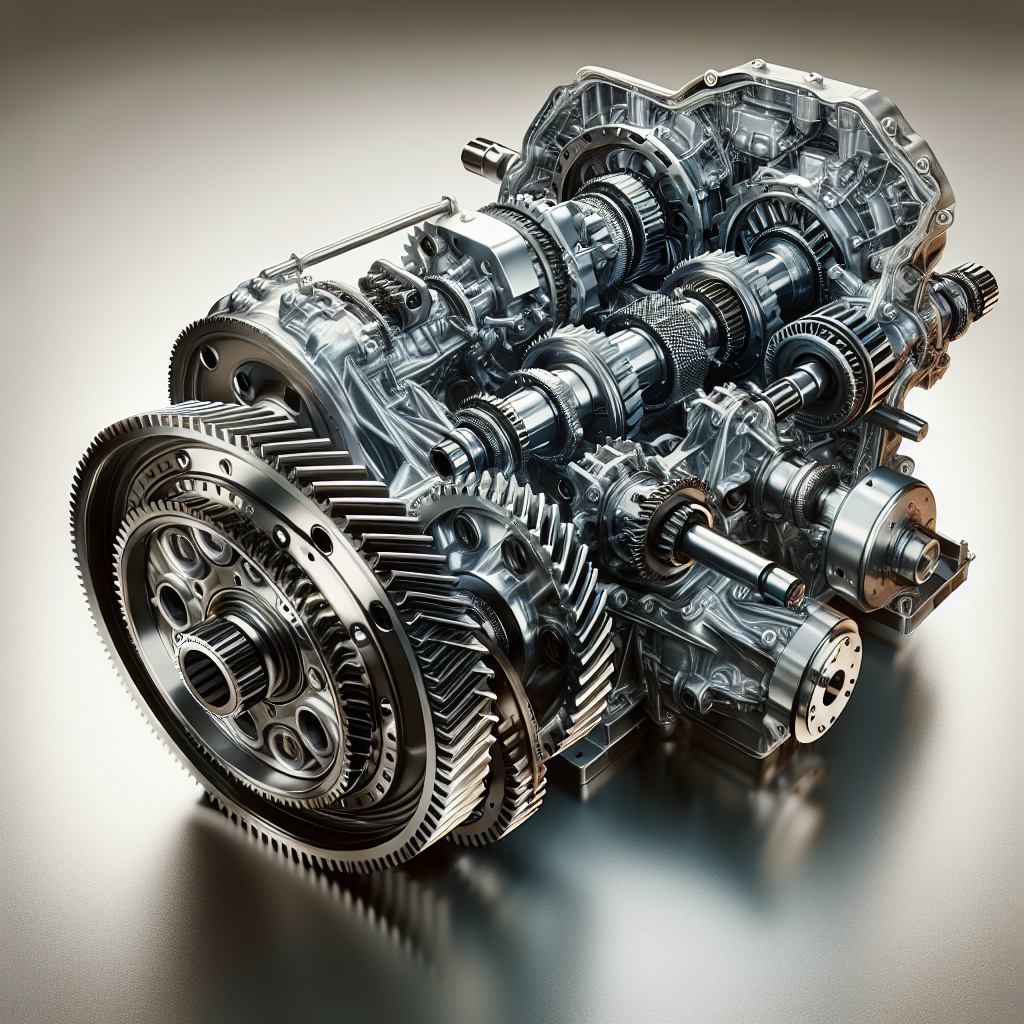
Automotive transmission systems are a critical component in the field of automotive engineering. These systems are responsible for transferring power from the engine to the wheels, enabling the vehicle to move. The importance of transmission systems cannot be overstated, as they directly impact the performance, efficiency, and drivability of a vehicle. In this article, we will delve into the various aspects of automotive transmission systems, exploring their fundamentals, historical development, practical applications, advanced topics, challenges, and considerations.
Fundamentals
Basic Principles and Concepts
At its core, an automotive transmission system is designed to manage the power generated by the engine and deliver it to the wheels in a controlled manner. This involves adjusting the torque and speed to match the driving conditions. The primary components of a transmission system include:
- Clutch: Engages and disengages the engine from the transmission.
- Gearbox: Contains a set of gears that can be adjusted to change the torque and speed.
- Driveshaft: Transfers power from the transmission to the differential.
- Differential: Distributes power to the wheels while allowing them to rotate at different speeds.
Key Terms
- Torque: A measure of the rotational force applied to an object.
- RPM (Revolutions Per Minute): A measure of the rotational speed of the engine or wheels.
- Gear Ratio: The ratio of the number of teeth on two meshing gears, determining the torque and speed output.
- Automatic Transmission: A type of transmission that automatically changes gear ratios as the vehicle moves.
- Manual Transmission: A type of transmission where the driver manually changes gear ratios using a clutch and gear stick.
Historical Development
Early Innovations
The development of automotive transmission systems dates back to the late 19th and early 20th centuries. The first manual transmission was introduced by French inventors Louis-René Panhard and Émile Levassor in 1894. This early design featured a three-speed gearbox and laid the foundation for future advancements.
Key Milestones
- 1928: Cadillac introduced the first synchronized manual transmission, which made gear shifting smoother and easier.
- 1939: General Motors developed the first mass-produced automatic transmission, known as the Hydra-Matic.
- 1980s: The introduction of electronic control units (ECUs) revolutionized automatic transmissions, allowing for more precise control and improved efficiency.
- 2000s: The development of continuously variable transmissions (CVTs) and dual-clutch transmissions (DCTs) offered new levels of performance and efficiency.
Notable Figures
Several individuals have made significant contributions to the development of automotive transmission systems. Notable figures include:
- Louis-René Panhard and Émile Levassor: Pioneers of the first manual transmission.
- Earl A. Thompson: An engineer at General Motors who played a key role in developing the Hydra-Matic automatic transmission.
- Dr. Ferdinand Porsche: Developed the first dual-clutch transmission for racing cars in the 1980s.
Applications
Automotive Industry
Transmission systems are integral to the automotive industry, impacting various types of vehicles, including:
- Passenger Cars: Both manual and automatic transmissions are used to provide a balance between performance and fuel efficiency.
- Commercial Vehicles: Heavy-duty trucks and buses often use automated manual transmissions (AMTs) for better control and durability.
- Racing Cars: High-performance transmissions, such as dual-clutch systems, are used to achieve rapid gear shifts and optimal performance.
Case Studies
One notable example of advanced transmission technology is the Porsche PDK (Porsche Doppelkupplung) system. This dual-clutch transmission offers lightning-fast gear changes and improved fuel efficiency, making it a popular choice in high-performance sports cars.
Advanced Topics
Recent Innovations
Recent advancements in transmission technology have focused on improving efficiency, performance, and sustainability. Some of the latest innovations include:
- Continuously Variable Transmissions (CVTs): These transmissions offer a seamless range of gear ratios, providing smoother acceleration and improved fuel efficiency.
- Dual-Clutch Transmissions (DCTs): These systems use two separate clutches for odd and even gears, allowing for rapid gear changes without interrupting power delivery.
- Hybrid and Electric Vehicle Transmissions: Specialized transmissions are being developed to optimize the performance of hybrid and electric vehicles, often integrating electric motors and regenerative braking systems.
Future Trends
The future of automotive transmission systems is likely to be shaped by several key trends:
- Electrification: As the automotive industry shifts towards electric vehicles (EVs), new transmission designs will be required to accommodate electric powertrains.
- Autonomous Driving: Advanced transmission systems will play a crucial role in enabling autonomous vehicles to operate smoothly and efficiently.
- Smart Transmissions: The integration of artificial intelligence (AI) and machine learning could lead to the development of smart transmissions that adapt to driving conditions in real-time.
Challenges and Considerations
Technical Challenges
Despite the advancements in transmission technology, several challenges remain:
- Complexity: Modern transmission systems are highly complex, requiring advanced manufacturing techniques and precise control mechanisms.
- Cost: The development and production of advanced transmissions can be expensive, impacting the overall cost of the vehicle.
- Reliability: Ensuring the long-term reliability and durability of transmission systems is a critical concern, particularly for high-performance and commercial vehicles.
Environmental Considerations
As the automotive industry seeks to reduce its environmental impact, transmission systems must also evolve to meet new standards:
- Fuel Efficiency: Improving the efficiency of transmission systems can contribute to lower fuel consumption and reduced emissions.
- Sustainability: The use of sustainable materials and manufacturing processes can help minimize the environmental footprint of transmission production.
Potential Solutions
Addressing these challenges will require ongoing research and innovation. Potential solutions include:
- Advanced Materials: The use of lightweight, high-strength materials can improve the performance and efficiency of transmission systems.
- Improved Lubrication: Developing advanced lubrication technologies can reduce friction and wear, enhancing the reliability and longevity of transmissions.
- Integrated Systems: The integration of transmission systems with other vehicle components, such as engines and electric motors, can optimize overall performance and efficiency.
Conclusion
In conclusion, automotive transmission systems are a vital aspect of automotive engineering, playing a crucial role in the performance, efficiency, and drivability of vehicles. From their early development to the latest innovations, transmission systems have continually evolved to meet the demands of the automotive industry. As we look to the future, ongoing research and innovation will be essential in addressing the challenges and opportunities presented by new technologies and environmental considerations. The importance of transmission systems in the field of automotive engineering cannot be overstated, as they will continue to shape the future of transportation.