Automotive Manufacturing Processes
Introduction
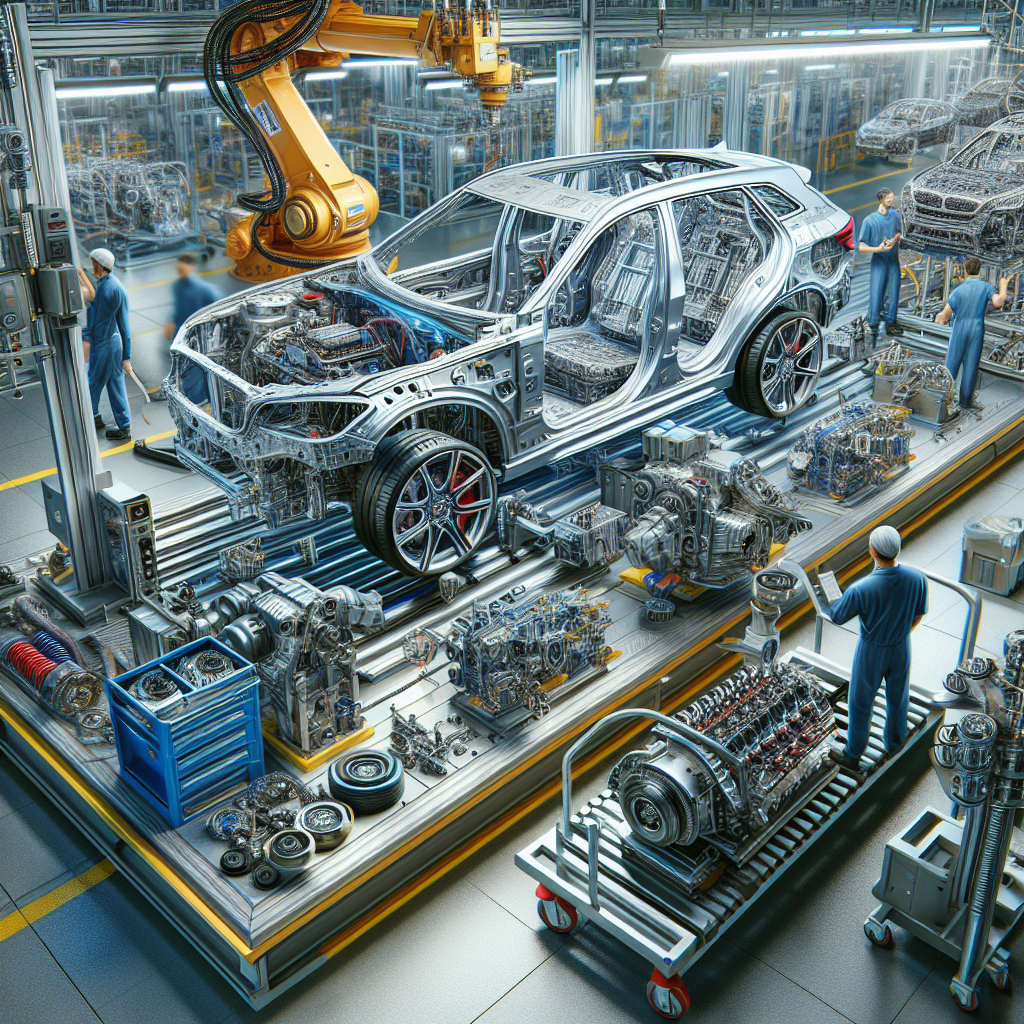
Automotive manufacturing processes are a cornerstone of the automotive engineering field, playing a crucial role in the production of vehicles that meet stringent quality, safety, and performance standards. These processes encompass a wide range of activities, from the initial design and prototyping stages to the final assembly and quality control. The importance of automotive manufacturing processes cannot be overstated, as they directly impact the efficiency, cost-effectiveness, and sustainability of vehicle production. In this article, we will delve into the various aspects of automotive manufacturing processes, exploring their fundamentals, historical development, practical applications, advanced topics, challenges, and considerations.
Fundamentals
Basic Principles and Concepts
Automotive manufacturing processes involve a series of steps designed to transform raw materials into finished vehicles. These steps can be broadly categorized into several key stages:
- Design and Prototyping: This initial stage involves the creation of vehicle designs using computer-aided design (CAD) software. Prototypes are then developed to test and refine these designs.
- Material Selection: The choice of materials, such as metals, plastics, and composites, is critical for ensuring the vehicle’s performance, safety, and durability.
- Manufacturing Processes: This stage includes various techniques such as casting, forging, machining, welding, and assembly. Each technique has its own set of principles and applications.
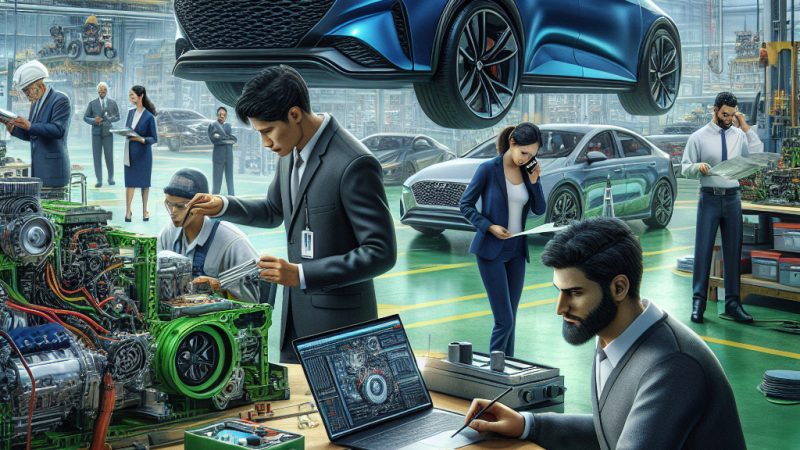
- Quality Control: Rigorous testing and inspection processes are implemented to ensure that the final product meets all required standards and specifications.
Key Terms
- CAD (Computer-Aided Design): Software used to create precise drawings and models of vehicle components.
- CAM (Computer-Aided Manufacturing): Software that uses CAD models to control machinery and automate manufacturing processes.
- Lean Manufacturing: A methodology focused on minimizing waste and maximizing efficiency in the production process.
- Six Sigma: A set of techniques and tools for process improvement, aimed at reducing defects and variability.
Historical Development
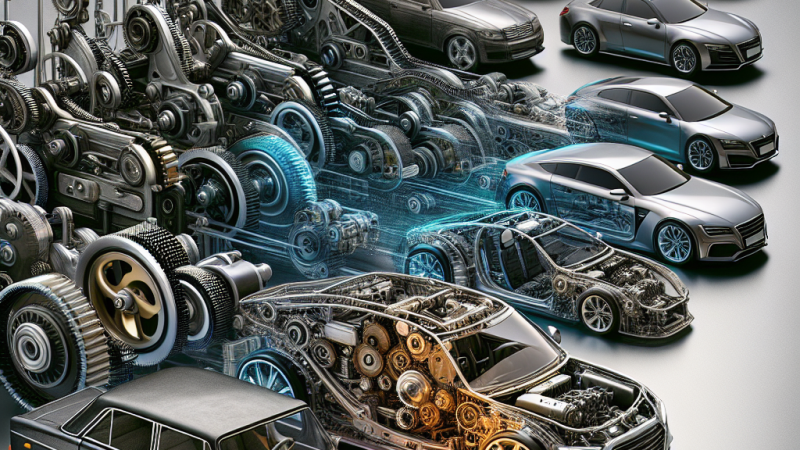
The history of automotive manufacturing processes is rich with innovation and technological advancements. The journey began in the late 19th century with the advent of the first automobiles. Key milestones in the development of automotive manufacturing processes include:
- 1890s: The first automobiles were handcrafted, with each vehicle being unique. This artisanal approach was labor-intensive and time-consuming.
- 1913: Henry Ford revolutionized the industry with the introduction of the moving assembly line. This innovation drastically reduced production time and costs, making automobiles more accessible to the general public.
- 1950s-1960s: The post-war era saw significant advancements in automation and robotics, further enhancing production efficiency and consistency.
- 1980s-1990s: The adoption of lean manufacturing principles and Six Sigma methodologies led to further improvements in quality and efficiency.
- 2000s-Present: The integration of advanced technologies such as artificial intelligence (AI), the Internet of Things (IoT), and additive manufacturing (3D printing) has ushered in a new era of smart manufacturing.
Applications
Automotive manufacturing processes have a wide range of applications across various industries and fields. Some notable examples include:
Automotive Industry
The most obvious application is in the production of passenger vehicles, commercial trucks, and specialty vehicles. Companies like Toyota, General Motors, and Tesla utilize advanced manufacturing processes to produce high-quality vehicles efficiently.
Aerospace Industry
Many of the techniques used in automotive manufacturing, such as precision machining and advanced materials, are also applicable in the aerospace industry. For example, Boeing and Airbus use similar processes to manufacture aircraft components.
Medical Devices
The precision and quality control standards in automotive manufacturing are also relevant in the production of medical devices. Companies like Medtronic and Johnson & Johnson leverage these processes to produce reliable and safe medical equipment.
Consumer Electronics
The principles of lean manufacturing and Six Sigma are widely adopted in the consumer electronics industry to produce high-quality products efficiently. Companies like Apple and Samsung use these methodologies to manufacture smartphones, tablets, and other electronic devices.
Advanced Topics
Recent Research and Innovations
Recent advancements in automotive manufacturing processes have focused on the integration of cutting-edge technologies. Some notable innovations include:
- Artificial Intelligence (AI): AI is being used to optimize production schedules, predict equipment failures, and improve quality control through advanced data analytics.
- Internet of Things (IoT): IoT devices are being used to monitor and control manufacturing equipment in real-time, enhancing efficiency and reducing downtime.
- Additive Manufacturing (3D Printing): 3D printing is being used to produce complex components with reduced material waste and shorter lead times.
- Augmented Reality (AR): AR is being used for training purposes and to assist workers in complex assembly tasks, improving accuracy and reducing errors.
Future Trends
The future of automotive manufacturing processes is likely to be shaped by several emerging trends:
- Smart Factories: The concept of smart factories involves the use of interconnected systems and advanced analytics to create highly efficient and flexible manufacturing environments.
- Sustainable Manufacturing: There is a growing emphasis on sustainability, with manufacturers adopting eco-friendly materials and processes to reduce their environmental impact.
- Customization: Advances in manufacturing technologies are enabling greater levels of customization, allowing consumers to personalize their vehicles to a greater extent.
Challenges and Considerations
Despite the numerous advancements in automotive manufacturing processes, several challenges and considerations remain:
Cost
The implementation of advanced technologies can be costly, requiring significant capital investment. Manufacturers must carefully weigh the potential benefits against the costs.
Skilled Workforce
The adoption of new technologies requires a skilled workforce capable of operating and maintaining advanced equipment. There is a growing need for specialized training and education programs.
Supply Chain Management
The complexity of global supply chains can pose challenges in terms of logistics, quality control, and risk management. Manufacturers must develop robust strategies to manage these complexities effectively.
Regulatory Compliance
Automotive manufacturers must adhere to a wide range of regulatory standards related to safety, emissions, and quality. Compliance with these standards can be challenging and requires ongoing monitoring and adaptation.
Conclusion
In conclusion, automotive manufacturing processes are a vital aspect of the automotive engineering field, encompassing a wide range of activities from design and prototyping to final assembly and quality control. The historical development of these processes has been marked by significant innovations, from the introduction of the moving assembly line to the integration of advanced technologies such as AI and IoT. The practical applications of automotive manufacturing processes extend beyond the automotive industry, impacting fields such as aerospace, medical devices, and consumer electronics. While there are challenges and considerations to address, the future of automotive manufacturing processes looks promising, with emerging trends such as smart factories, sustainable manufacturing, and increased customization shaping the industry. As we continue to advance, the importance of automotive manufacturing processes in the field of automotive engineering will only grow, driving innovation and efficiency in vehicle production.