Supply Chain Management in Industrial Engineering
Introduction

Supply Chain Management (SCM) is a critical aspect of Industrial Engineering, playing a pivotal role in the efficient and effective movement of goods, services, and information from suppliers to end customers. In the field of Engineering, SCM is essential for optimizing production processes, reducing costs, and enhancing customer satisfaction. This article delves into the importance and relevance of SCM in Industrial Engineering, exploring its fundamentals, historical development, practical applications, advanced topics, challenges, and considerations.
Fundamentals
Basic Principles and Concepts
Supply Chain Management involves the coordination and management of a network of interconnected businesses involved in the provision of products and services to end-users. The primary goal of SCM is to streamline operations to achieve maximum efficiency and effectiveness. Key principles and concepts in SCM include:
- Supply Chain Integration: The seamless coordination of various supply chain activities, including procurement, production, and distribution.
- Demand Forecasting: Predicting future customer demand to ensure that the right products are available at the right time.
- Inventory Management: The control and oversight of inventory levels to minimize costs while meeting customer demand.
- Logistics: The planning, implementation, and control of the movement and storage of goods and services.
- Supplier Relationship Management: Building and maintaining strong relationships with suppliers to ensure a reliable supply of materials.
Key Terms
Understanding SCM requires familiarity with several key terms:
- Lead Time: The time it takes for an order to be fulfilled from the moment it is placed.
- Just-In-Time (JIT): An inventory strategy that aims to reduce waste by receiving goods only as they are needed in the production process.
- Bullwhip Effect: The phenomenon where small fluctuations in demand at the retail level cause increasingly larger fluctuations up the supply chain.
- Third-Party Logistics (3PL): The use of external companies to handle logistics functions such as warehousing and transportation.
Historical Development
Early Beginnings
The concept of supply chain management has evolved significantly over time. In the early 20th century, the focus was primarily on production efficiency and cost reduction. Frederick Taylor’s principles of scientific management laid the groundwork for modern SCM by emphasizing the importance of optimizing work processes.
Mid-20th Century
During the mid-20th century, the advent of computer technology revolutionized SCM. The development of Material Requirements Planning (MRP) systems in the 1960s allowed companies to better manage inventory and production schedules. This period also saw the rise of Just-In-Time (JIT) manufacturing, pioneered by Toyota, which aimed to reduce waste and improve efficiency.
Late 20th Century to Present
In the late 20th century, globalization and advances in information technology further transformed SCM. The integration of Enterprise Resource Planning (ERP) systems enabled companies to manage their entire supply chain from a single platform. The rise of e-commerce and the internet has also had a profound impact on SCM, enabling real-time tracking and more efficient logistics.
Applications
Manufacturing Industry
In the manufacturing industry, SCM is crucial for ensuring that production processes run smoothly. Effective SCM helps manufacturers maintain optimal inventory levels, reduce lead times, and improve product quality. For example, automotive companies like Toyota and Ford have implemented advanced SCM practices to streamline their production lines and reduce costs.
Retail Industry
The retail industry relies heavily on SCM to manage the flow of goods from suppliers to stores. Retail giants like Walmart and Amazon have invested heavily in SCM technologies to optimize their supply chains. Walmart’s use of RFID technology for inventory tracking and Amazon’s sophisticated logistics network are prime examples of SCM in action.
Healthcare Industry
In the healthcare industry, SCM is essential for ensuring the timely delivery of medical supplies and pharmaceuticals. Hospitals and healthcare providers use SCM to manage their inventory of critical supplies, reduce waste, and improve patient care. For instance, the implementation of SCM practices during the COVID-19 pandemic was vital for distributing vaccines and medical equipment efficiently.
Case Studies
One notable case study is the implementation of SCM practices by Dell Inc. Dell’s direct-to-consumer model and build-to-order approach allowed the company to reduce inventory costs and respond quickly to customer demand. Another example is Zara, a fashion retailer known for its agile supply chain, which enables it to bring new designs to market rapidly.
Advanced Topics
Supply Chain Analytics
Supply chain analytics involves the use of data analysis and modeling techniques to gain insights into supply chain performance. Advanced analytics can help companies identify inefficiencies, predict demand, and optimize their supply chains. Machine learning and artificial intelligence are increasingly being used to enhance supply chain analytics.
Blockchain Technology
Blockchain technology has the potential to revolutionize SCM by providing a secure and transparent way to track the movement of goods. By creating an immutable ledger of transactions, blockchain can enhance traceability, reduce fraud, and improve trust among supply chain partners.
Sustainable Supply Chain Management
Sustainability is becoming a key focus in SCM. Companies are increasingly adopting sustainable practices to reduce their environmental impact and meet regulatory requirements. This includes using eco-friendly materials, optimizing transportation routes, and reducing waste.
Future Trends
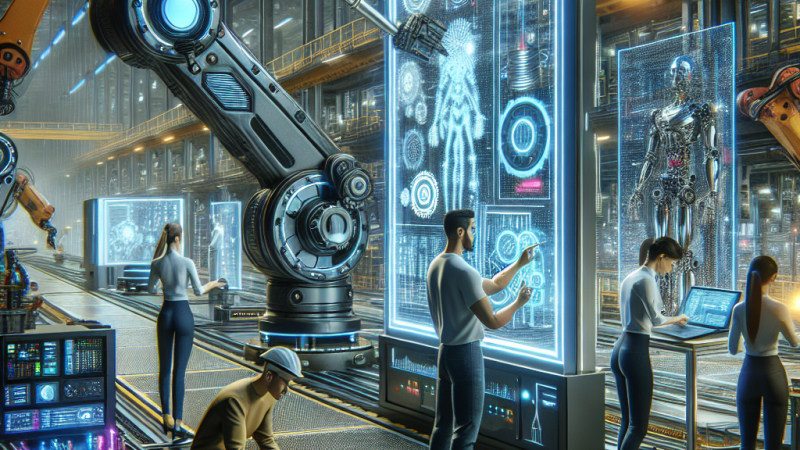
The future of SCM is likely to be shaped by several emerging trends, including the increased use of automation and robotics, the adoption of Internet of Things (IoT) devices for real-time tracking, and the integration of artificial intelligence for predictive analytics. These innovations have the potential to further enhance the efficiency and effectiveness of supply chains.
Challenges and Considerations
Complexity and Risk
One of the primary challenges in SCM is managing the complexity and risk associated with global supply chains. Factors such as geopolitical instability, natural disasters, and supply chain disruptions can have significant impacts on operations. Companies must develop robust risk management strategies to mitigate these risks.
Data Management
Effective SCM requires the collection and analysis of vast amounts of data. Ensuring data accuracy and integrity is a critical consideration. Companies must invest in advanced data management systems and technologies to handle this data effectively.
Collaboration and Communication
Successful SCM relies on strong collaboration and communication among supply chain partners. Building trust and maintaining open lines of communication are essential for ensuring smooth operations. Companies must also navigate cultural and language differences when working with international partners.
Potential Solutions
To address these challenges, companies can adopt several strategies, including:
- Implementing Advanced Technologies: Investing in technologies such as blockchain, IoT, and AI to enhance supply chain visibility and efficiency.
- Developing Resilient Supply Chains: Building flexibility into supply chains to quickly adapt to disruptions and changes in demand.
- Fostering Collaboration: Strengthening relationships with suppliers and partners through regular communication and collaboration.
- Investing in Training: Providing ongoing training and development for supply chain professionals to keep them updated on the latest trends and best practices.
Conclusion
Supply Chain Management is a vital component of Industrial Engineering, with far-reaching implications for various industries. By understanding the fundamentals, historical development, practical applications, advanced topics, and challenges associated with SCM, companies can optimize their operations, reduce costs, and enhance customer satisfaction. As technology continues to evolve, the future of SCM holds exciting possibilities for further innovation and improvement. The importance of SCM in Industrial Engineering cannot be overstated, as it plays a crucial role in driving efficiency, sustainability, and competitiveness in today’s global economy.