
Robotics in Environmental Monitoring
Introduction
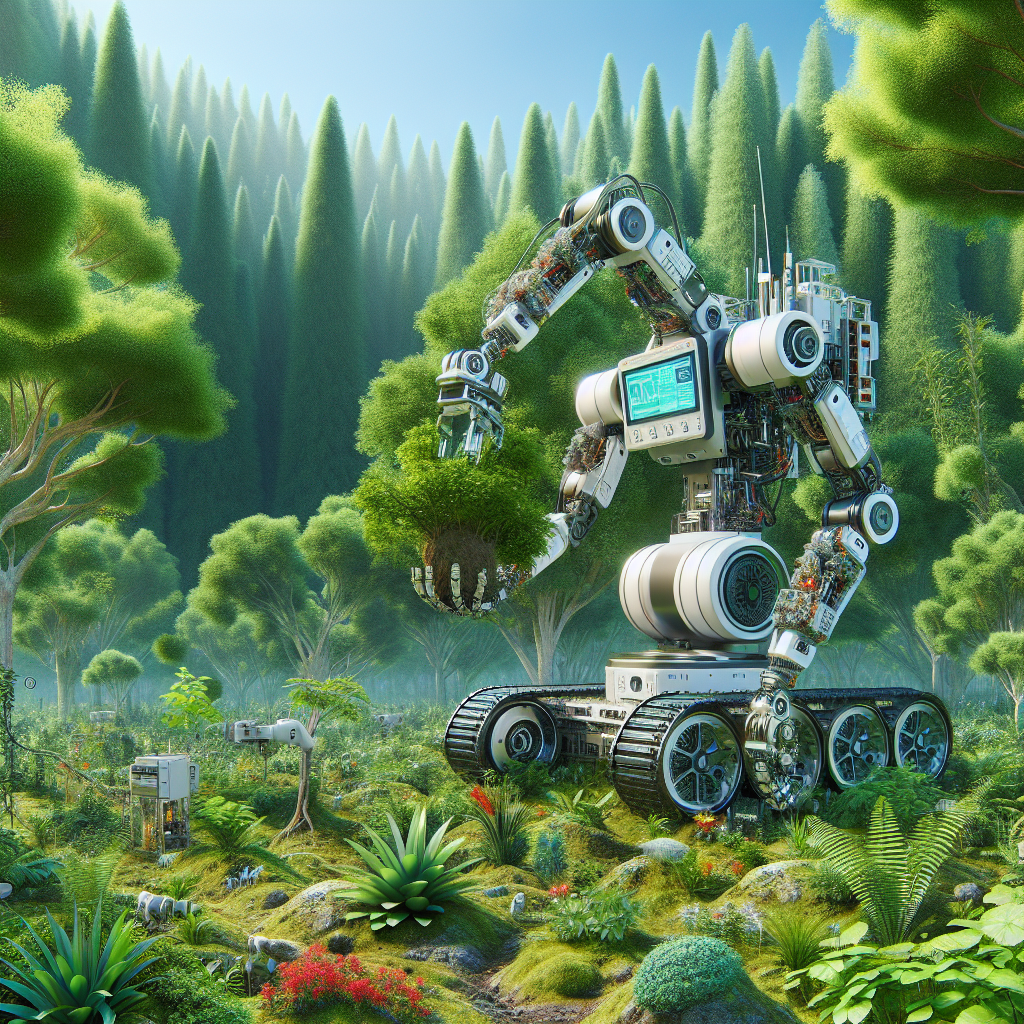
Robotics in Environmental Monitoring is an emerging and highly significant field within Robotics in Engineering. As the world grapples with environmental challenges such as climate change, pollution, and biodiversity loss, the need for precise, efficient, and continuous monitoring of environmental parameters has never been more critical. Robotics offers innovative solutions to these challenges by providing advanced tools and systems capable of collecting, analyzing, and interpreting environmental data. This article delves into the importance and relevance of robotics in environmental monitoring, exploring its fundamental principles, historical development, practical applications, advanced topics, challenges, and future prospects.
Fundamentals
Environmental monitoring involves the systematic collection of data related to the physical, chemical, and biological aspects of the environment. Robotics in this context refers to the use of automated systems and machines to perform these monitoring tasks. Key terms and concepts include:
- Autonomous Robots: Robots capable of performing tasks without human intervention.
- Sensors: Devices that detect and measure environmental parameters such as temperature, humidity, air quality, and water quality.
- Data Acquisition: The process of collecting and storing data from sensors for analysis.
- Remote Sensing: The use of satellite or aerial imagery to monitor environmental conditions from a distance.
- Machine Learning: A subset of artificial intelligence that enables robots to learn from data and improve their performance over time.
The integration of these concepts allows for the development of sophisticated robotic systems capable of performing complex environmental monitoring tasks with high precision and efficiency.
Historical Development
The use of robotics in environmental monitoring has evolved significantly over the past few decades. Key milestones in this development include:
- 1960s: The advent of remote sensing technology, primarily through satellite imagery, laid the groundwork for modern environmental monitoring.
- 1980s: The development of autonomous underwater vehicles (AUVs) enabled detailed exploration and monitoring of marine environments.
- 1990s: The introduction of unmanned aerial vehicles (UAVs) or drones revolutionized aerial environmental monitoring, providing high-resolution data and real-time analysis.
- 2000s: Advances in sensor technology and data processing capabilities led to the creation of more sophisticated and versatile robotic systems for environmental monitoring.
- 2010s: The integration of machine learning and artificial intelligence into robotic systems enhanced their ability to analyze and interpret complex environmental data.
Notable figures in this field include Jacques Cousteau, who pioneered the use of underwater robots for marine exploration, and NASA scientists who developed early remote sensing technologies for environmental monitoring from space.
Applications
Robotics in environmental monitoring has a wide range of practical applications across various industries and fields. Some notable examples include:
Marine and Coastal Monitoring
Autonomous underwater vehicles (AUVs) and remotely operated vehicles (ROVs) are used to monitor marine ecosystems, track marine life, and assess the health of coral reefs. For instance, the Ocean Cleanup project employs robotic systems to collect plastic waste from the ocean, helping to mitigate marine pollution.
Air Quality Monitoring
Drones equipped with air quality sensors are used to monitor pollution levels in urban areas, industrial sites, and remote regions. These systems provide real-time data on pollutants such as particulate matter, nitrogen dioxide, and sulfur dioxide, enabling authorities to take timely action to improve air quality.
Forest and Wildlife Monitoring
Robotic systems are used to monitor forest health, track wildlife populations, and detect illegal activities such as poaching and deforestation. For example, drones equipped with thermal cameras can locate and track endangered species, providing valuable data for conservation efforts.
Water Quality Monitoring
Autonomous surface vehicles (ASVs) and underwater robots are used to monitor water quality in rivers, lakes, and reservoirs. These systems can detect pollutants, measure water temperature, and assess the overall health of aquatic ecosystems. The European Union’s Water Framework Directive has employed such technologies to ensure the sustainable management of water resources.
Agricultural Monitoring
Robotic systems are used in precision agriculture to monitor soil health, crop growth, and pest infestations. Drones equipped with multispectral sensors can provide detailed data on crop health, enabling farmers to optimize irrigation, fertilization, and pest control practices.
Advanced Topics
The field of robotics in environmental monitoring is continually evolving, with recent research and innovations pushing the boundaries of what is possible. Some advanced topics include:
Swarm Robotics
Swarm robotics involves the use of multiple robots working together to perform complex tasks. In environmental monitoring, swarm robots can cover large areas more efficiently than a single robot. For example, a swarm of drones can be deployed to monitor air quality over an entire city, providing comprehensive data in a short amount of time.
Machine Learning and AI
The integration of machine learning and artificial intelligence into robotic systems enhances their ability to analyze and interpret complex environmental data. For instance, AI algorithms can be used to predict pollution levels based on historical data, enabling proactive measures to be taken to mitigate environmental impacts.
Biomimetic Robots
Biomimetic robots are designed to mimic the behavior and characteristics of living organisms. In environmental monitoring, these robots can be used to study and interact with wildlife in a non-intrusive manner. For example, robotic fish can be used to monitor water quality and track aquatic life in rivers and lakes.
Internet of Things (IoT)
The Internet of Things (IoT) involves the interconnection of devices and systems through the internet. In environmental monitoring, IoT-enabled sensors and robots can provide real-time data on various environmental parameters, enabling more efficient and effective monitoring and management of natural resources.
Challenges and Considerations
Despite the numerous advantages of using robotics in environmental monitoring, there are several challenges and considerations that need to be addressed:
Technical Challenges
Developing and deploying robotic systems for environmental monitoring involves several technical challenges, including:
- Sensor Accuracy: Ensuring the accuracy and reliability of sensors used in robotic systems is critical for obtaining precise environmental data.
- Data Processing: The large volumes of data collected by robotic systems require advanced data processing and analysis techniques to extract meaningful insights.
- Energy Efficiency: Ensuring that robotic systems have sufficient power to operate for extended periods in remote or harsh environments is a significant challenge.
Environmental Impact
While robotic systems can provide valuable data for environmental monitoring, their deployment can also have unintended environmental impacts. For example, the use of drones in wildlife monitoring can disturb animals and their habitats. It is essential to carefully consider and mitigate these impacts to ensure that the benefits of using robotics outweigh any potential negative effects.
Regulatory and Ethical Considerations
The use of robotics in environmental monitoring raises several regulatory and ethical considerations, including:
- Privacy: The use of drones and other robotic systems for environmental monitoring can raise privacy concerns, particularly in urban areas.
- Regulation: The deployment of robotic systems for environmental monitoring is subject to various regulations and guidelines, which can vary by region and application.
- Ethics: The use of robotics in environmental monitoring raises ethical questions related to the potential impact on wildlife and ecosystems, as well as the broader implications of using advanced technologies for environmental management.
Conclusion
Robotics in Environmental Monitoring is a rapidly evolving field that offers significant potential for addressing some of the most pressing environmental challenges of our time. By leveraging advanced technologies such as autonomous robots, sensors, machine learning, and IoT, we can develop sophisticated systems capable of providing precise, efficient, and continuous monitoring of environmental parameters. While there are several challenges and considerations associated with the use of robotics in this context, ongoing research and innovation are helping to overcome these obstacles and unlock new possibilities for environmental monitoring and management. As we continue to explore and develop this field, the importance of robotics in environmental monitoring will only grow, making it a critical area of focus within Robotics in Engineering.