Manufacturing Processes in Marine Engineering
Introduction

Marine engineering is a specialized field of engineering that deals with the design, construction, operation, and maintenance of ships and other marine vessels. The manufacturing processes in marine engineering are crucial for ensuring the structural integrity, performance, and safety of these vessels. This article delves into the various manufacturing processes involved in marine engineering, highlighting their importance and relevance in the broader field of engineering.
The marine industry is a cornerstone of global trade and transportation, making the efficiency and reliability of marine vessels paramount. The manufacturing processes in marine engineering encompass a wide range of activities, from material selection and fabrication to assembly and quality control. Understanding these processes is essential for engineers, manufacturers, and stakeholders involved in the marine industry.
Fundamentals
Basic Principles and Concepts
Manufacturing processes in marine engineering are governed by several fundamental principles and concepts. These include:
- Material Selection: The choice of materials is critical in marine engineering due to the harsh marine environment. Materials must be resistant to corrosion, fatigue, and other forms of degradation.
- Fabrication Techniques: Various fabrication techniques such as welding, casting, and machining are employed to create the components of marine vessels.
- Assembly Processes: The assembly of marine vessels involves the integration of various components and systems, ensuring they work together seamlessly.
- Quality Control: Rigorous quality control measures are essential to ensure the safety and reliability of marine vessels.
Key Terms
- Hull: The main body of a ship or marine vessel.
- Keel: The central structural base of a ship, running along the bottom from bow to stern.
- Bulkhead: A vertical partition within the hull of a ship, providing structural integrity and compartmentalization.
- Propulsion System: The system responsible for moving the vessel through water, typically consisting of engines, propellers, and related components.
Historical Development
The history of manufacturing processes in marine engineering is rich and varied, marked by significant milestones and contributions from notable figures.
Early Developments
In ancient times, shipbuilding was primarily a manual process, relying on simple tools and techniques. The Egyptians, Greeks, and Romans made significant advancements in ship design and construction, laying the foundation for modern marine engineering.
Industrial Revolution
The Industrial Revolution brought about a paradigm shift in marine engineering. The introduction of steam power and iron hulls revolutionized shipbuilding. Notable figures such as Isambard Kingdom Brunel and John Scott Russell made significant contributions during this period, pioneering new techniques and designs.
20th Century and Beyond
The 20th century saw the advent of advanced materials such as steel and aluminum, as well as the development of sophisticated fabrication techniques. The introduction of computer-aided design (CAD) and computer-aided manufacturing (CAM) further transformed the field, enabling more precise and efficient manufacturing processes.
Applications
The manufacturing processes in marine engineering have a wide range of practical applications across various industries and fields.
Commercial Shipping
Commercial shipping is one of the primary applications of marine engineering. The construction of cargo ships, tankers, and container vessels involves complex manufacturing processes to ensure they can withstand the rigors of long voyages and heavy loads.
Naval Engineering
Naval engineering focuses on the design and construction of military vessels such as aircraft carriers, submarines, and destroyers. These vessels require advanced manufacturing techniques to meet stringent performance and safety standards.
Offshore Engineering
Offshore engineering involves the construction of structures such as oil rigs, wind farms, and underwater pipelines. The manufacturing processes for these structures must account for the challenging marine environment and ensure long-term durability.
Recreational Boating
The recreational boating industry also relies on marine engineering for the construction of yachts, sailboats, and other leisure vessels. These vessels require a balance of performance, aesthetics, and safety, necessitating precise manufacturing processes.
Advanced Topics
Recent advancements in marine engineering have introduced new concepts, theories, and techniques that are shaping the future of the field.
Composite Materials
The use of composite materials such as fiberglass and carbon fiber is becoming increasingly prevalent in marine engineering. These materials offer superior strength-to-weight ratios and corrosion resistance, making them ideal for various marine applications.
Automation and Robotics
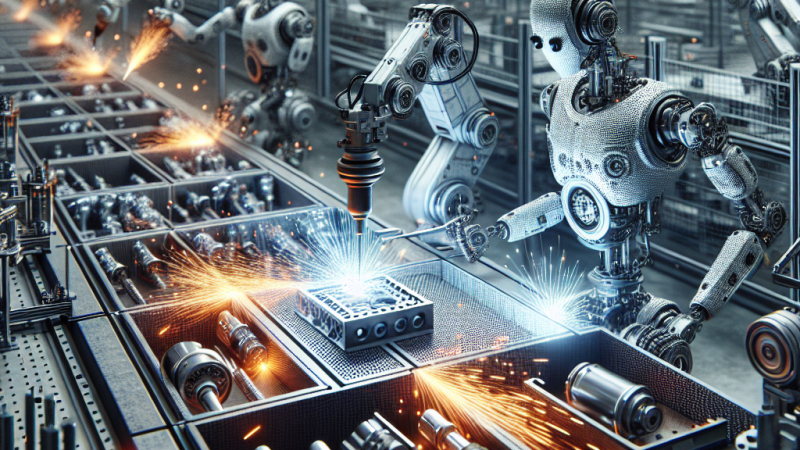
Automation and robotics are revolutionizing manufacturing processes in marine engineering. Automated welding, cutting, and assembly systems enhance precision and efficiency, reducing production times and costs.
3D Printing
3D printing, or additive manufacturing, is emerging as a game-changer in marine engineering. This technology allows for the rapid prototyping and production of complex components, enabling more innovative and customized designs.
Environmental Sustainability
Environmental sustainability is becoming a critical consideration in marine engineering. Advances in green technologies, such as hybrid propulsion systems and eco-friendly materials, are driving the development of more sustainable marine vessels.
Challenges and Considerations
Despite the advancements in manufacturing processes, several challenges and considerations remain in the field of marine engineering.
Corrosion and Material Degradation
The marine environment is highly corrosive, posing a significant challenge to material durability. Ongoing research is focused on developing more corrosion-resistant materials and protective coatings.
Cost and Resource Management
The construction of marine vessels is capital-intensive, requiring substantial financial and material resources. Efficient resource management and cost control are essential to ensure the economic viability of marine engineering projects.
Regulatory Compliance
Marine engineering is subject to stringent regulatory standards to ensure safety and environmental protection. Compliance with these regulations requires meticulous planning and execution of manufacturing processes.
Technological Integration
The integration of advanced technologies such as automation, robotics, and 3D printing presents both opportunities and challenges. Ensuring seamless integration and addressing potential technical issues are critical for successful implementation.
Conclusion
Manufacturing processes in marine engineering are integral to the design, construction, and maintenance of marine vessels. From material selection and fabrication to assembly and quality control, these processes ensure the structural integrity, performance, and safety of marine vessels. The historical development of marine engineering has been marked by significant advancements, and recent innovations continue to shape the future of the field.
Despite the challenges and considerations, the ongoing research and development in marine engineering hold promise for more efficient, sustainable, and innovative manufacturing processes. As the marine industry continues to evolve, the importance of manufacturing processes in marine engineering will remain paramount, driving progress and ensuring the continued success of this vital field.