Manufacturing Processes in Packaging Industry
Introduction
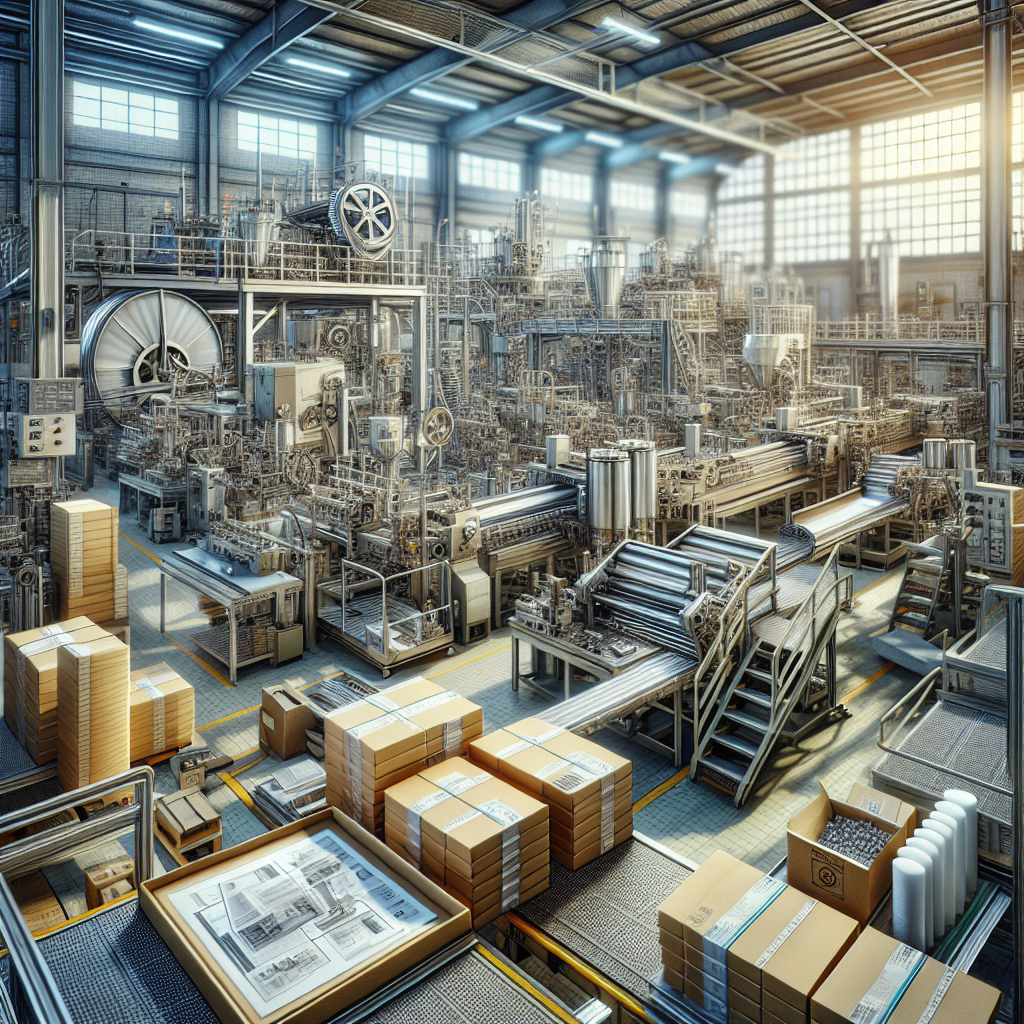
The packaging industry is a critical component of modern manufacturing processes, playing a pivotal role in ensuring the safe and efficient delivery of products from manufacturers to consumers. Packaging not only protects products from damage and contamination but also serves as a medium for branding and information dissemination. In the field of engineering, the manufacturing processes involved in packaging are of paramount importance due to their impact on product quality, cost-efficiency, and environmental sustainability. This article delves into the various manufacturing processes in the packaging industry, exploring their fundamentals, historical development, applications, advanced topics, challenges, and future trends.
Fundamentals
Basic Principles and Concepts
The manufacturing processes in the packaging industry encompass a wide range of activities, from the initial design and material selection to the final production and quality control. Key principles and concepts include:
- Material Selection: Choosing the appropriate materials (e.g., plastics, metals, paper, glass) based on the product’s requirements, such as durability, cost, and environmental impact.
- Design: Creating packaging designs that are functional, aesthetically pleasing, and compliant with regulatory standards.
- Production Techniques: Utilizing various manufacturing techniques such as injection molding, blow molding, thermoforming, and printing to produce packaging components.
- Quality Control: Implementing rigorous testing and inspection procedures to ensure that packaging meets specified standards and performs as intended.
Key Terms
- Injection Molding: A manufacturing process for producing parts by injecting molten material into a mold.
- Blow Molding: A process used to create hollow plastic parts by inflating a heated plastic tube until it fills a mold and forms the desired shape.
- Thermoforming: A manufacturing process where a plastic sheet is heated to a pliable forming temperature, shaped to a specific form in a mold, and trimmed to create a usable product.
- Flexography: A printing process that uses flexible relief plates to print on various substrates, including plastic, metallic films, cellophane, and paper.
Historical Development
The evolution of packaging manufacturing processes has been marked by significant milestones and contributions from notable figures in the field. The development of packaging can be traced back to ancient civilizations, where natural materials like leaves, animal skins, and woven fibers were used to protect and transport goods. However, the modern packaging industry began to take shape during the Industrial Revolution.
Key Milestones
- 19th Century: The invention of paperboard and corrugated cardboard revolutionized packaging by providing lightweight, durable, and cost-effective materials for shipping and storage.
- Early 20th Century: The introduction of plastics, such as cellophane and polyethylene, offered new possibilities for flexible and transparent packaging.
- Mid-20th Century: The development of advanced manufacturing techniques, including injection molding and blow molding, enabled mass production of complex packaging designs.
- Late 20th Century: The rise of automation and computer-aided design (CAD) systems improved precision and efficiency in packaging production.
Notable Figures
- Michael Faraday: His discovery of the process to produce polyethylene in 1933 laid the foundation for the widespread use of plastic packaging.
- Henry Bessemer: His development of the Bessemer process for steel production indirectly influenced the packaging industry by providing stronger and more affordable materials for containers and shipping.
Applications
The manufacturing processes in the packaging industry have diverse applications across various sectors. Packaging is essential for protecting products, extending shelf life, and enhancing consumer appeal. Here are some practical applications:
Food and Beverage Industry
Packaging in the food and beverage industry is crucial for preserving freshness, preventing contamination, and providing information about nutritional content and expiration dates. Examples include:
- Flexible Packaging: Used for snacks, frozen foods, and beverages, offering convenience and extended shelf life.
- Glass Bottles and Jars: Commonly used for beverages, sauces, and preserves, providing an airtight seal and protection from light.
Pharmaceutical Industry
In the pharmaceutical industry, packaging ensures the safety, efficacy, and integrity of medications. Examples include:
- Blister Packs: Used for tablets and capsules, providing individual compartments for each dose.
- Vials and Ampoules: Used for liquid medications, ensuring sterility and accurate dosing.
Consumer Goods
Packaging for consumer goods encompasses a wide range of products, from electronics to personal care items. Examples include:
- Clamshell Packaging: Used for electronics and small appliances, providing visibility and security.
- Aerosol Cans: Used for personal care products like deodorants and hair sprays, offering convenience and controlled dispensing.
Advanced Topics
Recent Research and Innovations
The packaging industry is continually evolving, driven by advancements in materials science, manufacturing technologies, and sustainability initiatives. Recent research and innovations include:
- Biodegradable and Compostable Materials: Development of eco-friendly packaging materials that reduce environmental impact and promote sustainability.
- Smart Packaging: Integration of sensors and indicators that provide real-time information about the condition and freshness of products.
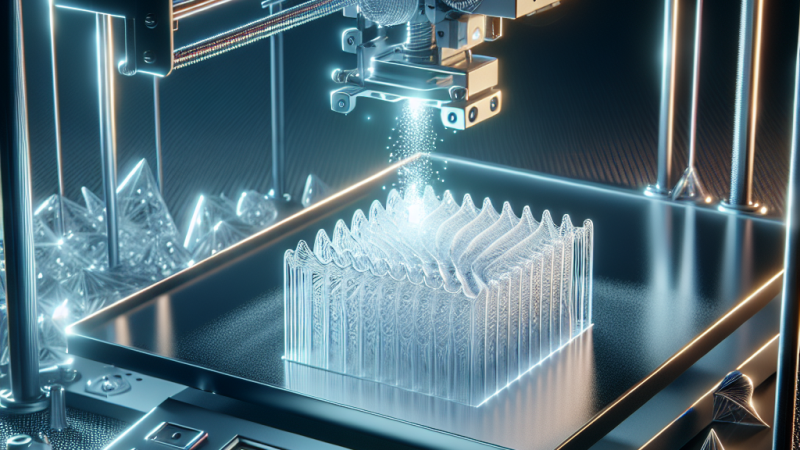
- 3D Printing: Utilization of additive manufacturing techniques to create customized and complex packaging designs with reduced waste.
Future Trends
The future of packaging manufacturing processes is likely to be shaped by several key trends:
- Automation and Robotics: Increased use of automated systems and robotics to enhance efficiency, precision, and scalability in packaging production.
- Digital Printing: Adoption of digital printing technologies for high-quality, on-demand packaging with reduced lead times and inventory costs.
- Circular Economy: Emphasis on designing packaging for recyclability and reusability, promoting a circular economy and reducing waste.
Challenges and Considerations
Despite the advancements in packaging manufacturing processes, several challenges and considerations remain:
Environmental Impact
The packaging industry faces significant scrutiny regarding its environmental impact. The production and disposal of packaging materials contribute to pollution and waste. Potential solutions include:
- Material Innovation: Developing sustainable materials that are biodegradable, recyclable, or made from renewable resources.
- Regulatory Compliance: Adhering to environmental regulations and standards to minimize the ecological footprint of packaging.
Cost Management
Balancing cost-efficiency with quality and sustainability is a constant challenge. Strategies to address this include:
- Process Optimization: Implementing lean manufacturing principles to reduce waste and improve efficiency.
- Supply Chain Management: Enhancing collaboration with suppliers and optimizing logistics to reduce costs.
Consumer Expectations
Meeting consumer expectations for convenience, safety, and sustainability requires continuous innovation and adaptation. Considerations include:
- User-Centric Design: Creating packaging that is easy to use, tamper-evident, and informative.
- Market Research: Conducting market research to understand consumer preferences and trends.
Conclusion
The manufacturing processes in the packaging industry are integral to the field of engineering, influencing product quality, cost-efficiency, and environmental sustainability. From the selection of materials and design to advanced production techniques and quality control, packaging plays a vital role in various industries. The historical development of packaging has been marked by significant milestones and contributions from notable figures, leading to the diverse and innovative applications we see today. As the industry continues to evolve, driven by advancements in technology and sustainability initiatives, it faces challenges that require innovative solutions and continuous improvement. Understanding the complexities and importance of packaging manufacturing processes is essential for engineers and industry professionals striving to meet the demands of a dynamic and ever-changing market.