Manufacturing Processes in Food Industry
Introduction
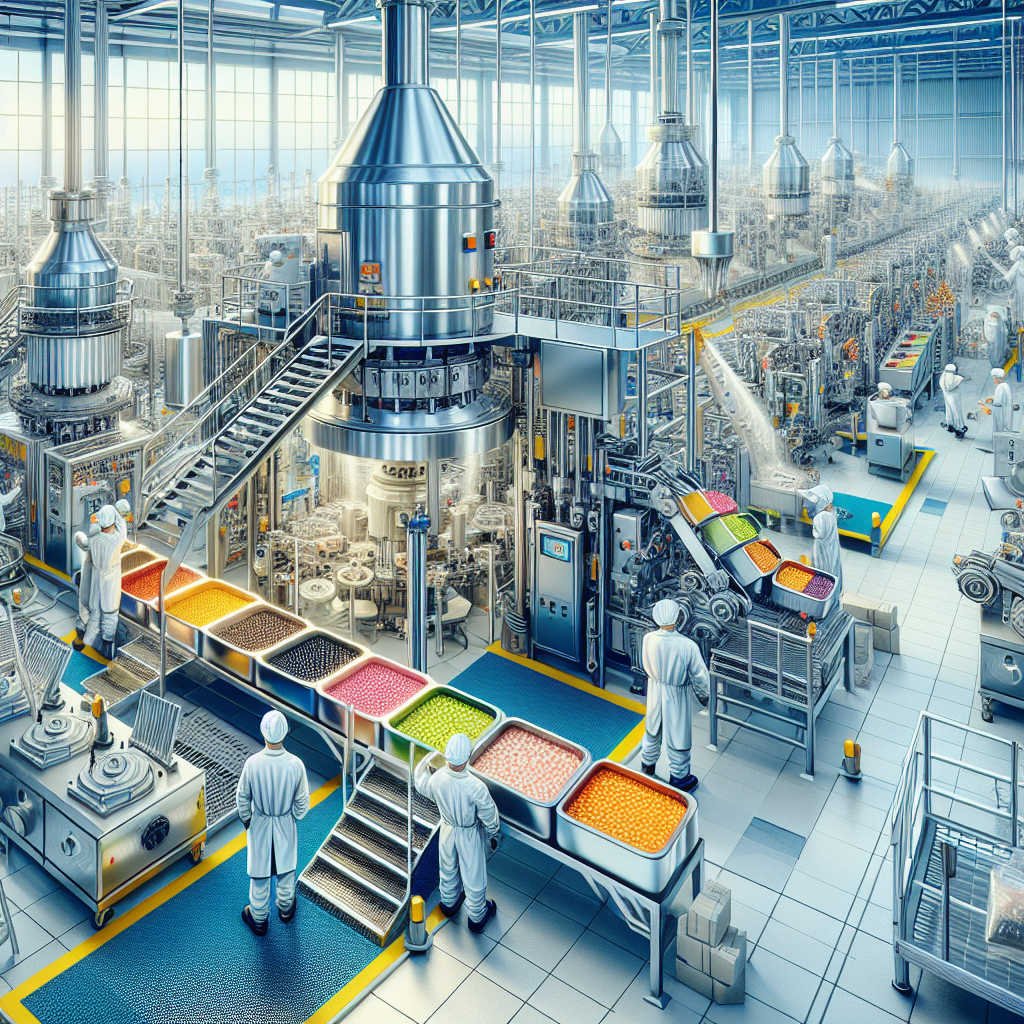
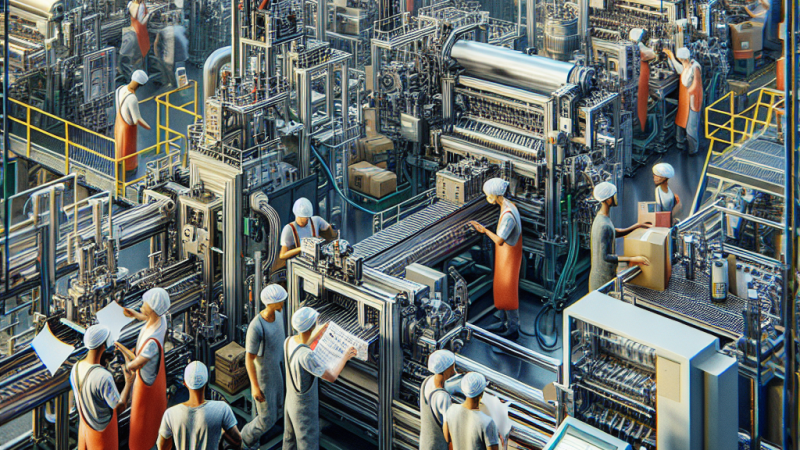
The food industry is a critical sector that intersects with various fields, including agriculture, chemistry, and engineering. Among these, the role of engineering, particularly in manufacturing processes, is paramount. Manufacturing processes in the food industry encompass a wide range of activities, from the initial preparation of raw materials to the final packaging of finished products. These processes are designed to ensure food safety, enhance product quality, and improve efficiency. Understanding these processes is essential for engineers, as it allows them to innovate and optimize production methods, ultimately contributing to the industry’s growth and sustainability.
Fundamentals
Manufacturing processes in the food industry are governed by several fundamental principles and concepts. These include:
Definitions
- Food Processing: The transformation of raw ingredients into food products through physical, chemical, or biological means.
- Unit Operations: Basic steps in food processing, such as mixing, heating, cooling, and packaging.
- Food Safety: Practices and protocols to prevent contamination and ensure that food products are safe for consumption.
Theories
Several theories underpin the manufacturing processes in the food industry:
- Heat Transfer: The movement of heat from one substance to another, crucial in processes like pasteurization and sterilization.
- Mass Transfer: The movement of substances within a system, important in drying, extraction, and fermentation.
- Fluid Dynamics: The study of fluid flow, essential in processes involving liquids and gases, such as mixing and pumping.
Key Terms
- Pasteurization: A heat treatment process that kills harmful microorganisms in food and beverages.
- Fermentation: A metabolic process that converts sugar to acids, gases, or alcohol, used in the production of bread, beer, and yogurt.
- Extrusion: A process where food material is forced through a die to create specific shapes and textures, commonly used in snack production.
Historical Development
The evolution of manufacturing processes in the food industry has been marked by significant milestones and contributions from notable figures:
Early Innovations
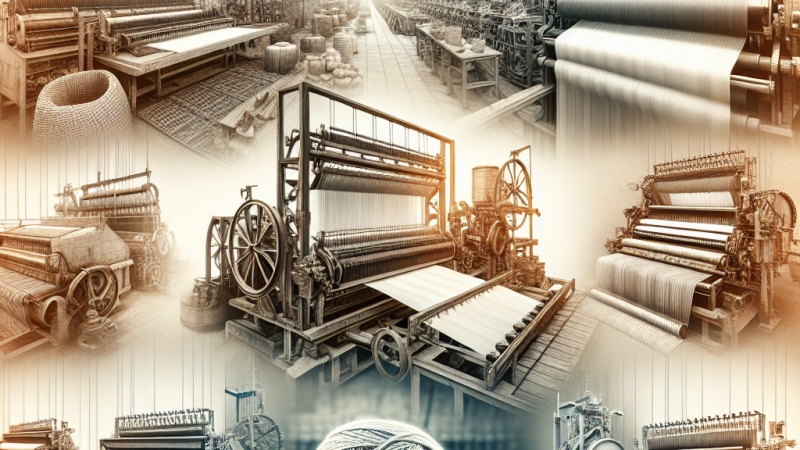
In the early days, food processing was primarily manual and labor-intensive. Techniques like drying, salting, and smoking were used to preserve food. The invention of canning by Nicolas Appert in the early 19th century revolutionized food preservation, allowing food to be stored for extended periods without spoilage.
Industrial Revolution
The Industrial Revolution brought about mechanization and mass production. Innovations such as the steam engine and mechanized mills enabled large-scale food production. The development of refrigeration by Carl von Linde in the late 19th century further transformed the industry by allowing perishable goods to be transported over long distances.
Modern Era
The 20th century saw the advent of advanced technologies like pasteurization, introduced by Louis Pasteur, and the development of food additives and preservatives. The rise of automation and computerization in the late 20th and early 21st centuries has further enhanced efficiency and precision in food manufacturing processes.
Applications
Manufacturing processes in the food industry have a wide range of applications across various sectors:
Dairy Industry
In the dairy industry, processes like pasteurization, homogenization, and fermentation are crucial. Pasteurization ensures the safety of milk and dairy products by killing harmful bacteria. Homogenization prevents the separation of cream from milk, ensuring a uniform product. Fermentation is used to produce yogurt, cheese, and other cultured dairy products.
Beverage Industry
The beverage industry relies on processes such as carbonation, filtration, and pasteurization. Carbonation adds carbon dioxide to beverages like soda and sparkling water, creating effervescence. Filtration removes impurities and ensures clarity in products like beer and wine. Pasteurization extends the shelf life of beverages by eliminating pathogens.
Snack Food Industry
Extrusion is a key process in the snack food industry. It involves forcing food material through a die to create specific shapes and textures. This process is used to produce items like chips, cereals, and pet food. Additionally, frying and baking are common methods for cooking and flavoring snack foods.
Case Studies
One notable case study is the implementation of High-Pressure Processing (HPP) in the production of ready-to-eat meals. HPP uses high pressure to kill bacteria without the need for heat, preserving the nutritional quality and flavor of the food. This technology has been successfully adopted by companies like Hormel Foods and Avure Technologies.
Advanced Topics
Recent advancements in manufacturing processes in the food industry have led to the development of innovative techniques and technologies:
3D Printing
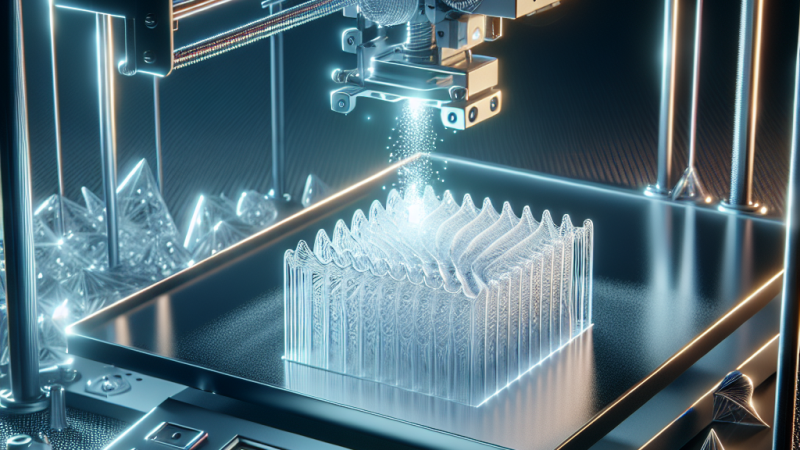
3D printing is an emerging technology in food manufacturing. It allows for the creation of complex shapes and customized food products by layering ingredients. This technology has potential applications in personalized nutrition, where meals can be tailored to individual dietary needs.
Nanotechnology
Nanotechnology involves manipulating materials at the nanoscale to enhance food quality and safety. For example, nanoparticles can be used to improve the delivery of nutrients and bioactive compounds in functional foods. Additionally, nanomaterials can be used in packaging to extend shelf life and detect contamination.
Artificial Intelligence (AI) and Machine Learning
AI and machine learning are being integrated into food manufacturing processes to optimize production and improve quality control. These technologies can analyze large datasets to identify patterns and predict outcomes, enabling more efficient resource management and reducing waste.
Challenges and Considerations
Despite the advancements, there are several challenges and considerations in the manufacturing processes of the food industry:
Food Safety
Ensuring food safety is a major concern. Contamination can occur at various stages of production, from raw material handling to packaging. Implementing stringent safety protocols and regular inspections is essential to prevent foodborne illnesses.
Sustainability
The food industry faces pressure to adopt sustainable practices. This includes reducing energy consumption, minimizing waste, and sourcing raw materials responsibly. Innovations like renewable energy and biodegradable packaging are being explored to address these challenges.
Regulatory Compliance
Compliance with regulations and standards is crucial in the food industry. Different countries have varying requirements for food safety, labeling, and quality. Manufacturers must stay updated with these regulations to avoid legal issues and ensure consumer trust.
Potential Solutions
To address these challenges, ongoing research and development are essential. Collaboration between industry, academia, and government agencies can lead to the development of new technologies and best practices. Additionally, investing in employee training and education can enhance the implementation of safety and sustainability measures.
Conclusion
Manufacturing processes in the food industry are a vital aspect of engineering that ensures the production of safe, high-quality food products. From historical innovations to modern advancements, these processes have evolved significantly, driven by the need for efficiency, safety, and sustainability. Understanding the fundamentals, applications, and challenges of these processes is crucial for engineers and industry professionals. As technology continues to advance, the food industry will undoubtedly see further innovations that will shape its future. By addressing current challenges and embracing new opportunities, the industry can continue to thrive and meet the growing demands of consumers worldwide.