Manufacturing Processes in Automotive Engineering
Introduction
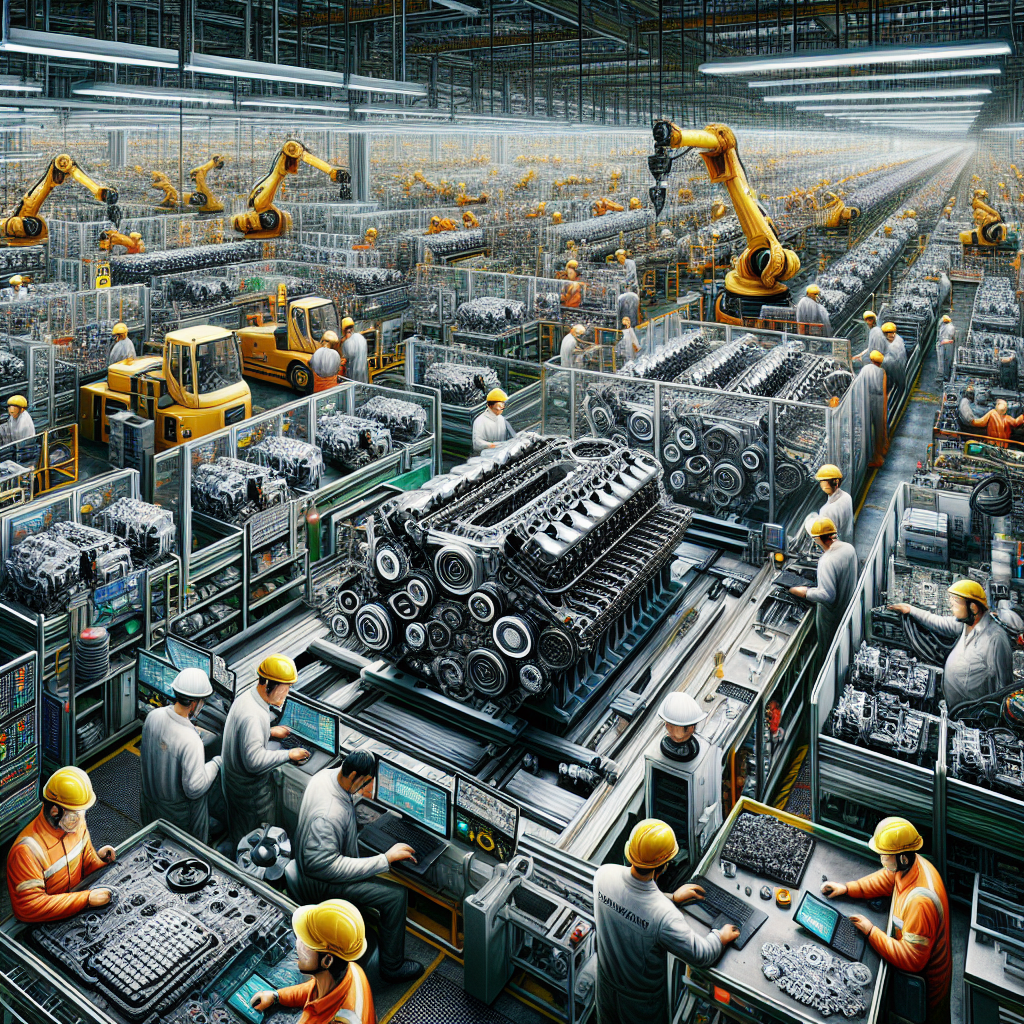
Manufacturing processes in automotive engineering are the backbone of the automotive industry, enabling the mass production of vehicles with high precision and efficiency. These processes encompass a wide range of techniques and technologies used to transform raw materials into finished automotive components and assemblies. The importance of manufacturing processes in automotive engineering cannot be overstated, as they directly impact the quality, performance, and cost-effectiveness of vehicles. This article delves into the various aspects of manufacturing processes in automotive engineering, highlighting their significance, historical development, applications, advanced topics, challenges, and future trends.
Fundamentals
Basic Principles and Concepts
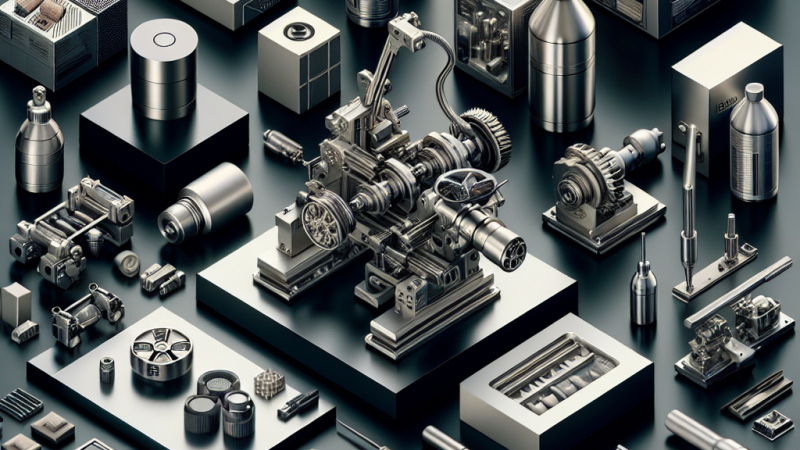
Manufacturing processes in automotive engineering involve a series of steps that convert raw materials into finished products. These processes can be broadly categorized into forming, machining, joining, and finishing. Each category encompasses several specific techniques, each with its own set of principles and applications.
Key Terms and Definitions
- Forming: The process of shaping materials using mechanical forces. Examples include stamping, forging, and extrusion.
- Machining: The process of removing material to achieve the desired shape and size. Examples include milling, turning, and drilling.
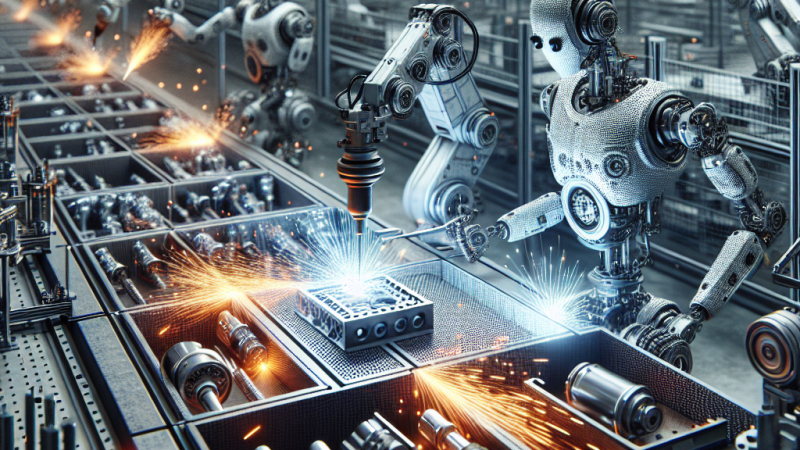
- Joining: The process of assembling components using techniques such as welding, brazing, and adhesive bonding.
- Finishing: The process of enhancing the surface quality and appearance of components. Examples include painting, coating, and polishing.
Theories and Concepts
Several theories underpin the various manufacturing processes in automotive engineering. For instance, the theory of plastic deformation is crucial for understanding forming processes, while the theory of material removal is fundamental to machining. Additionally, principles of heat transfer and metallurgy are essential for joining and finishing processes.
Historical Development
Early Innovations
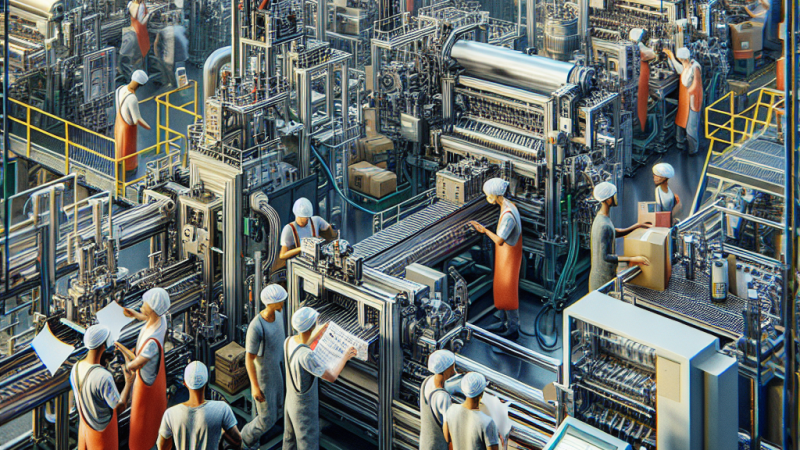
The history of manufacturing processes in automotive engineering dates back to the late 19th and early 20th centuries, with the advent of the automobile. Early innovations were driven by pioneers such as Henry Ford, who introduced the assembly line in 1913. This revolutionary approach significantly increased production efficiency and reduced costs, making automobiles more accessible to the general public.
Key Milestones
- 1913: Introduction of the assembly line by Henry Ford.
- 1940s: Development of advanced welding techniques during World War II.
- 1960s: Introduction of computer numerical control (CNC) machining.
- 1980s: Adoption of robotics in manufacturing processes.
- 2000s: Emergence of additive manufacturing (3D printing) technologies.
Notable Figures
Several notable figures have made significant contributions to the development of manufacturing processes in automotive engineering. Henry Ford is perhaps the most well-known, but others such as Eli Whitney, who pioneered the concept of interchangeable parts, and Ransom Olds, who developed the first mass-production assembly line, also played crucial roles.
Applications
Automotive Industry
The primary application of manufacturing processes in automotive engineering is, of course, the production of vehicles. This includes everything from small passenger cars to large commercial trucks. Key components such as engines, transmissions, chassis, and body panels are all produced using various manufacturing techniques.
Case Studies
One notable case study is the production of the Tesla Model S. Tesla employs a combination of traditional and advanced manufacturing processes, including high-pressure die casting for the chassis, CNC machining for precision components, and robotic welding for assembly. This blend of techniques allows Tesla to achieve high levels of quality and efficiency.
Other Industries
While the focus is on automotive engineering, the principles and techniques of manufacturing processes are also applicable in other industries such as aerospace, consumer electronics, and medical devices. For example, the aerospace industry uses advanced machining and joining techniques to produce high-precision components for aircraft.
Advanced Topics
Recent Research and Innovations
Recent research in manufacturing processes in automotive engineering has focused on several key areas, including:
- Lightweight Materials: The use of materials such as aluminum and carbon fiber to reduce vehicle weight and improve fuel efficiency.
- Advanced Robotics: The integration of collaborative robots (cobots) that work alongside human operators to enhance productivity and safety.
- Additive Manufacturing: The use of 3D printing to produce complex components with reduced lead times and material waste.
- Digital Twin Technology: The creation of digital replicas of physical manufacturing systems to optimize processes and predict maintenance needs.
Future Trends
The future of manufacturing processes in automotive engineering is likely to be shaped by several emerging trends, including:
- Industry 4.0: The integration of smart technologies such as the Internet of Things (IoT), artificial intelligence (AI), and big data analytics to create more efficient and flexible manufacturing systems.
- Sustainable Manufacturing: The adoption of eco-friendly practices and materials to reduce the environmental impact of automotive production.
- Customization: The ability to produce highly customized vehicles on a mass scale, driven by advances in digital manufacturing technologies.
Challenges and Considerations
Technical Challenges
Despite the advancements in manufacturing processes, several technical challenges remain. These include:
- Material Limitations: The need for new materials that offer better performance and sustainability.
- Process Integration: The challenge of integrating various manufacturing processes into a seamless production system.
- Quality Control: Ensuring consistent quality across all components and assemblies.
Economic Considerations
Economic factors also play a significant role in the adoption and implementation of manufacturing processes. These include:
- Cost: The high initial investment required for advanced manufacturing technologies.
- Return on Investment (ROI): The need to balance short-term costs with long-term benefits.
- Supply Chain Management: The complexity of managing a global supply chain for automotive components.
Potential Solutions
Several potential solutions can address these challenges:
- Research and Development: Continued investment in R&D to develop new materials and processes.
- Collaboration: Partnerships between industry, academia, and government to share knowledge and resources.
- Training and Education: Programs to train the next generation of engineers and technicians in advanced manufacturing techniques.
Conclusion
Manufacturing processes in automotive engineering are a critical component of the automotive industry, enabling the production of high-quality, cost-effective vehicles. From the early innovations of Henry Ford to the advanced technologies of today, these processes have evolved significantly, driven by continuous research and development. While challenges remain, the future of manufacturing processes in automotive engineering looks promising, with emerging trends such as Industry 4.0 and sustainable manufacturing set to shape the industry. As we move forward, the importance of these processes will only grow, underscoring their relevance in the field of Manufacturing Processes in Engineering.