Lean Manufacturing Principles
Introduction
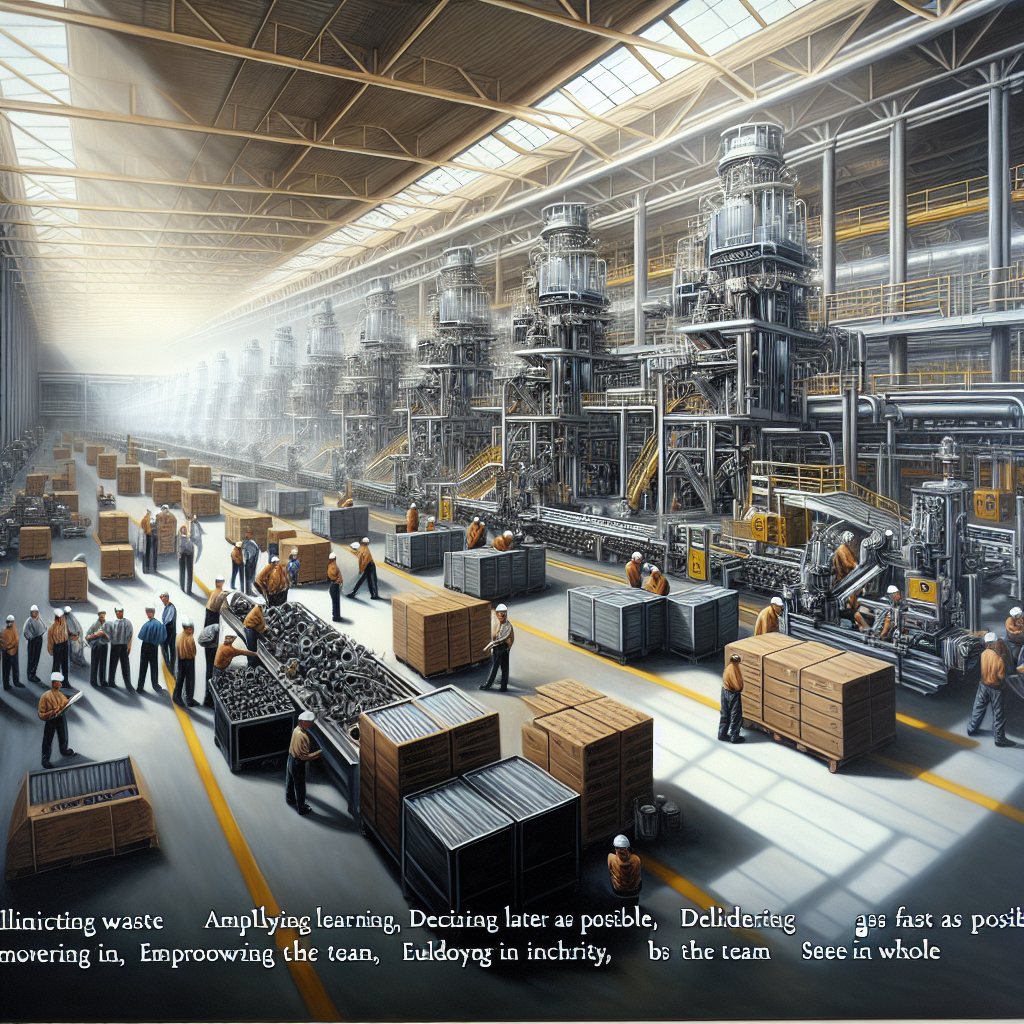
Lean Manufacturing Principles have become a cornerstone in the field of Manufacturing Processes in Engineering. Originating from the Japanese automotive industry, particularly Toyota, these principles aim to enhance efficiency, reduce waste, and improve overall productivity. In an era where global competition is fierce, and customer expectations are continually rising, the relevance of Lean Manufacturing cannot be overstated. This article delves into the fundamental principles, historical development, practical applications, advanced topics, and challenges associated with Lean Manufacturing, providing a comprehensive overview for engineers and industry professionals.
Fundamentals
Basic Principles and Concepts
Lean Manufacturing is built on several core principles designed to streamline production processes and eliminate waste. These principles include:
- Value: Define what constitutes value from the customer’s perspective.
- Value Stream: Map out all steps in the production process to identify and eliminate non-value-adding activities.
- Flow: Ensure that the production process flows smoothly without interruptions.
- Pull: Produce only what is needed when it is needed, based on customer demand.
- Perfection: Continuously strive for improvement in all aspects of the production process.
Key Terms
Several key terms are essential to understanding Lean Manufacturing:
- Kaizen: A philosophy of continuous improvement involving all employees.
- Kanban: A scheduling system that helps manage production and inventory levels.
- 5S: A workplace organization method that includes Sort, Set in order, Shine, Standardize, and Sustain.
- Jidoka: Automation with a human touch, allowing machines to stop automatically when a problem occurs.
- Heijunka: Production leveling to reduce variability and ensure a smooth workflow.
Historical Development
Origins and Evolution
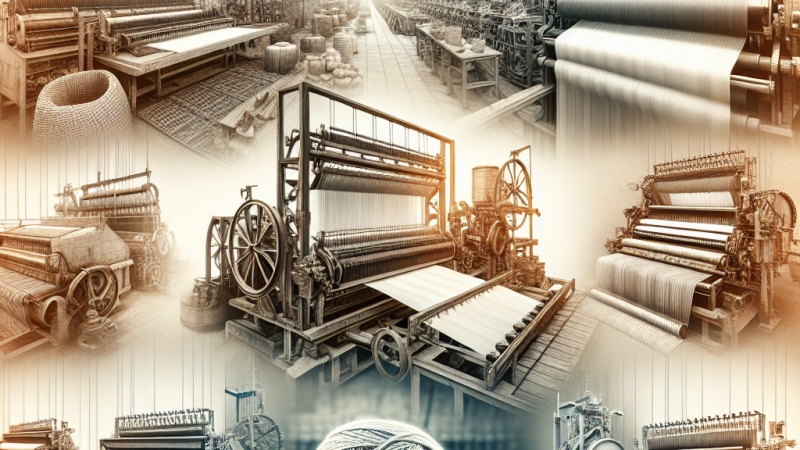
The roots of Lean Manufacturing can be traced back to the early 20th century with the introduction of the assembly line by Henry Ford. However, it was Toyota’s Taiichi Ohno and Shigeo Shingo who formalized the principles of Lean Manufacturing in the 1950s and 1960s. Their work led to the development of the Toyota Production System (TPS), which became the blueprint for Lean Manufacturing.
Key Milestones
- 1940s: Introduction of Just-In-Time (JIT) production by Toyota.
- 1950s: Development of the Toyota Production System (TPS).
- 1980s: Western companies begin adopting Lean principles, spurred by the publication of “The Machine That Changed the World” by Womack, Jones, and Roos.
- 1990s: Lean principles are applied beyond manufacturing to sectors like healthcare, software development, and services.
Applications
Industry Applications
Lean Manufacturing principles have been successfully applied across various industries, including:
- Automotive: Toyota’s implementation of Lean principles has set a benchmark for the industry.
- Aerospace: Companies like Boeing have adopted Lean to streamline their production processes.
- Healthcare: Hospitals use Lean to improve patient care and reduce wait times.
- Software Development: Agile methodologies incorporate Lean principles to enhance software development processes.
- Retail: Retail giants like Walmart use Lean to optimize their supply chain and inventory management.
Case Studies
One notable case study is Toyota’s application of Lean principles, which allowed the company to become one of the most efficient and profitable automotive manufacturers globally. Another example is Boeing’s implementation of Lean in its 737 production line, resulting in significant cost savings and reduced production times.
Advanced Topics
Recent Research and Innovations
Recent research in Lean Manufacturing has focused on integrating digital technologies such as the Internet of Things (IoT), Artificial Intelligence (AI), and Big Data analytics to further enhance efficiency and productivity. These technologies enable real-time monitoring and predictive maintenance, reducing downtime and improving overall equipment effectiveness (OEE).
Future Trends
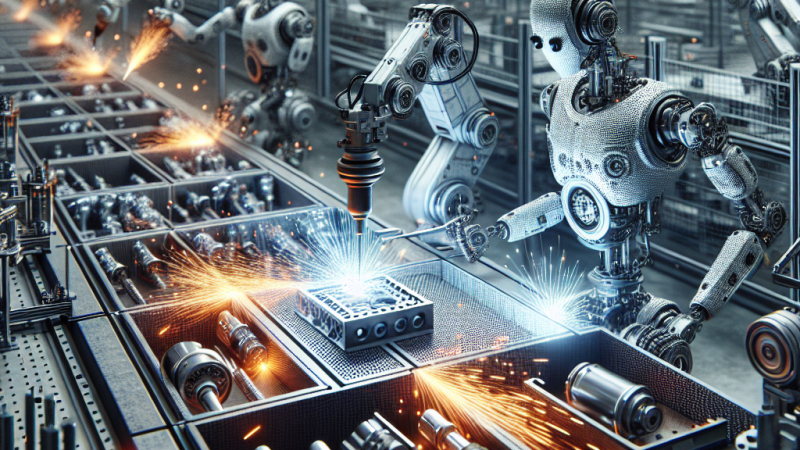
The future of Lean Manufacturing lies in its ability to adapt to Industry 4.0. The integration of cyber-physical systems, smart factories, and advanced robotics will further revolutionize manufacturing processes. Additionally, the emphasis on sustainability and green manufacturing is driving innovations in Lean practices to minimize environmental impact.
Challenges and Considerations
Common Challenges
Despite its numerous benefits, implementing Lean Manufacturing is not without challenges:
- Resistance to Change: Employees and management may resist changes to established processes.
- Initial Costs: Implementing Lean principles can require significant upfront investment in training and technology.
- Complexity: Mapping value streams and identifying waste can be complex and time-consuming.
- Sustainability: Maintaining Lean practices over the long term requires continuous effort and commitment.
Potential Solutions
To overcome these challenges, organizations can:
- Engage Leadership: Ensure that top management is committed to Lean principles.
- Provide Training: Invest in comprehensive training programs for employees at all levels.
- Start Small: Begin with pilot projects to demonstrate the benefits of Lean before scaling up.
- Foster a Culture of Continuous Improvement: Encourage employees to identify and suggest improvements regularly.
Conclusion
Lean Manufacturing Principles have revolutionized the field of Manufacturing Processes in Engineering. By focusing on value, eliminating waste, and striving for continuous improvement, Lean principles have enabled organizations to enhance efficiency, reduce costs, and improve product quality. While challenges exist, the benefits of Lean Manufacturing far outweigh the obstacles, making it an essential strategy for any organization looking to thrive in today’s competitive landscape. As technology continues to evolve, the integration of Lean principles with digital innovations will further propel the manufacturing industry into a new era of efficiency and productivity.