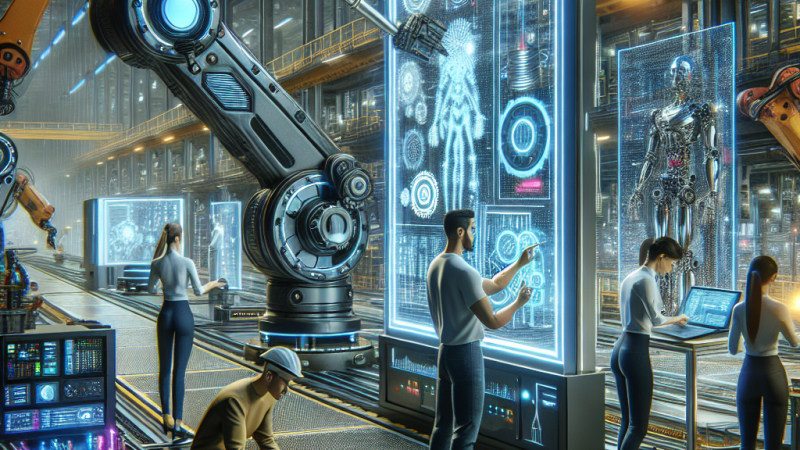
Introduction to Industrial Engineering
Introduction to Industrial Engineering
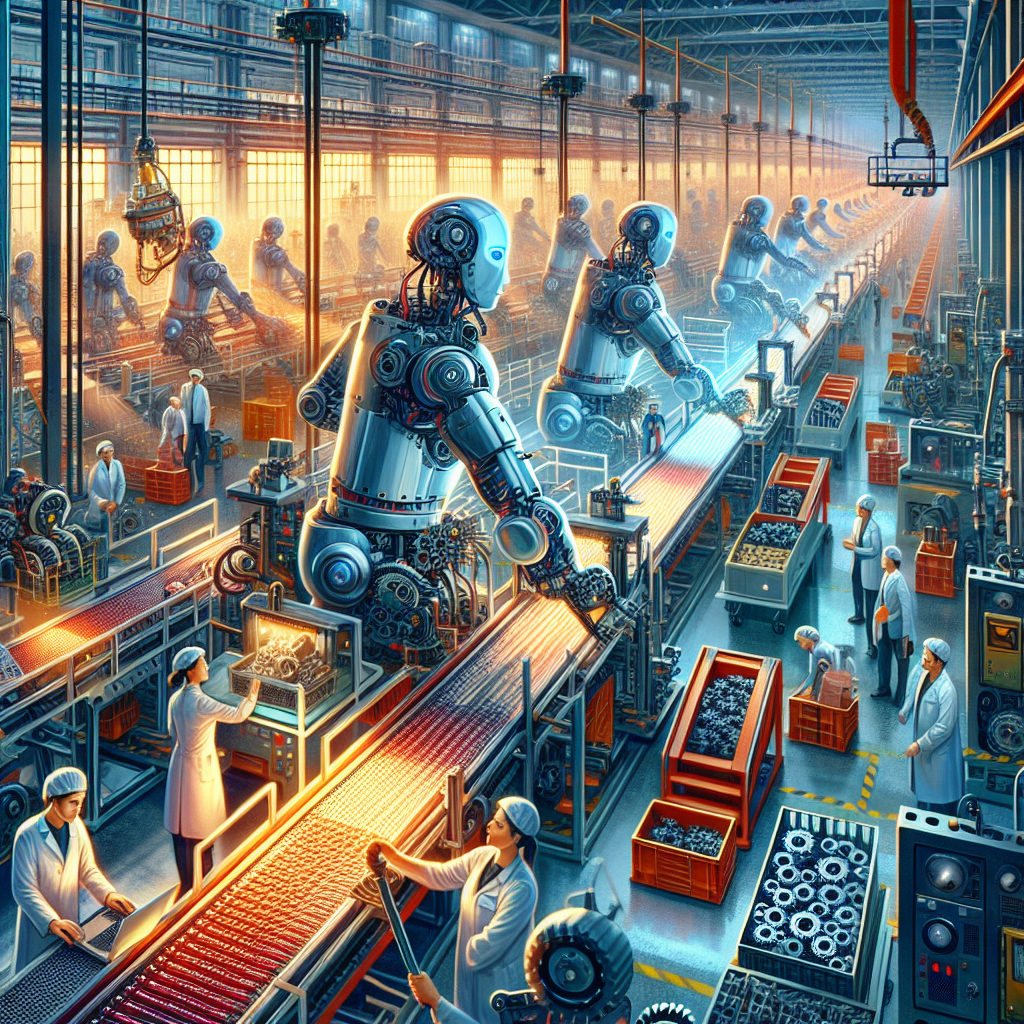
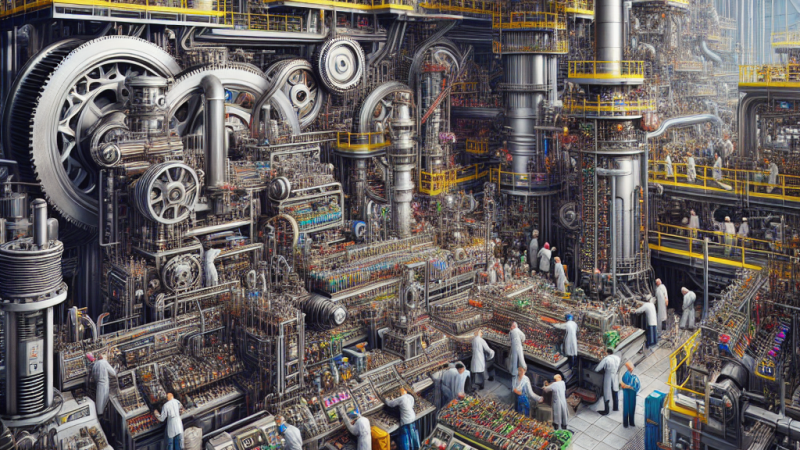
Industrial Engineering (IE) is a multifaceted discipline that focuses on optimizing complex processes, systems, and organizations. It integrates principles from engineering, mathematics, and social sciences to improve efficiency, productivity, and quality in various industries. The importance of Industrial Engineering lies in its ability to streamline operations, reduce costs, and enhance overall performance, making it a critical field in the modern industrial landscape.
Fundamentals
Basic Principles and Concepts
Industrial Engineering is grounded in several core principles and concepts:
- Systems Thinking: This involves understanding and analyzing the interrelationships between different components of a system to optimize overall performance.
- Process Optimization: Techniques such as Lean Manufacturing and Six Sigma are used to eliminate waste and reduce variability in processes.
- Human Factors: Also known as ergonomics, this focuses on designing systems that are efficient and comfortable for human use.
- Operations Research: This involves the application of mathematical models and analytical methods to decision-making and problem-solving.
- Quality Control: Ensuring that products and services meet specified standards through various quality assurance techniques.
Key Terms
- Lean Manufacturing: A methodology that focuses on minimizing waste within manufacturing systems while simultaneously maximizing productivity.
- Six Sigma: A set of techniques and tools for process improvement, aimed at reducing defects and variability.
- Ergonomics: The study of people’s efficiency in their working environment.
- Supply Chain Management: The management of the flow of goods and services from raw materials to the end customer.
- Operations Research: The use of advanced analytical methods to help make better decisions.
Historical Development
The field of Industrial Engineering has evolved significantly over the years. Its roots can be traced back to the Industrial Revolution in the late 18th and early 19th centuries, which marked a shift from manual labor to mechanized production.
Key Milestones
- Frederick Taylor (1856-1915): Known as the father of scientific management, Taylor introduced time and motion studies to improve labor productivity.
- Frank and Lillian Gilbreth: Pioneers in the field of motion study and ergonomics, they developed techniques to improve worker efficiency and reduce fatigue.
- Henry Ford (1863-1947): Revolutionized manufacturing with the introduction of the assembly line, significantly reducing production time and costs.
- Post-World War II: The development of operations research and the introduction of computers further advanced the field, enabling more complex analyses and optimizations.
Applications
Industrial Engineering has a wide range of applications across various industries. Here are some notable examples:
Manufacturing
In manufacturing, Industrial Engineers work to optimize production processes, improve quality control, and reduce waste. Techniques such as Lean Manufacturing and Six Sigma are commonly employed to achieve these goals. For instance, Toyota’s implementation of Lean principles has been widely studied and emulated in the automotive industry.
Healthcare
In healthcare, Industrial Engineers focus on improving patient flow, reducing wait times, and enhancing the overall efficiency of healthcare delivery systems. For example, the application of operations research techniques has helped hospitals optimize their scheduling and resource allocation, leading to better patient outcomes.
Supply Chain Management
Industrial Engineers play a crucial role in supply chain management by optimizing the flow of goods and services from suppliers to customers. This involves inventory management, logistics planning, and demand forecasting. Companies like Amazon have leveraged advanced algorithms and data analytics to create highly efficient supply chains.
Service Industries
In service industries such as banking, retail, and hospitality, Industrial Engineers work to improve customer service, streamline operations, and enhance overall efficiency. For example, banks use queuing theory to manage customer wait times and improve service delivery.
Advanced Topics
Recent Research and Innovations
The field of Industrial Engineering is continually evolving, with recent research and innovations focusing on areas such as:
- Industry 4.0: The integration of digital technologies such as the Internet of Things (IoT), artificial intelligence (AI), and big data analytics into manufacturing and industrial processes.
- Smart Manufacturing: The use of advanced sensors, robotics, and automation to create more flexible and efficient manufacturing systems.
- Sustainable Engineering: Developing environmentally friendly processes and systems to reduce the ecological footprint of industrial activities.
- Human-Robot Collaboration: Enhancing the interaction between humans and robots to improve productivity and safety in industrial settings.
Future Trends
Looking ahead, several trends are likely to shape the future of Industrial Engineering:
- Increased Automation: The continued advancement of robotics and AI will lead to higher levels of automation in various industries.
- Data-Driven Decision Making: The growing availability of big data will enable more informed and precise decision-making processes.
- Customization and Flexibility: The demand for customized products and services will drive the need for more flexible and adaptive manufacturing systems.
- Sustainability: There will be a greater emphasis on developing sustainable practices to address environmental concerns.
Challenges and Considerations
Despite its many benefits, Industrial Engineering faces several challenges and considerations:
Challenges
- Complexity: Industrial systems are often highly complex, making it difficult to identify and implement optimal solutions.
- Resistance to Change: Implementing new processes and technologies can encounter resistance from employees and stakeholders.
- Data Quality: The effectiveness of data-driven decision-making depends on the availability and quality of data.
- Ethical Considerations: The use of automation and AI raises ethical concerns related to job displacement and privacy.
Potential Solutions
- Education and Training: Providing ongoing education and training to employees can help overcome resistance to change.
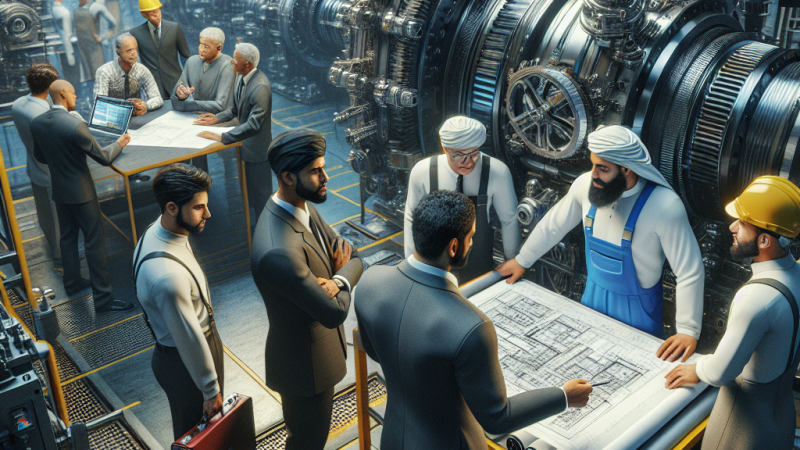
- Collaboration: Encouraging collaboration between different departments and stakeholders can lead to more effective solutions.
- Data Management: Implementing robust data management practices can improve the quality and reliability of data.
- Ethical Guidelines: Developing and adhering to ethical guidelines can help address concerns related to automation and AI.
Conclusion
Industrial Engineering is a vital field that plays a crucial role in optimizing processes, systems, and organizations across various industries. By integrating principles from engineering, mathematics, and social sciences, Industrial Engineers work to improve efficiency, productivity, and quality. The field has a rich historical background and continues to evolve with advancements in technology and research. Despite facing several challenges, Industrial Engineering offers numerous opportunities for innovation and improvement. As industries continue to grow and evolve, the importance of Industrial Engineering in enhancing performance and sustainability will only increase.