Introduction to Engineering Design
Introduction to Engineering Design
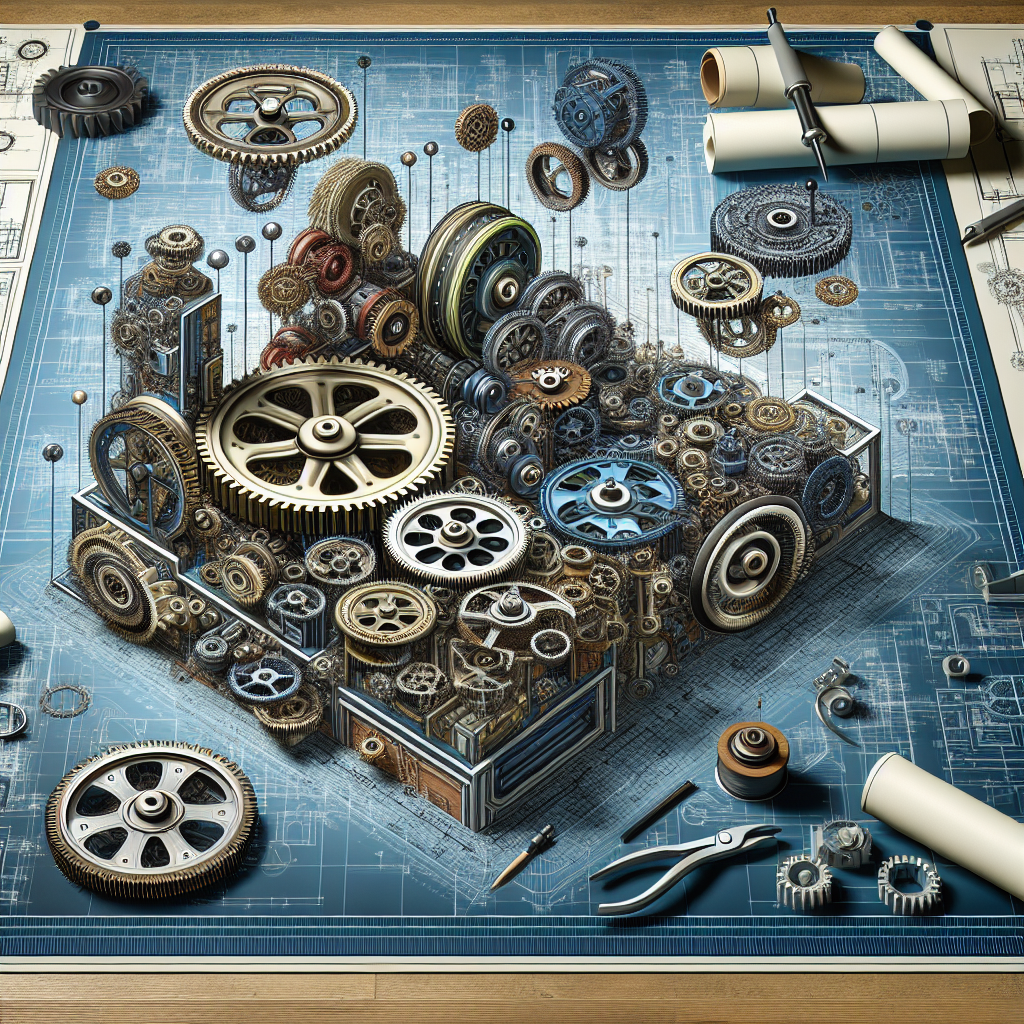
Engineering design is a cornerstone of the engineering profession, encompassing the creative and systematic application of scientific and mathematical principles to develop solutions to complex problems. It is a multidisciplinary field that integrates knowledge from various engineering disciplines, including mechanical, electrical, civil, and chemical engineering, to create innovative products, systems, and processes. The importance of engineering design cannot be overstated, as it drives technological advancements, improves quality of life, and addresses global challenges such as sustainability and resource management.
Fundamentals
Basic Principles and Concepts
At its core, engineering design involves a series of steps that engineers follow to come up with a solution to a problem. These steps are often referred to as the engineering design process, which typically includes the following stages:
- Problem Definition: Clearly defining the problem to be solved, including identifying the needs and constraints.
- Research and Analysis: Gathering information, analyzing existing solutions, and understanding the context of the problem.
- Concept Generation: Brainstorming and developing multiple potential solutions.
- Evaluation and Selection: Assessing the feasibility, risks, and benefits of each concept to select the best solution.
- Detailed Design: Creating detailed plans, drawings, and specifications for the chosen solution.
- Prototyping and Testing: Building and testing prototypes to validate the design and make necessary adjustments.
- Implementation: Bringing the final design to life through manufacturing or construction.
- Evaluation and Iteration: Continuously evaluating the solution and making improvements as needed.
Key Terms
- Design Criteria: The requirements and specifications that a design must meet.
- Constraints: The limitations or restrictions that must be considered in the design process.
- Feasibility Study: An assessment of the practicality and viability of a proposed solution.
- Prototype: A preliminary model or version of a product used for testing and evaluation.
- Optimization: The process of making a design as effective or functional as possible within given constraints.
Historical Development
The history of engineering design is rich with innovation and progress. From the ancient civilizations that built monumental structures to the modern era of digital technology, engineering design has evolved significantly over time.
Key Milestones
- Ancient Engineering: Early examples of engineering design include the construction of the pyramids in Egypt, the aqueducts in Rome, and the Great Wall of China. These structures required advanced knowledge of mathematics, materials, and construction techniques.
- Industrial Revolution: The 18th and 19th centuries saw significant advancements in engineering design with the development of machinery, steam engines, and mass production techniques. Notable figures such as James Watt and Isambard Kingdom Brunel made significant contributions during this period.
- 20th Century: The 20th century brought about rapid technological advancements, including the development of automobiles, airplanes, and computers. Engineers like Henry Ford, who revolutionized manufacturing with the assembly line, and Nikola Tesla, who made groundbreaking contributions to electrical engineering, played pivotal roles.
- Modern Era: Today, engineering design is characterized by the integration of digital tools, computer-aided design (CAD) software, and advanced materials. Innovations in fields such as aerospace, biomedical engineering, and renewable energy continue to push the boundaries of what is possible.
Applications
Engineering design has a wide range of applications across various industries and fields. Here are some notable examples:
Automotive Industry
In the automotive industry, engineering design is crucial for developing new vehicles, improving fuel efficiency, and enhancing safety features. For instance, the design of electric vehicles (EVs) involves optimizing battery performance, aerodynamics, and lightweight materials to achieve better range and efficiency.
Aerospace Industry
The aerospace industry relies heavily on engineering design to create aircraft, spacecraft, and satellites. Engineers must consider factors such as aerodynamics, structural integrity, and propulsion systems. The development of the SpaceX Falcon 9 rocket is a prime example of innovative engineering design in aerospace.
Biomedical Engineering
Biomedical engineering design focuses on developing medical devices, prosthetics, and diagnostic equipment. For example, the design of artificial heart valves requires a deep understanding of human anatomy, materials science, and fluid dynamics to ensure functionality and biocompatibility.
Renewable Energy
Engineering design plays a vital role in the development of renewable energy technologies such as wind turbines, solar panels, and hydroelectric systems. Engineers must optimize these designs to maximize energy output, reduce costs, and minimize environmental impact.
Advanced Topics
Recent Research and Innovations
Recent advancements in engineering design are driven by emerging technologies and interdisciplinary research. Some of the cutting-edge topics include:
- Artificial Intelligence (AI) in Design: AI and machine learning algorithms are being used to optimize design processes, predict performance, and generate innovative solutions. For example, generative design software uses AI to create multiple design iterations based on specified criteria.
- 3D Printing: Additive manufacturing, or 3D printing, allows for the creation of complex geometries and customized parts. This technology is revolutionizing industries such as aerospace, healthcare, and automotive by enabling rapid prototyping and reducing material waste.
- Smart Materials: The development of smart materials that can change properties in response to external stimuli (e.g., temperature, pressure) is opening new possibilities in engineering design. Applications include self-healing materials and adaptive structures.
- Sustainable Design: There is a growing emphasis on sustainable engineering design to address environmental challenges. This includes designing products with a focus on energy efficiency, recyclability, and minimal environmental impact.
Challenges and Considerations
While engineering design offers numerous opportunities, it also presents several challenges and considerations:
Complexity and Uncertainty
Engineering design often involves complex systems with many interdependent components. Managing this complexity and dealing with uncertainties in material properties, environmental conditions, and user requirements can be challenging.
Cost and Resource Constraints
Designing within budgetary and resource constraints is a common challenge. Engineers must balance cost-effectiveness with performance and quality, often requiring innovative solutions to optimize resource use.
Regulatory and Safety Standards
Compliance with regulatory and safety standards is critical in engineering design. Engineers must ensure that their designs meet all relevant regulations and standards to protect public safety and avoid legal issues.
Ethical Considerations
Ethical considerations play a significant role in engineering design. Engineers must consider the potential social, environmental, and economic impacts of their designs and strive to make responsible and ethical decisions.
Potential Solutions and Future Research
Addressing these challenges requires ongoing research and innovation. Potential solutions include the development of advanced simulation tools, improved materials, and more efficient design methodologies. Collaboration between academia, industry, and government can also drive progress in addressing these challenges.
Conclusion
Engineering design is a dynamic and essential field that drives innovation and progress across various industries. By understanding the fundamental principles, historical development, practical applications, advanced topics, and challenges associated with engineering design, engineers can create effective solutions to complex problems. As technology continues to evolve, the importance of engineering design will only grow, making it a critical area of focus for future research and development. Ultimately, engineering design not only shapes the world we live in but also holds the potential to address some of the most pressing challenges facing humanity today.