Introduction to Biomechanical Engineering
Introduction to Biomechanical Engineering
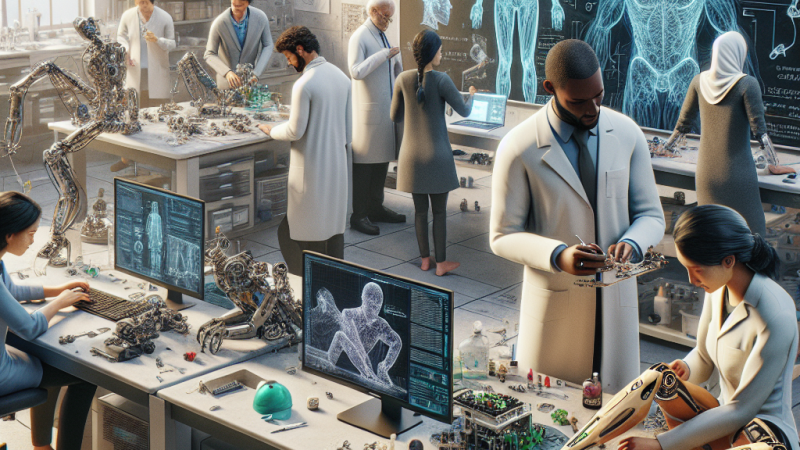
Biomechanical Engineering is a multidisciplinary field that merges principles of mechanics with biological systems to solve complex problems in medicine, biology, and engineering. This field is crucial for developing innovative solutions that improve human health, enhance athletic performance, and create advanced medical devices. By understanding the mechanical aspects of biological systems, engineers can design prosthetics, implants, and diagnostic tools that are more effective and efficient. The relevance of Biomechanical Engineering in modern engineering cannot be overstated, as it bridges the gap between technology and human physiology, leading to groundbreaking advancements in healthcare and beyond.
Fundamentals
Basic Principles and Concepts
Biomechanical Engineering is grounded in several fundamental principles and concepts that are essential for understanding the field:
- Mechanics: The study of forces and their effects on matter. In biomechanics, this involves analyzing how forces interact with biological tissues.
- Biology: Understanding the structure and function of biological systems, from cellular to organ level.
- Material Science: Investigating the properties of materials used in medical devices and implants, ensuring they are biocompatible and durable.
- Systems Engineering: Integrating various components and processes to create functional and efficient systems.
Key Terms
- Biomechanics: The study of the mechanical laws relating to the movement or structure of living organisms.
- Prosthetics: Artificial devices that replace missing body parts.
- Orthotics: Devices that support or correct the function of a limb or the torso.
- Biocompatibility: The ability of a material to perform with an appropriate host response in a specific application.
- Finite Element Analysis (FEA): A computational technique used to predict how objects react to external forces, vibration, heat, and other physical effects.
Historical Development
The field of Biomechanical Engineering has a rich history, marked by significant milestones and contributions from notable figures:
- Ancient Times: Early prosthetics date back to ancient Egypt, where wooden toes and other simple devices were used.
- Renaissance: Leonardo da Vinci’s anatomical studies laid the groundwork for understanding human biomechanics.
- 19th Century: The Industrial Revolution brought advancements in materials and manufacturing, leading to more sophisticated prosthetics and orthotics.
- 20th Century: The development of modern biomechanics began with the work of scientists like Wilhelm Braune and Otto Fischer, who studied human gait using motion capture techniques.
- Late 20th Century: The advent of computer technology revolutionized the field, enabling complex simulations and the design of advanced medical devices.
Notable figures in the field include:
- Giovanni Borelli: Often considered the father of biomechanics, Borelli’s work in the 17th century laid the foundation for the mechanical analysis of movement.
- Hugh Herr: A contemporary biomechanical engineer known for his work in bionics and the development of advanced prosthetic limbs.
Applications
Biomechanical Engineering has a wide range of practical applications across various industries and fields:
Medical Devices
One of the most significant applications is in the design and development of medical devices. Examples include:
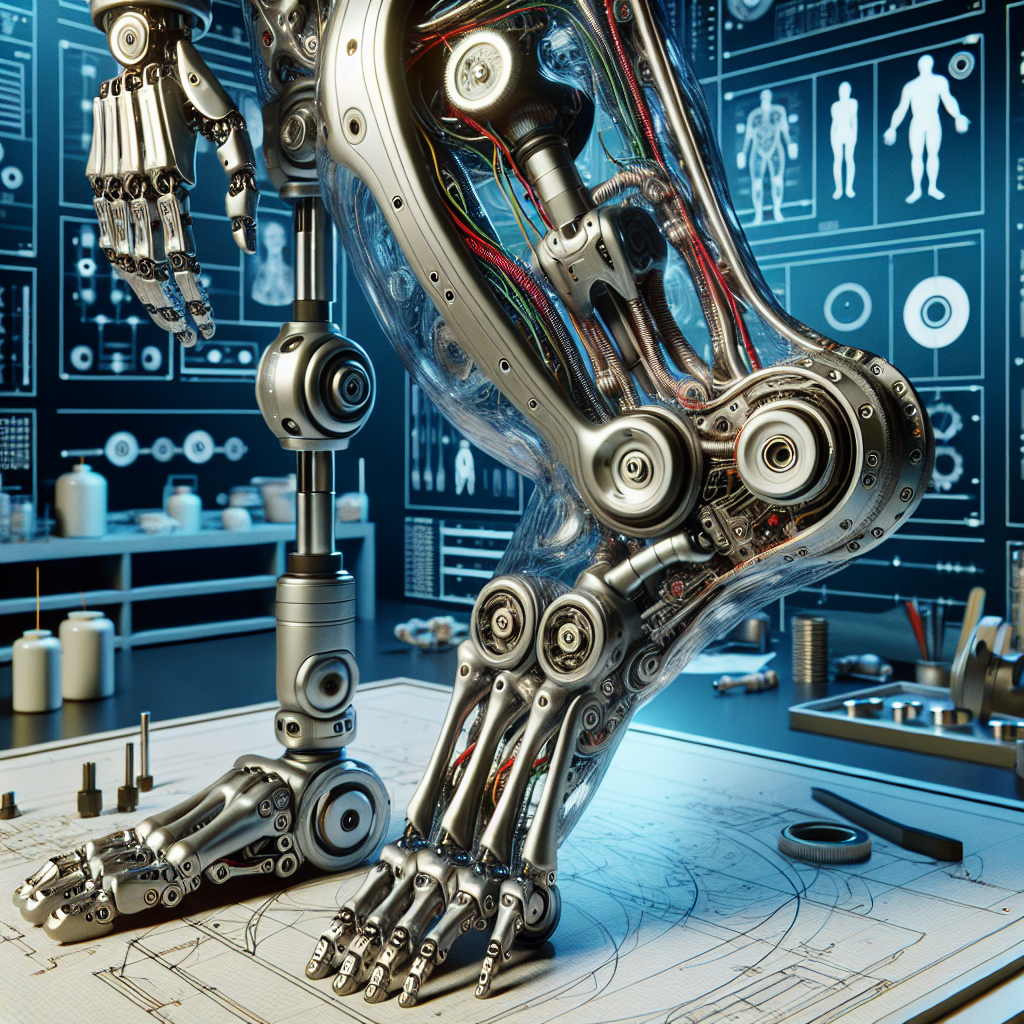
- Prosthetics: Advanced prosthetic limbs that mimic natural movement and provide better functionality for amputees.
- Orthopedic Implants: Joint replacements, such as hip and knee implants, designed to restore mobility and reduce pain.
- Cardiovascular Devices: Stents, pacemakers, and artificial heart valves that improve cardiovascular health.
Sports Engineering
Biomechanical Engineering is also crucial in sports engineering, where it helps enhance athletic performance and prevent injuries. Examples include:
- Performance Analysis: Using motion capture and analysis to optimize athletes’ techniques and improve performance.
- Equipment Design: Developing sports equipment, such as running shoes and protective gear, that enhances performance and reduces injury risk.
Rehabilitation Engineering
This field focuses on developing technologies and devices that assist individuals with disabilities. Examples include:
- Exoskeletons: Wearable robotic devices that help individuals with mobility impairments walk and perform daily activities.
- Assistive Devices: Tools and devices, such as wheelchairs and communication aids, that improve the quality of life for individuals with disabilities.
Advanced Topics
As the field of Biomechanical Engineering continues to evolve, several advanced concepts and techniques have emerged:
Computational Biomechanics
This area involves using computer simulations to model and analyze biological systems. Recent advancements include:
- Finite Element Analysis (FEA): Used to predict how biological tissues respond to mechanical forces, aiding in the design of implants and prosthetics.
- Multiscale Modeling: Integrating data from different scales, from molecular to organ level, to create comprehensive models of biological systems.
Tissue Engineering
This interdisciplinary field combines principles of biology and engineering to develop artificial tissues and organs. Recent innovations include:
- 3D Bioprinting: Using 3D printing technology to create complex tissue structures with precise control over cell placement.
- Scaffold Design: Developing biocompatible scaffolds that support cell growth and tissue regeneration.
Wearable Technology
Wearable devices that monitor and analyze biomechanical data are becoming increasingly popular. Examples include:
- Fitness Trackers: Devices that monitor physical activity, heart rate, and other health metrics.
- Smart Clothing: Garments embedded with sensors that provide real-time feedback on movement and posture.
Challenges and Considerations
Despite its many advancements, Biomechanical Engineering faces several challenges and considerations:
Biocompatibility
Ensuring that materials used in medical devices are biocompatible is crucial. Potential solutions include:
- Material Innovation: Developing new materials that are more compatible with biological tissues.
- Surface Modification: Altering the surface properties of materials to improve their interaction with biological tissues.
Ethical Considerations
The development and use of biomechanical technologies raise several ethical issues, such as:
- Privacy: Ensuring that data collected by wearable devices is secure and used ethically.
- Accessibility: Making advanced biomechanical technologies available to all individuals, regardless of socioeconomic status.
Regulatory Challenges
Ensuring that biomechanical devices meet regulatory standards is essential for their safe and effective use. Potential solutions include:
- Standardization: Developing standardized testing protocols and guidelines for biomechanical devices.
- Collaboration: Working with regulatory bodies to ensure that new technologies meet safety and efficacy standards.
Conclusion
Biomechanical Engineering is a dynamic and rapidly evolving field that plays a crucial role in modern engineering and healthcare. By merging principles of mechanics with biological systems, this field has led to significant advancements in medical devices, sports engineering, and rehabilitation technologies. Despite its many challenges, ongoing research and innovation continue to push the boundaries of what is possible, promising a future where biomechanical technologies improve the quality of life for individuals worldwide. As we continue to explore the complexities of biological systems, the importance of Biomechanical Engineering in engineering will only continue to grow, driving progress and innovation in numerous fields.