Industrial Engineering in Healthcare
Introduction
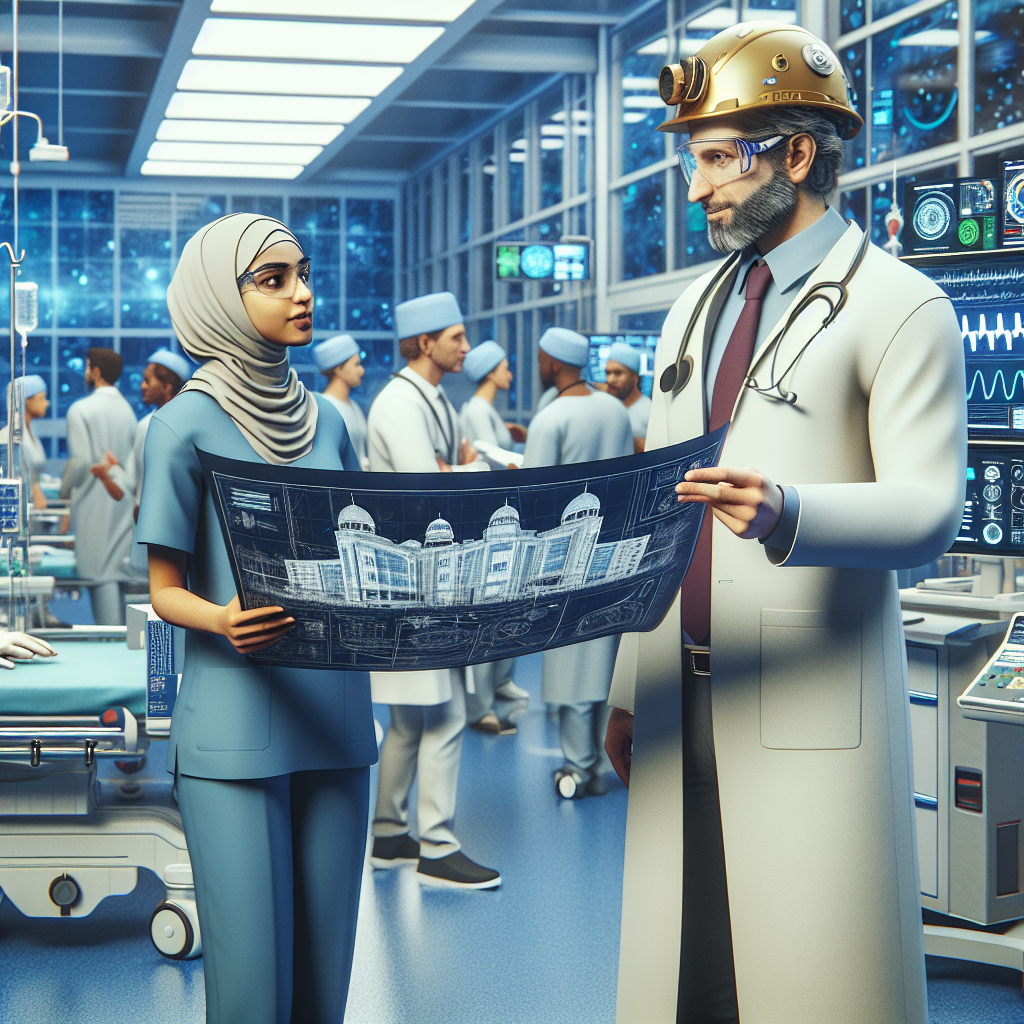
Industrial Engineering (IE) is a branch of engineering that focuses on optimizing complex processes, systems, and organizations. Traditionally associated with manufacturing and production, Industrial Engineering has found significant applications in various other fields, including healthcare. The integration of Industrial Engineering principles in healthcare aims to improve efficiency, reduce costs, and enhance the quality of patient care. This article delves into the importance and relevance of Industrial Engineering in healthcare, exploring its fundamentals, historical development, practical applications, advanced topics, challenges, and future trends.
Fundamentals
Basic Principles and Concepts
Industrial Engineering in healthcare involves the application of engineering principles to optimize healthcare systems. Key concepts include:
- Process Optimization: Streamlining healthcare processes to reduce waste and improve efficiency.
- Systems Engineering: Analyzing and designing complex healthcare systems to ensure they function effectively.
- Quality Control: Implementing measures to maintain and improve the quality of healthcare services.
- Human Factors Engineering: Designing systems that account for human capabilities and limitations to enhance safety and performance.
- Operations Research: Using mathematical models and analytical methods to solve complex decision-making problems in healthcare.
Key Terms
- Lean Healthcare: A methodology that focuses on minimizing waste and maximizing value in healthcare processes.
- Six Sigma: A data-driven approach to improving quality by identifying and eliminating defects in processes.
- Workflow Analysis: The study of the flow of tasks and information in healthcare settings to identify areas for improvement.
- Simulation Modeling: The use of computer models to replicate and analyze healthcare processes and systems.
Historical Development
The application of Industrial Engineering in healthcare has evolved over several decades. Key milestones include:
- Early 20th Century: The principles of scientific management, introduced by Frederick Taylor, began to influence healthcare, focusing on efficiency and standardization.
- 1950s-1960s: The introduction of operations research and systems engineering in healthcare, with notable contributions from figures like C. West Churchman and Russell L. Ackoff.
- 1980s-1990s: The adoption of Total Quality Management (TQM) and Continuous Quality Improvement (CQI) in healthcare, emphasizing patient-centered care and process improvement.
- 2000s-Present: The rise of Lean and Six Sigma methodologies in healthcare, driven by the need to reduce costs and improve patient outcomes.
Applications
Practical Applications in Healthcare
Industrial Engineering principles have been applied in various aspects of healthcare, including:
- Hospital Operations: Optimizing patient flow, reducing wait times, and improving resource allocation in hospitals.
- Supply Chain Management: Ensuring the efficient procurement, storage, and distribution of medical supplies and equipment.
- Healthcare Informatics: Using data analytics and information systems to enhance decision-making and patient care.
- Patient Safety: Implementing human factors engineering to design safer healthcare environments and reduce medical errors.
- Telemedicine: Leveraging technology to provide remote healthcare services, improving access and convenience for patients.
Case Studies
Several case studies highlight the successful application of Industrial Engineering in healthcare:
- Virginia Mason Medical Center: Implemented Lean principles to streamline processes, resulting in reduced patient wait times and improved care quality.
- Mayo Clinic: Used simulation modeling to optimize surgical scheduling, leading to increased efficiency and reduced patient wait times.
- Intermountain Healthcare: Applied Six Sigma methodologies to reduce medication errors and improve patient safety.
Advanced Topics
Recent Research and Innovations
Recent advancements in Industrial Engineering in healthcare include:
- Artificial Intelligence (AI) and Machine Learning: Using AI algorithms to predict patient outcomes, optimize treatment plans, and enhance diagnostic accuracy.
- Blockchain Technology: Implementing blockchain for secure and transparent management of patient records and healthcare transactions.
- Internet of Things (IoT): Utilizing IoT devices for real-time monitoring of patient health and remote management of chronic conditions.
- Robotics: Deploying robotic systems for surgical procedures, rehabilitation, and patient assistance.
Future Trends
The future of Industrial Engineering in healthcare is likely to be shaped by:
- Personalized Medicine: Tailoring medical treatments to individual patients based on genetic, environmental, and lifestyle factors.
- Value-Based Care: Shifting from volume-based to value-based care models, focusing on patient outcomes and cost-effectiveness.
- Integrated Care Systems: Developing integrated care systems that coordinate services across different healthcare providers and settings.
Challenges and Considerations
Challenges
Despite its potential, the application of Industrial Engineering in healthcare faces several challenges:
- Resistance to Change: Healthcare professionals may be resistant to adopting new processes and technologies.
- Complexity of Healthcare Systems: The complexity and variability of healthcare systems can make it difficult to implement standardized solutions.
- Data Privacy and Security: Ensuring the privacy and security of patient data is a critical concern in healthcare.
- Resource Constraints: Limited financial and human resources can hinder the implementation of Industrial Engineering initiatives.
Potential Solutions
Addressing these challenges requires:
- Stakeholder Engagement: Involving healthcare professionals, patients, and other stakeholders in the design and implementation of Industrial Engineering solutions.
- Interdisciplinary Collaboration: Promoting collaboration between engineers, healthcare providers, and policymakers to develop effective solutions.
- Continuous Training and Education: Providing ongoing training and education to healthcare professionals on Industrial Engineering principles and techniques.
- Robust Data Governance: Implementing robust data governance frameworks to ensure the privacy and security of patient data.
Conclusion
Industrial Engineering in healthcare is a rapidly evolving field that holds significant potential for improving the efficiency, quality, and cost-effectiveness of healthcare services. By applying principles such as process optimization, systems engineering, and quality control, Industrial Engineers can help address some of the most pressing challenges in healthcare. While there are obstacles to overcome, the continued advancement of technology and interdisciplinary collaboration will pave the way for innovative solutions that enhance patient care and outcomes. As the healthcare landscape continues to evolve, the role of Industrial Engineering will become increasingly important in shaping the future of healthcare delivery.