
Hydraulic Systems and Components
Introduction
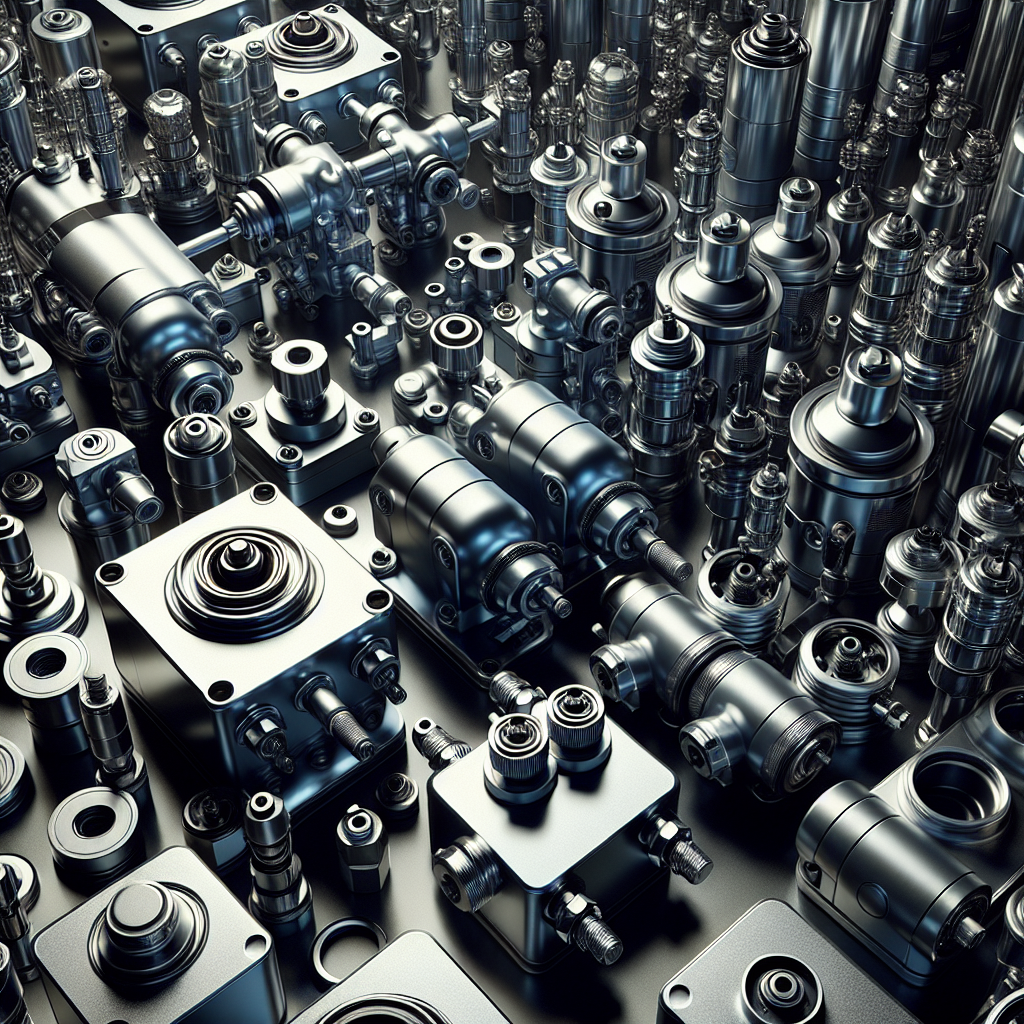
Hydraulic systems and components are fundamental elements in the field of fluid dynamics in engineering. These systems utilize fluid power to perform a wide range of tasks, from simple movements to complex operations in various industrial applications. The importance of hydraulic systems lies in their ability to provide precise control, high power density, and efficient energy transfer. This article delves into the intricacies of hydraulic systems, exploring their principles, historical development, applications, advanced topics, challenges, and considerations.
Fundamentals
Basic Principles and Concepts
Hydraulic systems operate based on the principles of fluid mechanics, specifically the behavior of liquids under pressure. The core concept is Pascal’s Law, which states that pressure applied to a confined fluid is transmitted equally in all directions. This principle allows hydraulic systems to amplify force and perform work efficiently.
Key Terms and Definitions
- Hydraulic Fluid: The medium used to transmit power in a hydraulic system, typically oil or water-based fluids.
- Hydraulic Pump: A device that converts mechanical energy into hydraulic energy by moving fluid through the system.
- Hydraulic Cylinder: An actuator that converts hydraulic energy into linear motion.
- Hydraulic Motor: An actuator that converts hydraulic energy into rotary motion.
- Valves: Components that control the flow and direction of hydraulic fluid within the system.
- Reservoir: A tank that holds the hydraulic fluid.
- Accumulator: A device that stores hydraulic energy for later use.
Historical Development
The development of hydraulic systems can be traced back to ancient civilizations, where water was used to power simple machines. However, significant advancements occurred during the Industrial Revolution. In the 18th century, Joseph Bramah, an English engineer, invented the hydraulic press, which laid the foundation for modern hydraulic systems. Bramah’s work was further enhanced by William George Armstrong, who developed hydraulic cranes and other machinery in the 19th century.
In the 20th century, hydraulic technology saw rapid advancements with the advent of new materials, improved manufacturing techniques, and the integration of electronics. Notable figures such as Harry Vickers contributed to the development of hydraulic components and systems, leading to widespread adoption in various industries.
Applications
Industrial Applications
Hydraulic systems are extensively used in industrial applications due to their ability to handle heavy loads and provide precise control. Some common applications include:
- Manufacturing: Hydraulic presses, injection molding machines, and robotic arms.
- Construction: Excavators, bulldozers, and cranes.
- Automotive: Hydraulic brakes, power steering systems, and suspension systems.
- Aerospace: Landing gear systems, flight control actuators, and hydraulic pumps.
Case Studies
One notable case study is the use of hydraulic systems in the construction of the Burj Khalifa in Dubai. Hydraulic jacks were employed to lift the massive steel sections of the spire, demonstrating the power and precision of hydraulic technology in large-scale construction projects.
Advanced Topics
Recent Research and Innovations
Recent research in hydraulic systems focuses on improving efficiency, reducing energy consumption, and enhancing control mechanisms. Innovations such as electro-hydraulic systems, which combine hydraulic power with electronic control, have led to more precise and responsive systems. Additionally, the development of smart hydraulic systems with integrated sensors and IoT capabilities allows for real-time monitoring and predictive maintenance.
Future Trends
The future of hydraulic systems is likely to see further integration with digital technologies, leading to more intelligent and autonomous systems. Advances in materials science may also result in lighter and more durable components, enhancing the overall performance and reliability of hydraulic systems.
Challenges and Considerations
Challenges
Despite their advantages, hydraulic systems face several challenges:
- Leakage: Hydraulic systems are prone to fluid leakage, which can lead to reduced efficiency and environmental concerns.
- Maintenance: Regular maintenance is required to ensure the proper functioning of hydraulic components, which can be time-consuming and costly.
- Energy Efficiency: Hydraulic systems can be less energy-efficient compared to other power transmission methods, leading to higher operational costs.
Considerations and Solutions
To address these challenges, engineers are exploring various solutions:
- Sealing Technologies: Improved sealing technologies can reduce leakage and enhance system reliability.
- Condition Monitoring: Implementing condition monitoring systems can help detect issues early and reduce maintenance costs.
- Energy Recovery: Techniques such as energy recovery and regeneration can improve the overall efficiency of hydraulic systems.
Conclusion
Hydraulic systems and components play a crucial role in the field of fluid dynamics in engineering. Their ability to provide precise control, high power density, and efficient energy transfer makes them indispensable in various industrial applications. From their historical development to recent innovations, hydraulic systems continue to evolve, offering new possibilities and addressing existing challenges. As technology advances, the integration of digital technologies and improved materials will further enhance the performance and reliability of hydraulic systems, solidifying their importance in the engineering landscape.