Human-Robot Interaction
Introduction
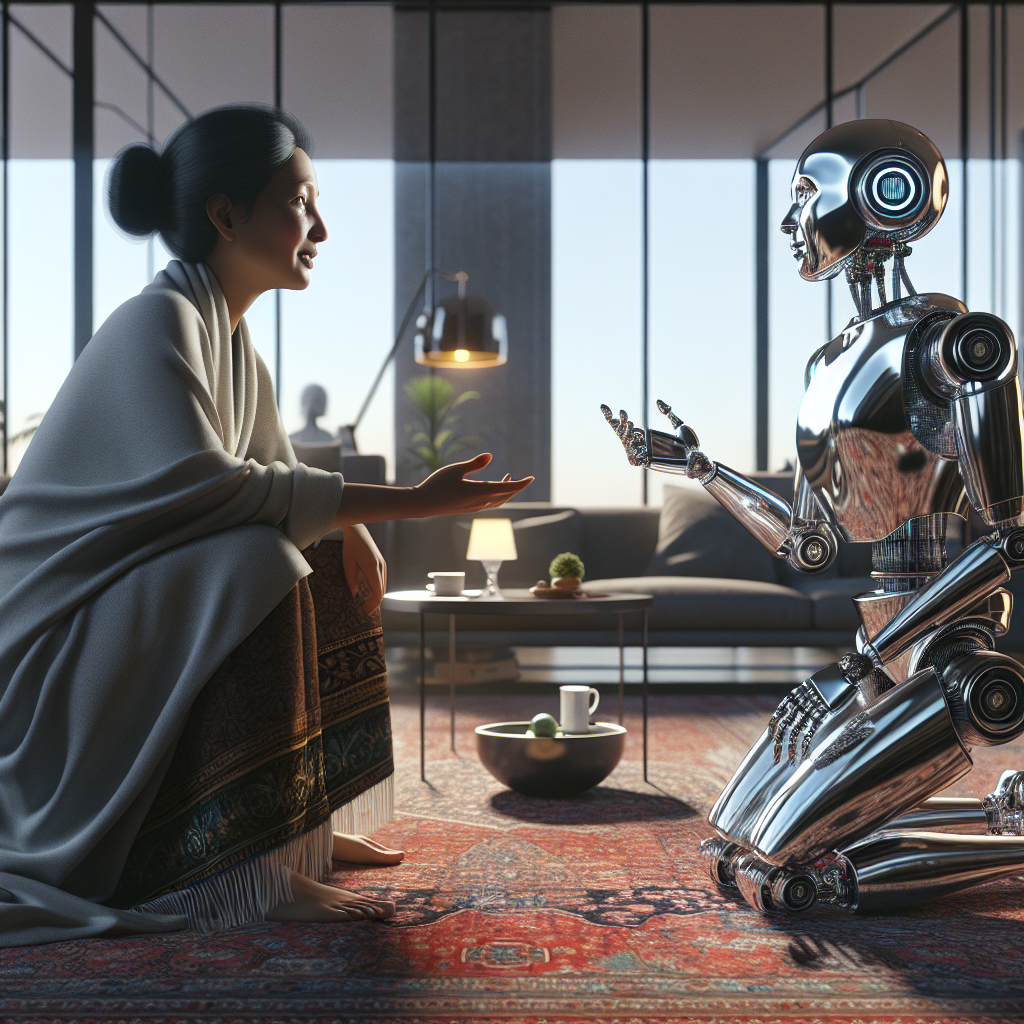
Human-Robot Interaction (HRI) is a multidisciplinary field that focuses on the study and design of systems in which humans and robots interact. This area of research is crucial in the field of engineering, as it combines elements of robotics, artificial intelligence, human-computer interaction, and cognitive psychology. The importance of HRI lies in its potential to revolutionize various industries by enhancing the efficiency, safety, and effectiveness of human-robot collaborations. From manufacturing and healthcare to service industries and domestic environments, the applications of HRI are vast and continually expanding.
Fundamentals
Basic Principles and Concepts
At its core, Human-Robot Interaction involves the study of how humans and robots can work together in a shared environment. The primary goal is to create systems that are intuitive, efficient, and safe for human users. Key principles include:
- Usability: Ensuring that robots are easy to use and understand.
- Safety: Designing robots that can operate safely around humans.
- Efficiency: Optimizing the performance of human-robot teams.
- Adaptability: Creating robots that can adapt to different tasks and environments.
Key Terms
- Autonomy: The degree to which a robot can perform tasks without human intervention.
- Teleoperation: The remote control of a robot by a human operator.
- Collaborative Robots (Cobots): Robots designed to work alongside humans in a shared workspace.
- Natural Language Processing (NLP): The ability of a robot to understand and respond to human language.
- Multimodal Interaction: The use of multiple modes of communication (e.g., speech, gestures) between humans and robots.
Historical Development
The field of Human-Robot Interaction has evolved significantly over the past few decades. Early research in the 1960s and 1970s focused on basic teleoperation systems, where humans controlled robots remotely. These systems were primarily used in hazardous environments, such as space exploration and nuclear facilities.
In the 1980s and 1990s, advancements in artificial intelligence and robotics led to the development of more autonomous systems. Researchers began to explore ways to make robots more intuitive and user-friendly, leading to the emergence of the HRI field as we know it today. Notable figures such as Rodney Brooks and Cynthia Breazeal made significant contributions during this period, with Brooks pioneering the concept of behavior-based robotics and Breazeal focusing on social robots.
The 21st century has seen rapid advancements in HRI, driven by improvements in AI, machine learning, and sensor technologies. Modern HRI systems are capable of complex interactions, including natural language processing, emotion recognition, and adaptive learning. These advancements have paved the way for practical applications in various industries.
Applications
Manufacturing
In the manufacturing industry, collaborative robots (cobots) are increasingly being used to work alongside human workers. These robots can perform repetitive or dangerous tasks, allowing human workers to focus on more complex and creative activities. For example, automotive manufacturers use cobots for tasks such as welding, painting, and assembly.
Healthcare
In healthcare, robots are being used for a variety of applications, including surgery, rehabilitation, and patient care. Surgical robots, such as the da Vinci Surgical System, allow for minimally invasive procedures with high precision. Rehabilitation robots assist patients in recovering mobility and strength after injuries or surgeries. Additionally, social robots like PARO, a therapeutic robot seal, provide companionship and emotional support to patients.
Service Industry
The service industry is also benefiting from advancements in HRI. Robots are being used in hotels, restaurants, and retail stores to assist with tasks such as customer service, cleaning, and inventory management. For instance, robots like Pepper and NAO are used in customer-facing roles to provide information and assistance to guests.
Domestic Environments
In domestic settings, robots are being developed to assist with household chores, provide companionship, and support elderly or disabled individuals. Robotic vacuum cleaners, such as Roomba, are already widely used in homes. More advanced robots, like Jibo and Buddy, are designed to interact with family members, offering assistance with daily tasks and providing social interaction.
Advanced Topics
Recent Research and Innovations
Recent research in HRI focuses on enhancing the naturalness and effectiveness of human-robot interactions. Innovations include:
- Emotion Recognition: Developing robots that can recognize and respond to human emotions through facial expressions, voice tone, and body language.
- Adaptive Learning: Creating robots that can learn from human interactions and adapt their behavior accordingly.
- Multimodal Interaction: Integrating multiple modes of communication, such as speech, gestures, and touch, to create more intuitive interactions.
- Ethical AI: Ensuring that robots operate within ethical guidelines and respect human values and privacy.
Future Trends
The future of HRI is likely to be shaped by several emerging trends:
- Increased Autonomy: Robots will become more autonomous, capable of performing complex tasks with minimal human intervention.
- Enhanced Collaboration: Human-robot teams will become more integrated, with robots taking on more collaborative roles.
- Personalization: Robots will be able to tailor their interactions to individual users, providing personalized assistance and support.
- Ubiquitous Robotics: Robots will become more prevalent in everyday life, seamlessly integrating into various environments and activities.
Challenges and Considerations
Technical Challenges
Despite significant advancements, several technical challenges remain in the field of HRI:
- Robust Perception: Ensuring that robots can accurately perceive and interpret their environment and human actions.
- Natural Interaction: Developing robots that can engage in natural, intuitive interactions with humans.
- Real-Time Processing: Enabling robots to process information and respond in real-time.
Ethical and Social Considerations
There are also important ethical and social considerations to address:
- Privacy: Ensuring that robots respect user privacy and handle personal data responsibly.
- Job Displacement: Addressing concerns about robots replacing human jobs and the impact on employment.
- Bias and Fairness: Ensuring that AI algorithms used in robots are free from bias and treat all users fairly.
Potential Solutions
To address these challenges, researchers and engineers are exploring several potential solutions:
- Interdisciplinary Collaboration: Bringing together experts from different fields to address complex HRI challenges.
- User-Centered Design: Involving end-users in the design process to ensure that robots meet their needs and preferences.
- Regulation and Standards: Developing regulations and standards to ensure the safe and ethical use of robots.
Conclusion
Human-Robot Interaction is a rapidly evolving field with the potential to transform various industries and aspects of daily life. By combining principles from robotics, artificial intelligence, and human-computer interaction, HRI aims to create systems that are intuitive, efficient, and safe for human users. While significant progress has been made, several technical, ethical, and social challenges remain. Addressing these challenges will require interdisciplinary collaboration, user-centered design, and the development of appropriate regulations and standards. As research and innovation continue to advance, the future of HRI holds exciting possibilities for enhancing human-robot collaboration and improving the quality of life for people around the world.