Historical Development of Engineering Design
Introduction
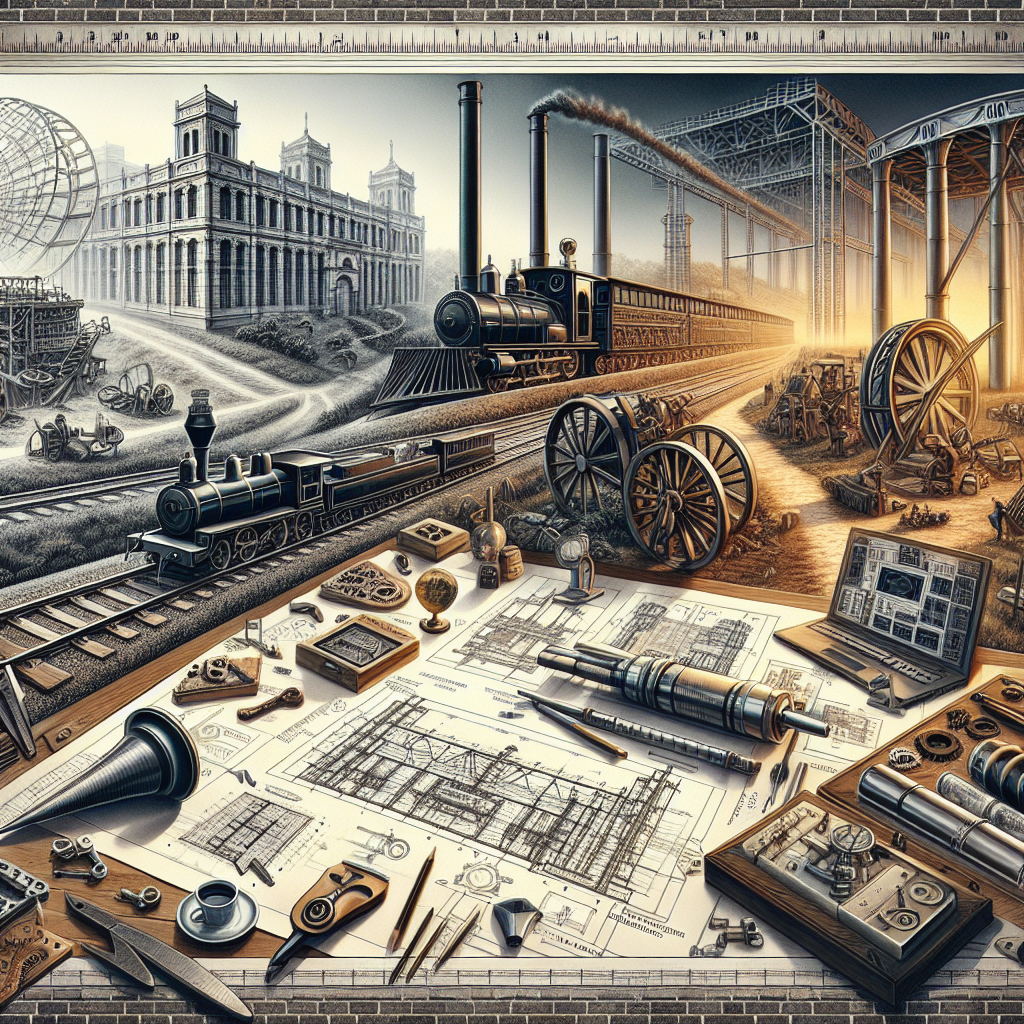
Engineering design is a cornerstone of the engineering discipline, encompassing the creative and systematic application of scientific and mathematical principles to develop solutions to complex problems. The importance of engineering design cannot be overstated, as it is integral to the creation of everything from everyday consumer products to large-scale infrastructure projects. This article delves into the historical development of engineering design, exploring its fundamental principles, key milestones, practical applications, advanced topics, and the challenges it faces. Understanding the evolution of engineering design provides valuable insights into its current practices and future directions.
Fundamentals
Basic Principles and Concepts
Engineering design is a multifaceted process that involves several key principles and concepts:
- Problem Definition: Clearly identifying and understanding the problem to be solved.
- Research and Analysis: Gathering relevant information and analyzing it to inform the design process.
- Conceptual Design: Generating multiple design concepts and selecting the most promising one.
- Detailed Design: Developing the chosen concept into a detailed plan, including specifications and drawings.
- Prototyping and Testing: Creating prototypes and testing them to ensure they meet the required specifications and performance criteria.
- Implementation: Bringing the design to life through manufacturing or construction.
- Evaluation and Iteration: Assessing the final product and making necessary improvements.
Key Terms
Several key terms are essential to understanding engineering design:
- Design Brief: A document that outlines the objectives, constraints, and requirements of a design project.
- Feasibility Study: An assessment of the practicality and viability of a proposed design solution.
- CAD (Computer-Aided Design): Software used to create precise drawings and models of designs.
- DFM (Design for Manufacturability): Designing products in a way that makes them easy and cost-effective to manufacture.
- Ergonomics: The study of how people interact with products and environments to optimize comfort and efficiency.
Historical Development
Early Beginnings
The history of engineering design dates back to ancient civilizations, where early engineers used rudimentary tools and techniques to build structures and machines. The Egyptians, for example, demonstrated remarkable engineering prowess in constructing the pyramids, while the Romans made significant advancements in civil engineering with their aqueducts and roads.
Renaissance and Enlightenment
The Renaissance period marked a significant turning point in engineering design, with figures like Leonardo da Vinci contributing to the field through detailed sketches and innovative concepts. The Enlightenment further propelled engineering design with the development of scientific principles and the Industrial Revolution, which introduced new materials and manufacturing processes.
20th Century and Modern Era
The 20th century saw rapid advancements in engineering design, driven by technological innovations and the rise of computer technology. The introduction of CAD software revolutionized the design process, allowing for greater precision and efficiency. Notable figures such as Henry Ford and Nikola Tesla made significant contributions to automotive and electrical engineering, respectively.
Applications
Automotive Industry
Engineering design plays a crucial role in the automotive industry, where it is used to develop vehicles that are safe, efficient, and aesthetically pleasing. For example, the design of the Tesla Model S involved extensive use of CAD software to optimize aerodynamics and battery placement, resulting in a high-performance electric vehicle.
Aerospace Industry
In the aerospace industry, engineering design is essential for developing aircraft and spacecraft that meet stringent safety and performance standards. The design of the Boeing 787 Dreamliner involved advanced materials and aerodynamics to improve fuel efficiency and passenger comfort.
Consumer Electronics
Engineering design is also critical in the development of consumer electronics, such as smartphones and laptops. Apple’s iPhone, for instance, is a product of meticulous engineering design, combining sleek aesthetics with cutting-edge technology to create a user-friendly device.
Infrastructure and Construction
In the field of civil engineering, design is fundamental to the construction of infrastructure projects like bridges, roads, and buildings. The design of the Burj Khalifa, the world’s tallest building, required innovative structural engineering to ensure stability and safety.
Advanced Topics
Parametric Design
Parametric design is an advanced technique that uses algorithms to generate design variations based on specific parameters. This approach allows for greater flexibility and optimization in the design process. For example, parametric design is used in architecture to create complex, organic shapes that would be difficult to achieve with traditional methods.
Generative Design
Generative design is a cutting-edge technique that uses artificial intelligence to generate multiple design options based on predefined criteria. This approach enables designers to explore a wider range of possibilities and identify optimal solutions. Autodesk’s generative design software has been used to create lightweight, high-strength components for the aerospace industry.
Sustainable Design
Sustainable design focuses on creating products and systems that minimize environmental impact and promote resource efficiency. This approach is increasingly important in addressing global challenges such as climate change and resource depletion. The design of the Tesla Solar Roof, which integrates solar panels into roofing materials, exemplifies sustainable design in action.
Challenges and Considerations
Complexity and Uncertainty
Engineering design often involves complex systems with many interdependent components, making it challenging to predict outcomes accurately. Uncertainty in material properties, manufacturing processes, and environmental conditions can complicate the design process.
Cost and Time Constraints
Design projects are often subject to strict cost and time constraints, requiring designers to balance quality and performance with budget and schedule limitations. Effective project management and resource allocation are essential to overcoming these challenges.
Regulatory Compliance
Engineering designs must comply with various regulations and standards to ensure safety, reliability, and environmental sustainability. Navigating these regulatory requirements can be complex and time-consuming.
Interdisciplinary Collaboration
Engineering design often requires collaboration between multiple disciplines, such as mechanical, electrical, and civil engineering. Effective communication and coordination are crucial to ensuring that all aspects of the design are integrated seamlessly.
Conclusion
The historical development of engineering design is a testament to human ingenuity and the relentless pursuit of innovation. From the ancient pyramids to modern skyscrapers, engineering design has evolved significantly, driven by advancements in technology and scientific understanding. Today, engineering design continues to play a vital role in shaping the world around us, with applications spanning various industries and fields. As we look to the future, emerging techniques such as parametric and generative design, along with a focus on sustainability, promise to further revolutionize the field. Despite the challenges and complexities involved, the importance of engineering design in engineering remains unwavering, underscoring its critical role in addressing the needs and aspirations of society.