Heat Transfer in Nuclear Power Plants
Introduction

Heat transfer is a fundamental concept in engineering, playing a crucial role in various applications, from everyday household appliances to complex industrial systems. One of the most critical applications of heat transfer is in nuclear power plants. These facilities rely on efficient heat transfer mechanisms to convert nuclear energy into electrical power, ensuring both safety and efficiency. Understanding heat transfer in nuclear power plants is essential for engineers to design, operate, and maintain these systems effectively. This article delves into the importance, principles, historical development, applications, advanced topics, challenges, and considerations of heat transfer in nuclear power plants.
Fundamentals
Basic Principles and Concepts
Heat transfer in nuclear power plants involves the movement of thermal energy from the nuclear reactor core to the power generation system. The three primary modes of heat transfer are conduction, convection, and radiation:
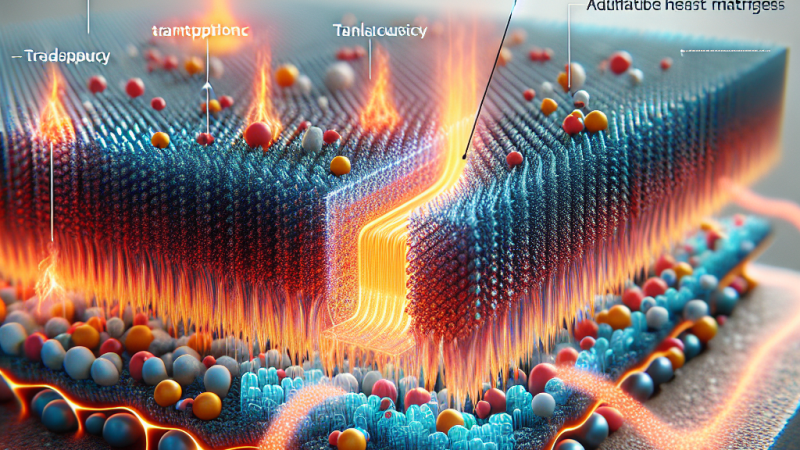
- Conduction: The transfer of heat through a solid material without the movement of the material itself. In nuclear reactors, conduction occurs within the fuel rods and structural materials.
- Convection: The transfer of heat through the movement of fluids (liquids or gases). In nuclear power plants, convection is critical in the coolant systems that transport heat away from the reactor core.
- Radiation: The transfer of heat through electromagnetic waves. While less significant in the core, radiation plays a role in heat dissipation from the reactor vessel and other components.
Key Terms and Theories
Several key terms and theories are essential to understanding heat transfer in nuclear power plants:
- Thermal Conductivity: A material’s ability to conduct heat. High thermal conductivity materials are used in reactor components to efficiently transfer heat.
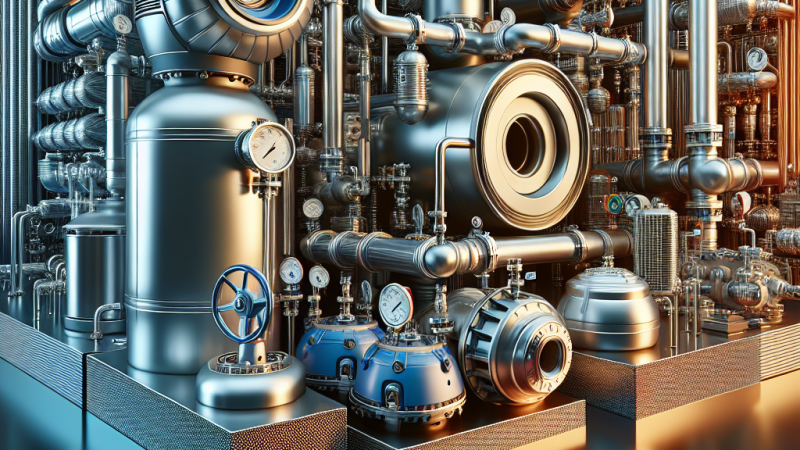
- Heat Exchangers: Devices that transfer heat between two or more fluids without mixing them. They are crucial in nuclear power plants for transferring heat from the reactor coolant to the steam generator.
- Boiling and Condensation: Phase change processes that play a significant role in heat transfer within the reactor and steam generation systems.
- Heat Flux: The rate of heat energy transfer per unit area. Managing heat flux is vital to prevent overheating and ensure efficient operation.
Historical Development
Early Developments
The concept of using nuclear reactions for power generation dates back to the early 20th century. The discovery of nuclear fission by Otto Hahn and Fritz Strassmann in 1938 laid the groundwork for nuclear power. Enrico Fermi and his team achieved the first controlled nuclear chain reaction in 1942, marking a significant milestone in nuclear engineering.
Key Milestones
Several key milestones have shaped the development of heat transfer in nuclear power plants:
- 1951: The Experimental Breeder Reactor I (EBR-I) in Idaho, USA, became the first reactor to generate electricity using nuclear energy.
- 1954: The Obninsk Nuclear Power Plant in the Soviet Union became the world’s first commercial nuclear power plant.
- 1970s: The development of pressurized water reactors (PWRs) and boiling water reactors (BWRs) revolutionized nuclear power generation, emphasizing efficient heat transfer mechanisms.
- 1986: The Chernobyl disaster highlighted the importance of robust heat transfer systems and safety measures in nuclear power plants.
Notable Figures
Several notable figures have contributed to the field of heat transfer in nuclear power plants:
- Enrico Fermi: A pioneer in nuclear physics and engineering, Fermi’s work on nuclear reactions laid the foundation for nuclear power generation.
- Hyman G. Rickover: Known as the “Father of the Nuclear Navy,” Rickover played a crucial role in developing nuclear-powered submarines and promoting nuclear safety.
- Alvin Weinberg: A key figure in the development of nuclear reactors, Weinberg’s work on reactor design and safety has had a lasting impact on the industry.
Applications
Nuclear Power Generation
The primary application of heat transfer in nuclear power plants is electricity generation. Nuclear reactors use controlled nuclear fission reactions to produce heat, which is then transferred to a working fluid (usually water) to generate steam. The steam drives turbines connected to generators, producing electricity. Efficient heat transfer is crucial to maximize power output and ensure the reactor operates within safe temperature limits.
Cooling Systems
Cooling systems are vital in nuclear power plants to remove excess heat from the reactor core and prevent overheating. These systems use various heat transfer mechanisms, including:
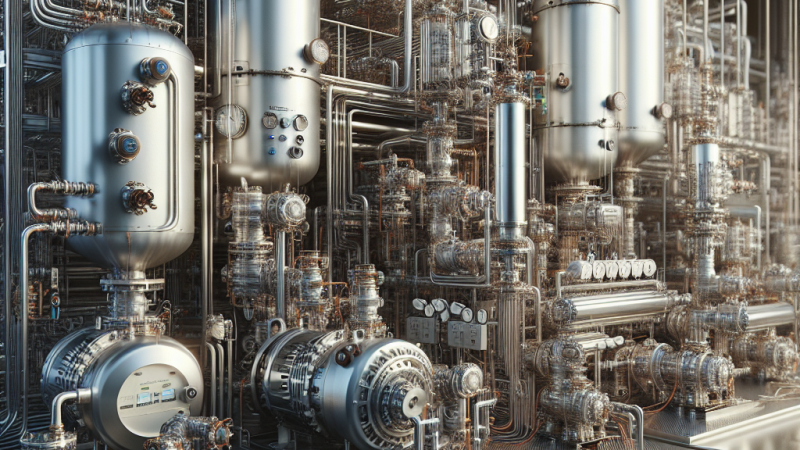
- Primary Coolant Loop: Transfers heat from the reactor core to the steam generator or heat exchanger.
- Secondary Coolant Loop: Transfers heat from the primary loop to the turbine and condenser systems.
- Emergency Core Cooling Systems (ECCS): Provide additional cooling in case of a reactor shutdown or accident.
Waste Heat Management
Managing waste heat is another critical application of heat transfer in nuclear power plants. Excess heat must be dissipated to the environment to maintain safe operating conditions. Cooling towers, heat exchangers, and other systems are used to transfer waste heat to the atmosphere or nearby water bodies.
Advanced Topics
Advanced Reactor Designs
Recent advancements in reactor designs focus on improving heat transfer efficiency and safety. Some notable designs include:
- Small Modular Reactors (SMRs): Compact reactors with enhanced heat transfer capabilities, offering flexibility and safety benefits.
- Generation IV Reactors: Advanced reactors with innovative heat transfer mechanisms, such as gas-cooled and molten salt reactors, aiming for higher efficiency and safety.
Nanofluids
Nanofluids, which are fluids containing nanoparticles, have shown promise in enhancing heat transfer properties. Research is ongoing to explore their potential applications in nuclear power plants, including improved coolant performance and heat exchanger efficiency.
Thermal-Hydraulic Modeling
Advanced thermal-hydraulic modeling techniques are used to simulate and analyze heat transfer processes in nuclear reactors. These models help engineers optimize reactor designs, predict performance, and ensure safety under various operating conditions.
Challenges and Considerations
Safety Concerns
Safety is paramount in nuclear power plants, and efficient heat transfer is critical to prevent overheating and potential accidents. Engineers must design robust cooling systems and implement safety measures to mitigate risks.
Material Degradation
High temperatures and radiation exposure can cause material degradation in reactor components, affecting heat transfer efficiency. Ongoing research focuses on developing materials with improved thermal and radiation resistance.
Environmental Impact
Managing waste heat and its environmental impact is a significant consideration. Cooling systems must be designed to minimize thermal pollution and ensure compliance with environmental regulations.
Economic Factors
The cost of designing, constructing, and maintaining efficient heat transfer systems can be substantial. Balancing cost-effectiveness with safety and performance is a key challenge for engineers and policymakers.
Conclusion
Heat transfer in nuclear power plants is a critical aspect of engineering that ensures the efficient and safe generation of electricity. Understanding the principles, historical development, applications, advanced topics, challenges, and considerations associated with heat transfer is essential for engineers working in this field. As technology advances and new reactor designs emerge, ongoing research and innovation will continue to enhance heat transfer mechanisms, contributing to the sustainability and safety of nuclear power. The importance of heat transfer in nuclear power plants cannot be overstated, as it plays a vital role in meeting the world’s growing energy demands while minimizing environmental impact.