Environmental Impact of Aerospace Engineering
Introduction
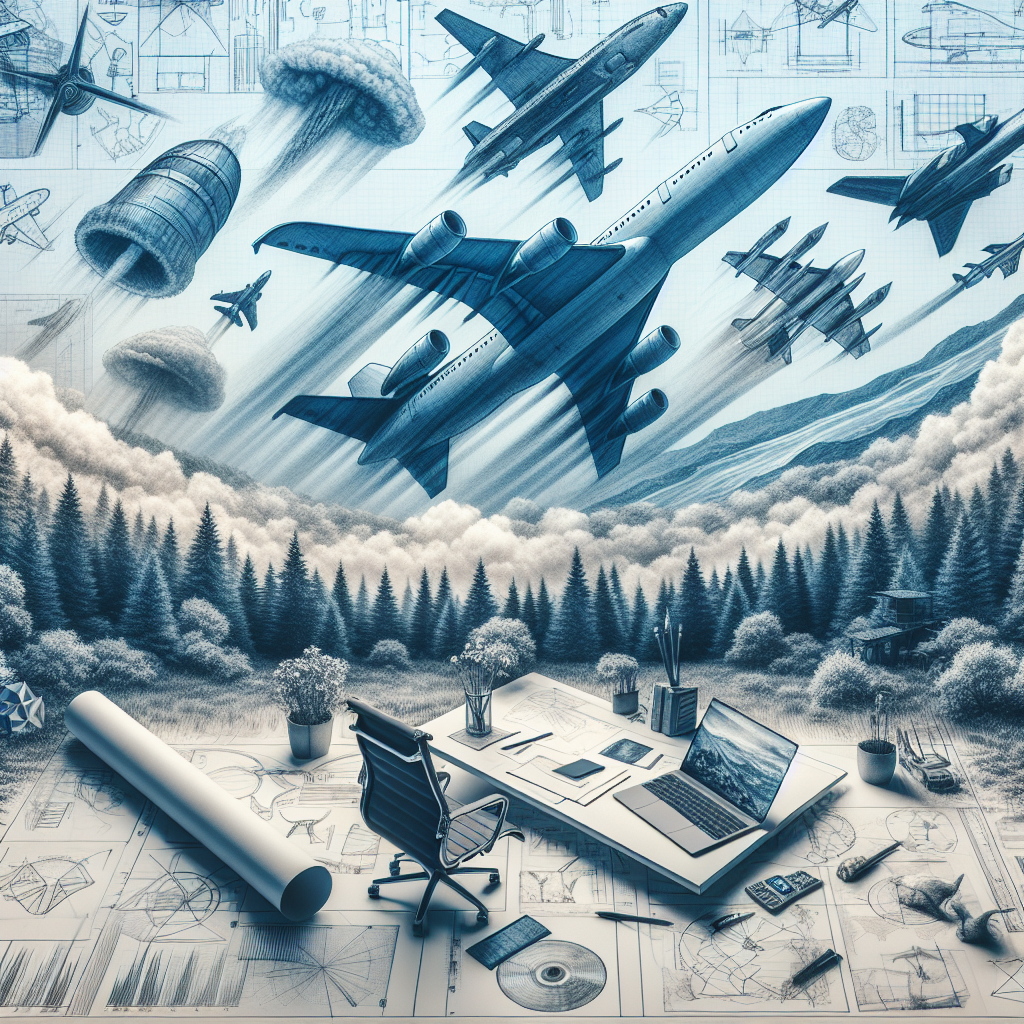
The field of aerospace engineering has been a cornerstone of technological advancement, enabling humanity to explore the skies and beyond. However, as the industry grows, so does its environmental footprint. The environmental impact of aerospace engineering is a critical issue that encompasses a range of concerns, from carbon emissions and noise pollution to the depletion of natural resources. Understanding these impacts is essential for developing sustainable practices and technologies that can mitigate the negative effects on our planet. This article delves into the various aspects of the environmental impact of aerospace engineering, providing a comprehensive overview of its importance, fundamentals, historical development, applications, advanced topics, challenges, and considerations.
Fundamentals
To grasp the environmental impact of aerospace engineering, it is crucial to understand some basic principles and concepts. Aerospace engineering involves the design, development, testing, and production of aircraft, spacecraft, and related systems and equipment. The field is divided into two main branches: aeronautical engineering, which focuses on aircraft within Earth’s atmosphere, and astronautical engineering, which deals with spacecraft outside Earth’s atmosphere.
Key Terms and Definitions
- Carbon Emissions: The release of carbon dioxide (CO2) into the atmosphere, primarily from the combustion of fossil fuels.
- Noise Pollution: Unwanted or harmful noise generated by aircraft engines and other aerospace activities.
- Fuel Efficiency: The measure of how effectively an aircraft converts fuel into energy, impacting both operational costs and environmental footprint.
- Sustainable Aviation Fuel (SAF): Alternative fuels derived from renewable resources that can reduce the carbon footprint of aviation.
- Life Cycle Assessment (LCA): A method to evaluate the environmental impacts of a product or system throughout its entire life cycle, from raw material extraction to disposal.
Historical Development
The environmental impact of aerospace engineering has evolved significantly over the years. In the early days of aviation, the focus was primarily on achieving flight and improving performance, with little consideration for environmental consequences. However, as the industry expanded, so did its environmental footprint, leading to increased awareness and regulatory measures.
Key Milestones
- 1960s: The introduction of commercial jet airliners brought about a significant increase in air travel, leading to higher fuel consumption and emissions.
- 1970s: The oil crisis prompted the industry to explore fuel-efficient technologies and alternative fuels.
- 1980s: The Montreal Protocol was established to phase out substances that deplete the ozone layer, impacting the use of certain chemicals in aerospace manufacturing.
- 2000s: The European Union Emissions Trading System (EU ETS) was introduced, including aviation in its carbon trading scheme.
- 2010s: The International Civil Aviation Organization (ICAO) adopted the Carbon Offsetting and Reduction Scheme for International Aviation (CORSIA) to address CO2 emissions from international flights.
Applications
The environmental impact of aerospace engineering extends across various industries and fields, influencing both commercial and military aviation, as well as space exploration. Here are some practical applications:
Commercial Aviation
Commercial aviation is one of the largest contributors to carbon emissions within the aerospace sector. Airlines are increasingly adopting measures to reduce their environmental footprint, such as investing in more fuel-efficient aircraft, optimizing flight routes, and using sustainable aviation fuels (SAFs). For example, airlines like Delta and United have committed to achieving carbon neutrality by 2050 through a combination of fuel efficiency improvements, SAFs, and carbon offset programs.
Military Aviation
Military aviation also has a significant environmental impact, primarily due to the high fuel consumption of military aircraft and the use of hazardous materials in manufacturing and maintenance. Efforts are being made to develop more fuel-efficient engines and to implement environmentally friendly practices in military operations. The U.S. Department of Defense, for instance, has initiated programs to reduce energy consumption and increase the use of renewable energy sources.
Space Exploration
Space exploration presents unique environmental challenges, including the production of rocket propellants and the management of space debris. Organizations like NASA and SpaceX are working on developing reusable rockets and more sustainable propulsion systems to minimize the environmental impact of space missions. The use of green propellants, which are less toxic and more efficient than traditional options, is also being explored.
Advanced Topics
Recent research and innovations in aerospace engineering are focused on addressing the environmental challenges associated with the industry. Here are some advanced concepts and future trends:
Electric and Hybrid-Electric Aircraft
Electric and hybrid-electric aircraft are emerging as promising solutions to reduce carbon emissions and noise pollution. Companies like Airbus and Boeing are investing in the development of electric propulsion systems that can significantly lower the environmental impact of aviation. These technologies are still in the experimental stage but hold great potential for the future.
Advanced Materials
The use of advanced materials, such as carbon fiber composites and lightweight alloys, can improve fuel efficiency by reducing the weight of aircraft. These materials also offer better durability and resistance to environmental factors, extending the lifespan of aerospace components and reducing waste.
Artificial Intelligence and Machine Learning
Artificial intelligence (AI) and machine learning (ML) are being leveraged to optimize flight operations, improve fuel efficiency, and reduce emissions. AI algorithms can analyze vast amounts of data to identify the most efficient flight paths, predict maintenance needs, and enhance overall operational efficiency.
Challenges and Considerations
Despite the advancements in technology and sustainable practices, several challenges and considerations remain in addressing the environmental impact of aerospace engineering:
High Costs
The development and implementation of environmentally friendly technologies often come with high costs. This can be a significant barrier for smaller companies and developing countries, limiting their ability to adopt sustainable practices.
Regulatory Hurdles
Regulatory frameworks for environmental protection in the aerospace industry are complex and vary by region. Navigating these regulations can be challenging for companies, especially when operating internationally.
Technological Limitations
While electric and hybrid-electric aircraft show promise, current battery technology limits their range and payload capacity. Further research and development are needed to overcome these limitations and make these technologies viable for commercial use.
Environmental Trade-offs
Some sustainable practices may have unintended environmental trade-offs. For example, the production of biofuels can lead to deforestation and other ecological impacts. A comprehensive life cycle assessment (LCA) is essential to evaluate the overall environmental impact of new technologies and practices.
Conclusion
The environmental impact of aerospace engineering is a multifaceted issue that requires a holistic approach to address effectively. From reducing carbon emissions and noise pollution to developing sustainable materials and propulsion systems, the industry is making strides toward a more sustainable future. However, significant challenges remain, including high costs, regulatory hurdles, and technological limitations. Continued research, innovation, and collaboration among stakeholders are essential to overcome these challenges and ensure that aerospace engineering can thrive without compromising the health of our planet. As we look to the skies and beyond, it is imperative that we do so with a commitment to sustainability and environmental stewardship.