Advanced Materials in Aerospace Engineering
Introduction
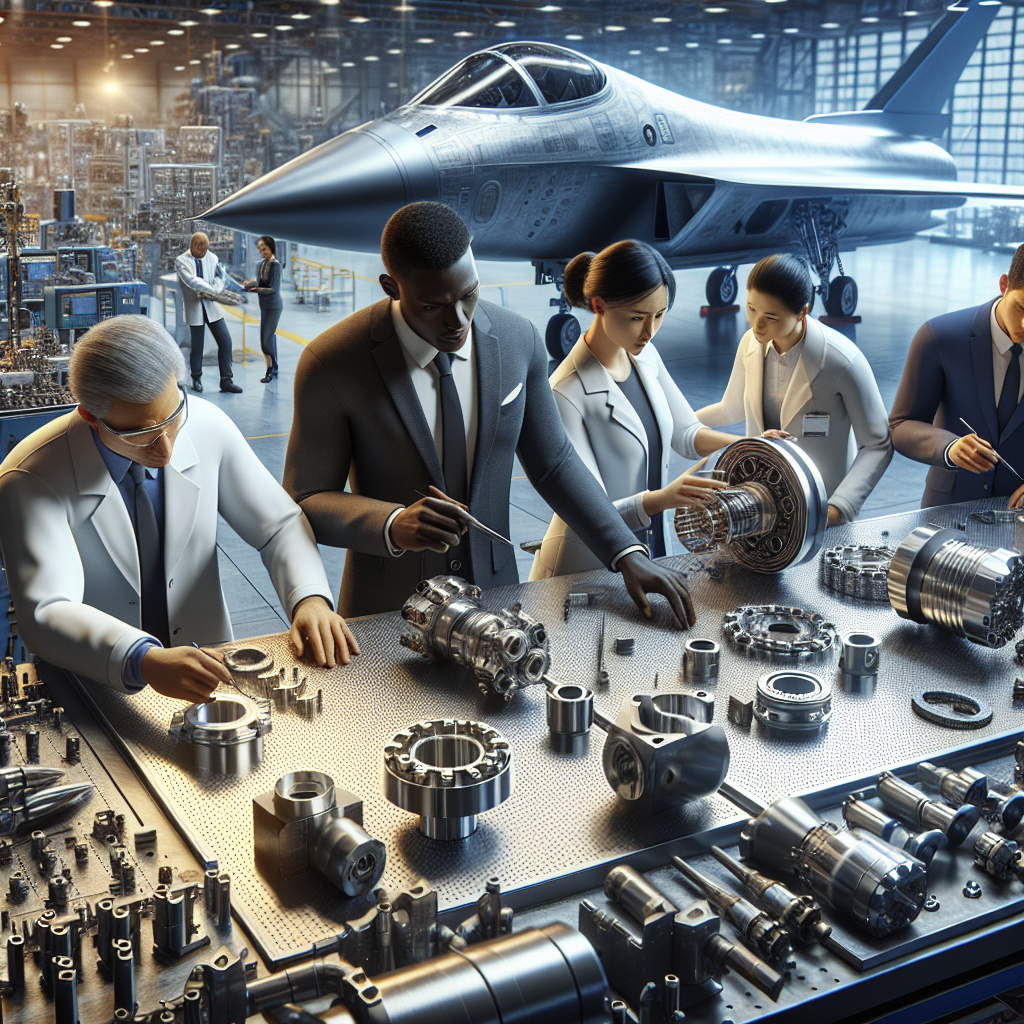
In the realm of Aerospace Engineering, the development and application of advanced materials have revolutionized the industry. These materials are crucial for enhancing the performance, safety, and efficiency of aerospace vehicles, including aircraft, spacecraft, and satellites. The importance of advanced materials in aerospace engineering cannot be overstated, as they enable the creation of lighter, stronger, and more durable structures. This article delves into the significance of advanced materials in aerospace engineering, exploring their fundamentals, historical development, applications, advanced topics, challenges, and future trends.
Fundamentals
Basic Principles and Concepts
Advanced materials in aerospace engineering refer to a class of materials that exhibit superior properties compared to conventional materials. These properties include high strength-to-weight ratios, excellent thermal stability, resistance to corrosion, and enhanced fatigue life. The primary categories of advanced materials used in aerospace engineering include composites, ceramics, metals, and polymers.
Key Terms and Definitions
- Composite Materials: Materials made from two or more constituent materials with significantly different physical or chemical properties. When combined, they produce a material with characteristics different from the individual components.
- Ceramics: Inorganic, non-metallic materials that are typically crystalline in nature and exhibit high hardness, thermal stability, and resistance to wear and corrosion.
- Metals: Elements or alloys that possess high electrical and thermal conductivity, malleability, ductility, and strength. Common aerospace metals include aluminum, titanium, and high-strength steels.
- Polymers: Large molecules composed of repeating structural units, which can be natural or synthetic. Polymers used in aerospace applications include high-performance plastics and elastomers.
Historical Development
Early Innovations
The history of advanced materials in aerospace engineering dates back to the early 20th century when aluminum alloys were first introduced in aircraft construction. Aluminum’s lightweight and high-strength properties made it an ideal material for building aircraft frames and components. The development of aluminum alloys such as Duralumin marked a significant milestone in aerospace engineering.
Mid-20th Century Advances
During World War II, the demand for more robust and efficient aircraft led to the exploration of new materials. The introduction of titanium alloys in the 1950s provided a material that was both lightweight and capable of withstanding high temperatures, making it suitable for jet engines and supersonic aircraft. The space race of the 1960s further accelerated the development of advanced materials, with the need for materials that could endure the harsh conditions of space.
Modern Developments
In recent decades, the advent of composite materials has transformed aerospace engineering. Carbon fiber-reinforced polymers (CFRPs) and other advanced composites offer exceptional strength-to-weight ratios and have become integral to modern aircraft and spacecraft design. The Boeing 787 Dreamliner and the Airbus A350 are prime examples of commercial aircraft that extensively use composite materials to achieve greater fuel efficiency and performance.
Applications
Aerospace Industry
Advanced materials are extensively used in the aerospace industry to enhance the performance and safety of aircraft and spacecraft. Some key applications include:
- Aircraft Structures: The use of composite materials in aircraft structures, such as wings, fuselages, and tail sections, reduces weight and improves fuel efficiency.
- Engine Components: High-temperature ceramics and superalloys are used in jet engines to withstand extreme temperatures and stresses, improving engine performance and longevity.
- Thermal Protection Systems: Advanced ceramics and ablative materials are used in thermal protection systems for spacecraft re-entry vehicles, protecting them from the intense heat generated during re-entry into the Earth’s atmosphere.
Other Industries
Beyond aerospace, advanced materials find applications in various other industries:
- Automotive Industry: Lightweight composites and high-strength metals are used to improve fuel efficiency and safety in vehicles.
- Medical Field: Advanced materials are used in medical implants, prosthetics, and diagnostic equipment due to their biocompatibility and durability.
- Energy Sector: High-performance materials are used in wind turbine blades, solar panels, and nuclear reactors to enhance efficiency and reliability.
Advanced Topics
Recent Research and Innovations
Recent research in advanced materials has focused on developing materials with even higher performance characteristics. Some notable innovations include:
- Nanomaterials: Materials engineered at the nanoscale exhibit unique properties, such as increased strength, conductivity, and thermal stability. Carbon nanotubes and graphene are examples of nanomaterials with potential aerospace applications.
- Smart Materials: These materials can respond to external stimuli, such as temperature, pressure, or electric fields, by changing their properties. Shape memory alloys and piezoelectric materials are examples of smart materials used in aerospace applications.
- 3D Printing: Additive manufacturing techniques, such as 3D printing, enable the production of complex geometries and customized components using advanced materials. This technology is revolutionizing the manufacturing process in aerospace engineering.
Future Trends
The future of advanced materials in aerospace engineering looks promising, with ongoing research and development aimed at creating materials with unprecedented properties. Some emerging trends include:
- Multifunctional Materials: Materials that combine multiple functions, such as structural integrity, thermal management, and energy storage, are being developed to enhance the performance of aerospace systems.
- Sustainable Materials: The aerospace industry is increasingly focusing on sustainability, leading to the development of eco-friendly materials and recycling techniques to reduce environmental impact.
- Bio-inspired Materials: Researchers are exploring materials inspired by nature, such as spider silk and nacre, to create lightweight and resilient structures for aerospace applications.
Challenges and Considerations
Technical Challenges
Despite the numerous advantages of advanced materials, several technical challenges must be addressed:
- Manufacturing Complexity: The production of advanced materials often involves complex and costly manufacturing processes, which can limit their widespread adoption.
- Material Characterization: Accurately characterizing the properties of advanced materials is essential for their reliable use in aerospace applications. This requires sophisticated testing and analysis techniques.
- Durability and Longevity: Ensuring the long-term durability and performance of advanced materials under harsh operating conditions is a critical consideration in aerospace engineering.
Potential Solutions
To overcome these challenges, researchers and engineers are exploring various solutions:
- Advanced Manufacturing Techniques: Innovations in manufacturing, such as additive manufacturing and automated fiber placement, are being developed to streamline the production of advanced materials.
- Improved Testing Methods: Advanced testing and simulation techniques are being employed to better understand the behavior of advanced materials under different conditions.
- Material Optimization: Ongoing research aims to optimize the composition and structure of advanced materials to enhance their performance and reliability.
Conclusion
Advanced materials play a pivotal role in the field of aerospace engineering, enabling the development of lighter, stronger, and more efficient aerospace vehicles. From the early use of aluminum alloys to the modern application of composite materials and nanomaterials, the evolution of advanced materials has significantly impacted the aerospace industry. While challenges remain, ongoing research and innovation continue to push the boundaries of what is possible, promising a future where advanced materials will further revolutionize aerospace engineering. The importance of these materials in enhancing performance, safety, and sustainability underscores their critical role in the advancement of aerospace technology.