Space Tourism
Introduction
Space tourism, once a concept relegated to the realms of science fiction, has rapidly evolved into a burgeoning industry with significant implications for the field of Aerospace Engineering. This innovative sector aims to make space travel accessible to private individuals, offering experiences ranging from suborbital flights to extended stays in space habitats. The importance of space tourism extends beyond mere adventure; it has the potential to drive technological advancements, stimulate economic growth, and inspire a new generation of engineers and scientists. In this article, we will delve into the various aspects of space tourism, exploring its fundamentals, historical development, applications, advanced topics, challenges, and future prospects.
Fundamentals
Basic Principles and Concepts
Space tourism involves the commercial provision of space travel experiences to private individuals. The fundamental principles of space tourism are rooted in aerospace engineering, which encompasses the design, development, and operation of vehicles capable of reaching and operating in space. Key concepts include:
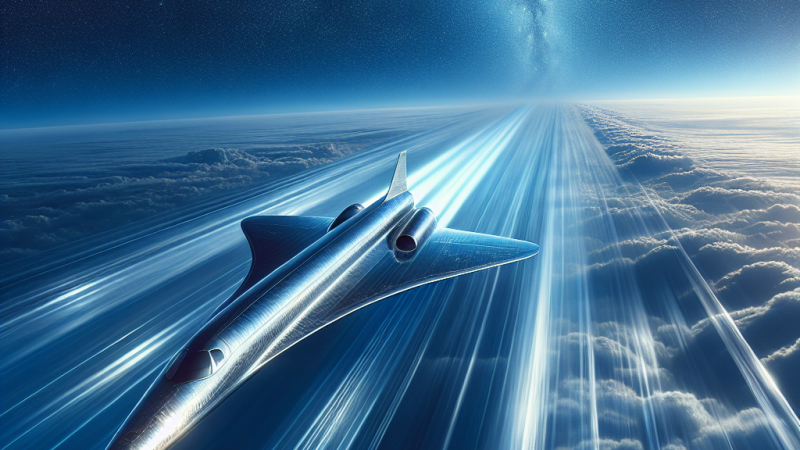
- Suborbital Flights: These flights reach the edge of space (approximately 100 kilometers above Earth) but do not complete an orbit. Passengers experience a few minutes of weightlessness before returning to Earth.
- Orbital Flights: These flights involve reaching a stable orbit around Earth, allowing for extended stays in space. This requires more advanced technology and greater energy expenditure.
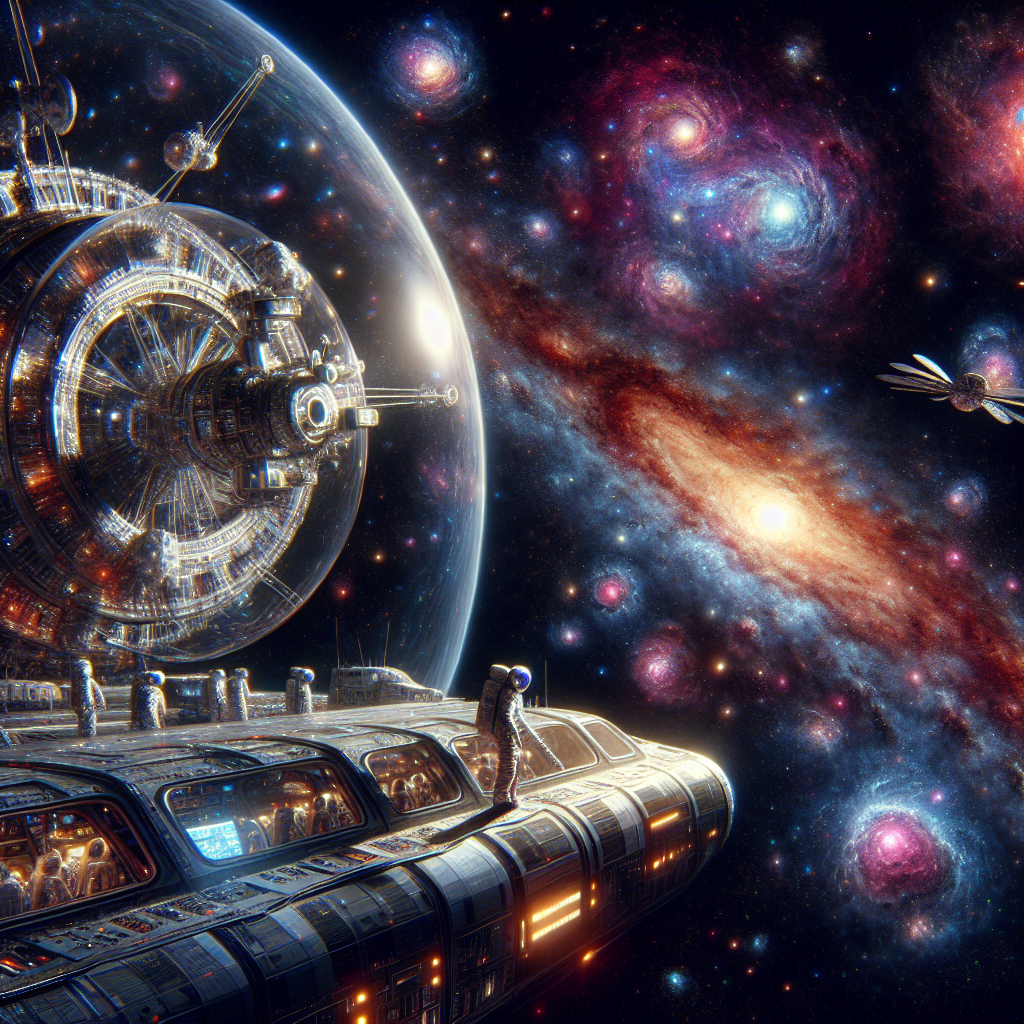
- Space Habitats: Structures designed to support human life in space for extended periods. These can range from space stations to lunar bases.
- Launch Vehicles: Rockets and spacecraft designed to transport passengers and cargo to space. These vehicles must overcome Earth’s gravity and safely return to the surface.
Key Terms
- Microgravity: The condition of experiencing very low gravitational forces, typically encountered in orbit.
- Reentry: The process of a spacecraft returning to Earth’s atmosphere from space, requiring precise engineering to manage heat and aerodynamic forces.
- Payload: The cargo or passengers carried by a spacecraft.
- Thrust: The force generated by a rocket engine to propel a spacecraft.
Historical Development
Early Milestones
The concept of space tourism can be traced back to the early days of space exploration. In 1961, Yuri Gagarin became the first human to journey into space, marking a significant milestone. However, it wasn’t until the late 20th century that the idea of commercial space travel began to take shape.
Notable Figures and Contributions
Several key figures have played pivotal roles in the development of space tourism:
- Elon Musk: Founder of SpaceX, Musk has been instrumental in advancing reusable rocket technology, significantly reducing the cost of space travel.
- Richard Branson: Founder of Virgin Galactic, Branson has focused on developing suborbital space tourism, aiming to make space accessible to a broader audience.
- Jeff Bezos: Founder of Blue Origin, Bezos has invested heavily in developing reusable rockets and space habitats, with a long-term vision of enabling human settlement in space.
Key Milestones
- 2001: Dennis Tito becomes the first space tourist, traveling to the International Space Station (ISS) aboard a Russian Soyuz spacecraft.
- 2004: SpaceShipOne, developed by Scaled Composites, becomes the first privately funded spacecraft to reach suborbital space.
- 2012: SpaceX’s Dragon spacecraft successfully docks with the ISS, demonstrating the viability of commercial space missions.
- 2021: Blue Origin and Virgin Galactic conduct successful suborbital flights with private passengers, marking a new era in space tourism.
Applications
Commercial Space Travel
The primary application of space tourism is commercial space travel, offering unique experiences to private individuals. Companies like Virgin Galactic and Blue Origin provide suborbital flights, allowing passengers to experience weightlessness and view Earth from space. SpaceX is working on more ambitious projects, including orbital flights and missions to the Moon and Mars.
Scientific Research
Space tourism also has significant implications for scientific research. Private missions can carry scientific payloads, enabling experiments in microgravity and other unique conditions. This can lead to advancements in fields such as materials science, biology, and medicine.
Economic Impact
The space tourism industry has the potential to stimulate economic growth by creating new markets and job opportunities. It can drive innovation in aerospace engineering, leading to the development of new technologies and infrastructure. Additionally, space tourism can attract investment and foster international collaboration.
Case Studies
- SpaceX Inspiration4 Mission: In 2021, SpaceX launched the Inspiration4 mission, the first all-civilian orbital mission. The mission raised funds for St. Jude Children’s Research Hospital and demonstrated the potential for private individuals to participate in space missions.
- Virgin Galactic Unity 22 Flight: In 2021, Virgin Galactic’s Unity 22 flight carried founder Richard Branson and other passengers to the edge of space, showcasing the feasibility of suborbital space tourism.
Advanced Topics
Reusable Rocket Technology
One of the most significant advancements in space tourism is the development of reusable rocket technology. Companies like SpaceX and Blue Origin have pioneered reusable rockets, which can be launched, landed, and relaunched multiple times. This innovation drastically reduces the cost of space travel, making it more accessible to private individuals.
Space Habitats and Colonization
Looking to the future, space tourism could pave the way for space habitats and colonization. Concepts such as the Lunar Gateway, a planned space station orbiting the Moon, and Mars habitats are being explored. These developments could enable longer stays in space and even permanent human settlements on other celestial bodies.
Recent Research and Innovations
Recent research in space tourism includes advancements in life support systems, radiation protection, and space vehicle design. Innovations such as 3D printing in space, autonomous spacecraft, and advanced propulsion systems are being developed to enhance the safety and efficiency of space travel.
Challenges and Considerations
Technical Challenges
Space tourism faces several technical challenges, including:
- Safety: Ensuring the safety of passengers is paramount. This involves rigorous testing, redundancy in critical systems, and effective emergency protocols.
- Cost: Despite advancements in reusable technology, space travel remains expensive. Reducing costs further is essential for making space tourism more accessible.
- Environmental Impact: Rocket launches have environmental implications, including carbon emissions and potential damage to the ozone layer. Sustainable practices and alternative propulsion methods are being explored.
Regulatory and Ethical Considerations
Space tourism also involves regulatory and ethical considerations:
- Regulation: Establishing clear regulations for commercial space travel is crucial to ensure safety and accountability. This includes licensing, insurance, and international cooperation.
- Ethics: Ethical considerations include the potential for space tourism to exacerbate social inequalities, as well as the impact on space environments and celestial bodies.
Potential Solutions
Addressing these challenges requires a multifaceted approach:
- Innovation: Continued innovation in aerospace engineering can lead to safer, more efficient, and cost-effective space travel.
- Collaboration: International collaboration and public-private partnerships can help establish regulatory frameworks and share best practices.
- Sustainability: Developing sustainable technologies and practices can mitigate the environmental impact of space tourism.
Conclusion
Space tourism represents a transformative frontier in the field of Aerospace Engineering. It combines cutting-edge technology, scientific research, and commercial enterprise to make space accessible to private individuals. While significant challenges remain, the potential benefits of space tourism are immense, from driving technological advancements to inspiring future generations. As we continue to explore the final frontier, space tourism will undoubtedly play a crucial role in shaping the future of human space exploration and our understanding of the universe.