Engineering Design of Mechanical Systems
Introduction
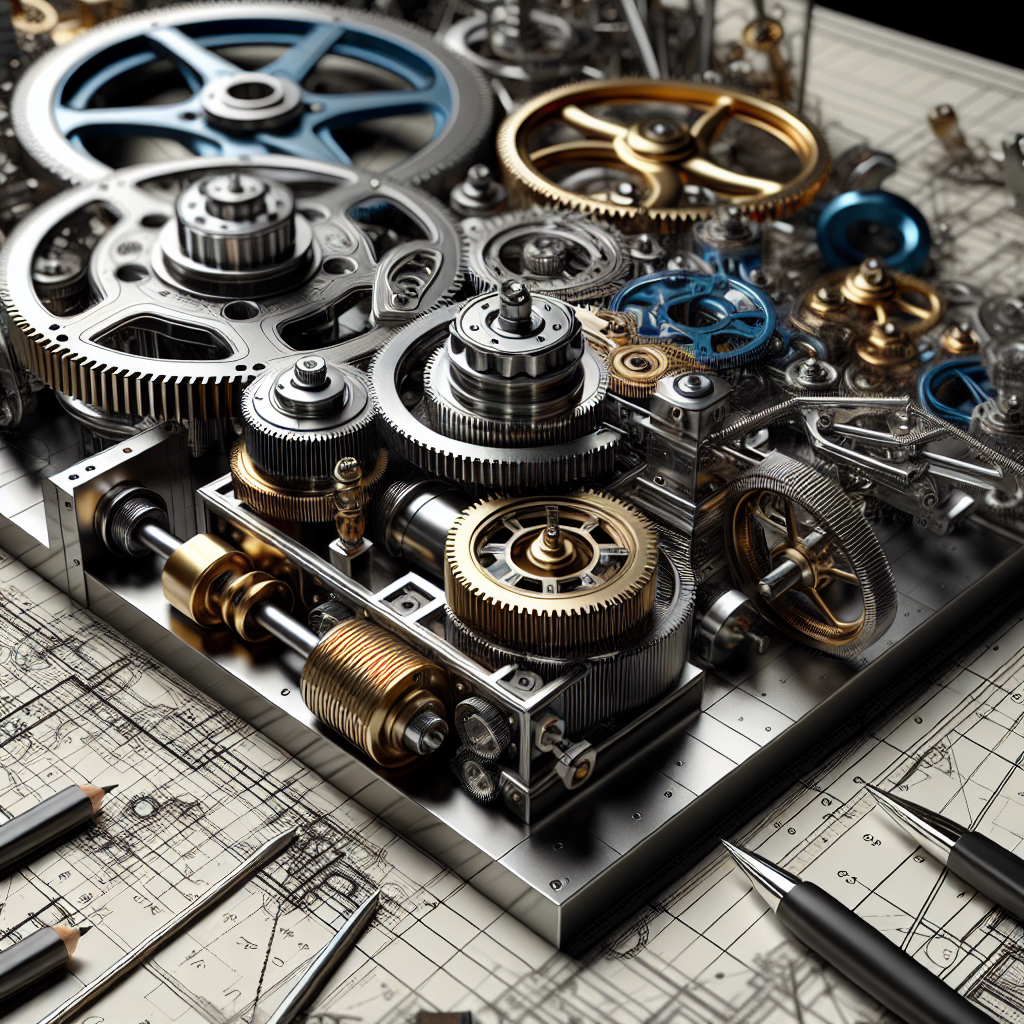
The engineering design of mechanical systems is a cornerstone of modern engineering, playing a pivotal role in the development and optimization of machinery, tools, and devices that drive various industries. This field encompasses the application of scientific principles, technical knowledge, and creative problem-solving to create functional and efficient mechanical systems. The importance of engineering design in mechanical systems cannot be overstated, as it directly impacts the performance, reliability, and safety of the products and processes that shape our daily lives. From automotive engineering to aerospace, manufacturing, and robotics, the principles of mechanical system design are integral to innovation and technological advancement.
Fundamentals
Basic Principles and Concepts
At its core, the engineering design of mechanical systems involves the systematic application of engineering principles to create solutions that meet specific requirements. Key concepts include:
- Design Process: A structured approach that typically involves stages such as problem definition, conceptual design, detailed design, prototyping, testing, and iteration.
- Mechanics: The study of forces and their effects on matter, which is fundamental to understanding how mechanical systems operate.
- Materials Science: The study of material properties and their applications in engineering, crucial for selecting appropriate materials for different components.
- Thermodynamics: The study of energy transfer and conversion, essential for designing systems involving heat and work.
- Fluid Mechanics: The study of fluids (liquids and gases) and their behavior, important for systems involving fluid flow.
- Control Systems: The study of how to manage and regulate the behavior of dynamic systems, often through feedback loops.
Key Terms
- Stress and Strain: Measures of internal forces and deformations in materials.
- Fatigue: The weakening of a material caused by repeated loading and unloading cycles.
- Finite Element Analysis (FEA): A computational method for predicting how structures respond to external forces, vibrations, heat, and other physical effects.
- Computer-Aided Design (CAD): Software used to create precision drawings and technical illustrations.
- Reliability Engineering: The study of the longevity and dependability of systems and components.
Historical Development
The evolution of mechanical system design is a testament to human ingenuity and the relentless pursuit of innovation. Key milestones include:
Ancient and Medieval Contributions
Early mechanical systems can be traced back to ancient civilizations. The Greeks and Romans developed complex machinery such as the Antikythera mechanism and aqueducts. During the medieval period, inventors like Leonardo da Vinci conceptualized numerous mechanical devices, laying the groundwork for future advancements.
Industrial Revolution
The Industrial Revolution marked a significant turning point, with the advent of steam engines, textile machinery, and mass production techniques. Figures like James Watt and George Stephenson made groundbreaking contributions that revolutionized transportation and manufacturing.
20th Century and Beyond
The 20th century saw rapid advancements in mechanical engineering, driven by the demands of World War I and II, and the subsequent technological boom. The development of computer technology in the latter half of the century introduced powerful tools like CAD and FEA, transforming the design process. Notable figures such as Henry Ford and Nikola Tesla made lasting impacts on automotive and electrical engineering, respectively.
Applications
The principles of mechanical system design are applied across a wide range of industries, each with unique requirements and challenges. Some notable applications include:
Automotive Engineering
Mechanical system design is crucial in the automotive industry for developing engines, transmissions, suspension systems, and safety features. For example, the design of an internal combustion engine involves optimizing parameters such as fuel efficiency, power output, and emissions.
Aerospace Engineering
In aerospace, mechanical system design is essential for creating aircraft structures, propulsion systems, and control mechanisms. The design of a jet engine, for instance, requires meticulous attention to aerodynamics, thermodynamics, and material properties to ensure performance and safety at high altitudes and speeds.
Manufacturing
Manufacturing relies heavily on mechanical systems for automation, material handling, and production processes. Robotics and CNC (Computer Numerical Control) machines are prime examples of mechanical systems designed to enhance precision, efficiency, and repeatability in manufacturing operations.
Renewable Energy
The design of mechanical systems is also pivotal in the renewable energy sector. Wind turbines, for example, require sophisticated mechanical design to optimize blade aerodynamics, gearbox efficiency, and structural integrity under varying wind conditions.
Advanced Topics
Recent Research and Innovations
Recent advancements in mechanical system design are driven by the integration of new materials, computational methods, and interdisciplinary approaches. Some cutting-edge topics include:
- Smart Materials: Materials that can change properties in response to external stimuli, such as shape-memory alloys and piezoelectric materials, are being integrated into mechanical systems for adaptive and responsive designs.
- Biomechanics: The application of mechanical principles to biological systems is leading to innovations in medical devices, prosthetics, and wearable technology.
- Additive Manufacturing: Also known as 3D printing, this technology allows for the creation of complex geometries and customized components, revolutionizing prototyping and production processes.
- Artificial Intelligence (AI): AI and machine learning are being used to optimize design processes, predict system behavior, and enhance control systems.
Future Trends
The future of mechanical system design is likely to be shaped by trends such as increased automation, the Internet of Things (IoT), and sustainable engineering practices. The development of autonomous vehicles, smart factories, and energy-efficient systems will continue to push the boundaries of what is possible in mechanical engineering.
Challenges and Considerations
Despite the advancements, the engineering design of mechanical systems faces several challenges and considerations:
Complexity and Integration
Modern mechanical systems are becoming increasingly complex, requiring the integration of multiple disciplines such as electronics, software, and materials science. Ensuring seamless integration and interoperability is a significant challenge.
Environmental Impact
The environmental impact of mechanical systems is a growing concern. Engineers must consider factors such as energy efficiency, emissions, and material sustainability in their designs. The shift towards green engineering practices is essential for mitigating environmental impact.
Reliability and Safety
Ensuring the reliability and safety of mechanical systems is paramount, especially in critical applications such as aerospace and healthcare. Engineers must rigorously test and validate designs to prevent failures and ensure compliance with safety standards.
Cost and Time Constraints
Balancing cost and time constraints with the need for high-quality, innovative designs is a constant challenge. Engineers must employ efficient design processes and leverage advanced tools to meet project deadlines and budgetary requirements.
Conclusion
The engineering design of mechanical systems is a dynamic and multifaceted field that underpins many of the technological advancements we see today. From its historical roots to its modern applications and future trends, the principles of mechanical system design continue to evolve, driven by the need for innovation, efficiency, and sustainability. As engineers tackle the challenges and embrace the opportunities presented by new materials, computational methods, and interdisciplinary approaches, the future of mechanical system design promises to be both exciting and transformative. The importance of this field in engineering cannot be overstated, as it plays a crucial role in shaping the products and processes that define our world.