
Engineering Design in Automotive
Introduction
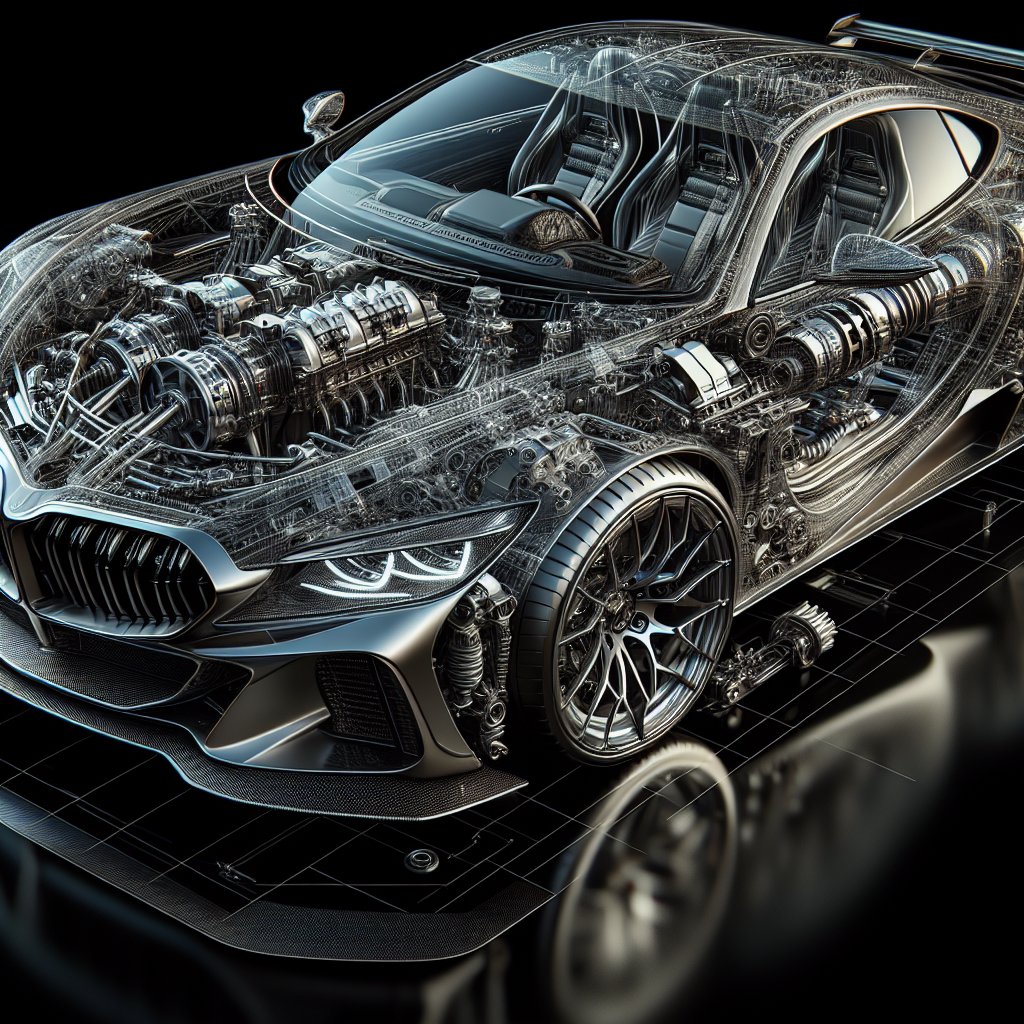
Engineering design in the automotive industry is a multifaceted discipline that plays a crucial role in the development, innovation, and production of vehicles. This field encompasses a wide range of activities, from conceptual design and prototyping to testing and manufacturing. The importance of engineering design in automotive cannot be overstated, as it directly impacts vehicle performance, safety, efficiency, and user experience. In an era where technological advancements and environmental concerns are at the forefront, the role of engineering design in automotive has become even more significant. This article delves into the various aspects of engineering design in the automotive industry, exploring its fundamentals, historical development, applications, advanced topics, challenges, and future trends.
Fundamentals
Basic Principles and Concepts
Engineering design in the automotive industry involves the application of scientific principles, technical knowledge, and creative thinking to develop vehicles that meet specific requirements and constraints. The process typically follows a systematic approach, which includes:
- Problem Definition: Identifying the needs and requirements of the vehicle, including performance, safety, cost, and environmental impact.
- Conceptual Design: Generating and evaluating multiple design concepts to find the most feasible solution.
- Detailed Design: Developing detailed specifications, drawings, and models of the chosen concept.
- Prototyping and Testing: Building prototypes and conducting tests to validate the design and identify any issues.
- Production and Implementation: Finalizing the design for mass production and ensuring that manufacturing processes are optimized.
Key Terms
- CAD (Computer-Aided Design): Software used to create precise drawings and models of vehicle components.
- CAE (Computer-Aided Engineering): Tools used for simulation and analysis of vehicle performance.
- CFD (Computational Fluid Dynamics): A branch of fluid mechanics that uses numerical analysis to study fluid flow around vehicle bodies.
- FMEA (Failure Mode and Effects Analysis): A systematic method for identifying potential failure modes and their impact on vehicle performance.
- DFM (Design for Manufacturability): Designing vehicle components in a way that simplifies manufacturing processes and reduces costs.
Historical Development
Early Innovations
The history of automotive engineering design dates back to the late 19th century when the first automobiles were developed. Karl Benz is often credited with creating the first practical automobile in 1885, which featured a single-cylinder engine. Early automotive design focused on basic functionality and reliability, with little emphasis on aesthetics or advanced features.
Mid-20th Century
The mid-20th century saw significant advancements in automotive design, driven by the increasing demand for faster, safer, and more comfortable vehicles. Notable figures such as Ferdinand Porsche and Harley Earl made substantial contributions to the field. Porsche’s work on the Volkswagen Beetle and Earl’s introduction of the concept car at General Motors revolutionized automotive design.
Modern Era
In recent decades, the automotive industry has witnessed a surge in technological innovations. The introduction of computer-aided design (CAD) and computer-aided engineering (CAE) tools has transformed the design process, allowing for more precise and efficient development. The focus has also shifted towards sustainability, with electric and hybrid vehicles becoming more prevalent.
Applications
Passenger Vehicles
Engineering design in the automotive industry is most commonly associated with passenger vehicles. This includes the design of sedans, SUVs, trucks, and electric vehicles. Key considerations in passenger vehicle design include safety, fuel efficiency, comfort, and aesthetics. For example, the design of the Tesla Model S involved extensive use of CAD and CAE tools to optimize aerodynamics and battery performance.
Commercial Vehicles
Commercial vehicles, such as buses, trucks, and delivery vans, also benefit from advanced engineering design. These vehicles require robust designs to handle heavy loads and long distances. The use of materials like high-strength steel and aluminum, along with advanced suspension systems, ensures durability and reliability. The design of the Mercedes-Benz Actros truck, for instance, incorporates advanced aerodynamics and fuel-efficient engines to meet the demands of long-haul transportation.
Specialized Vehicles
Specialized vehicles, including military vehicles, emergency response vehicles, and construction equipment, require unique design considerations. These vehicles must meet stringent performance and safety standards while operating in challenging environments. The design of the HMMWV (High Mobility Multipurpose Wheeled Vehicle), commonly known as the Humvee, involved extensive testing and optimization to ensure its capability in rugged terrains.
Advanced Topics
Autonomous Vehicles
The development of autonomous vehicles represents one of the most significant advancements in automotive engineering design. Autonomous vehicles rely on a combination of sensors, artificial intelligence, and advanced algorithms to navigate and operate without human intervention. Companies like Waymo and Tesla are at the forefront of this technology, conducting extensive research and testing to bring fully autonomous vehicles to market.
Electric and Hybrid Vehicles
The shift towards electric and hybrid vehicles has introduced new challenges and opportunities in automotive design. Engineers must consider factors such as battery placement, weight distribution, and thermal management. The design of the Chevrolet Bolt EV, for example, involved innovative solutions to maximize battery efficiency and range while maintaining a compact and practical design.
Lightweight Materials
The use of lightweight materials, such as carbon fiber and advanced composites, is becoming increasingly important in automotive design. These materials offer significant weight savings, which can improve fuel efficiency and performance. The BMW i8, a plug-in hybrid sports car, utilizes a carbon fiber-reinforced plastic (CFRP) body to achieve a lightweight yet strong structure.
Challenges and Considerations
Safety and Regulations
Ensuring vehicle safety is a paramount concern in automotive design. Engineers must adhere to stringent safety regulations and standards, which can vary by region. This includes crash testing, occupant protection, and the integration of advanced safety features such as airbags and electronic stability control. Balancing safety with other design considerations, such as weight and cost, remains a significant challenge.
Environmental Impact
The environmental impact of vehicles is a growing concern, driving the need for more sustainable design practices. This includes reducing emissions, improving fuel efficiency, and developing alternative powertrains such as electric and hydrogen fuel cells. Engineers must also consider the lifecycle impact of materials and manufacturing processes, striving to minimize the environmental footprint of vehicles.
Cost and Manufacturing Constraints
Designing vehicles that are cost-effective to produce while meeting performance and quality standards is a complex challenge. Engineers must optimize designs for manufacturability, considering factors such as material costs, production methods, and assembly processes. The use of advanced manufacturing techniques, such as additive manufacturing (3D printing), offers new possibilities but also introduces new challenges.
Conclusion
Engineering design in the automotive industry is a dynamic and evolving field that plays a critical role in shaping the future of transportation. From the early innovations of Karl Benz to the cutting-edge developments in autonomous and electric vehicles, the field has made significant strides. The integration of advanced technologies, materials, and design methodologies continues to drive progress, addressing challenges related to safety, sustainability, and cost. As the automotive industry moves towards a more connected and sustainable future, the importance of engineering design will only continue to grow, ensuring that vehicles meet the ever-changing needs and expectations of society.