Energy Systems in Building Design
Introduction
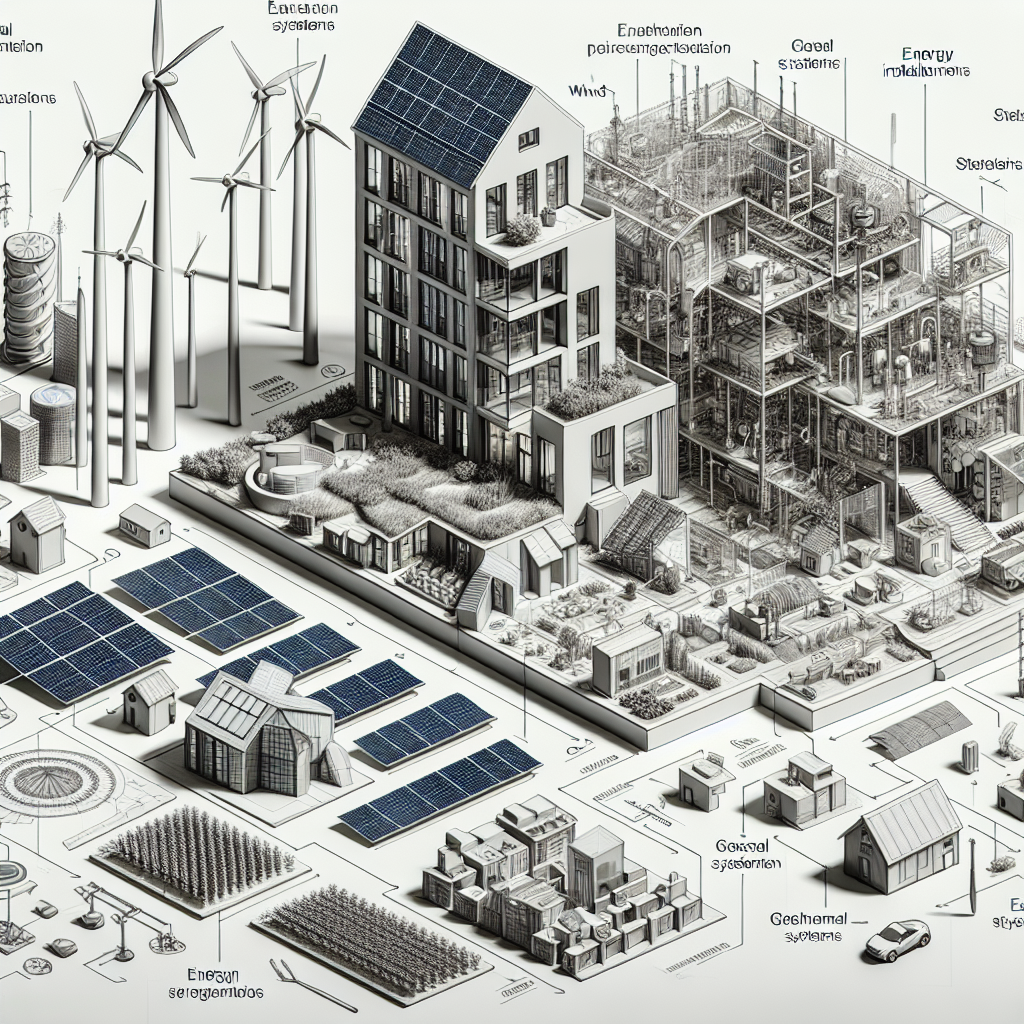
Energy systems in building design are a critical aspect of modern engineering, focusing on the efficient use and management of energy within buildings. As the world grapples with climate change and the need for sustainable development, the importance of energy-efficient buildings has never been more pronounced. This field encompasses a wide range of technologies and methodologies aimed at reducing energy consumption, lowering greenhouse gas emissions, and enhancing the overall sustainability of built environments. In this article, we will delve into the fundamentals, historical development, applications, advanced topics, challenges, and considerations associated with energy systems in building design.
Fundamentals
Basic Principles and Concepts
Energy systems in building design revolve around the principles of energy conservation, efficiency, and sustainability. The primary goal is to minimize energy consumption while maintaining or improving the comfort and functionality of the building. Key concepts include:
- Energy Efficiency: The ratio of useful energy output to the total energy input, aiming to maximize the former while minimizing the latter.
- Renewable Energy: Energy derived from natural sources that are replenished on a human timescale, such as solar, wind, and geothermal energy.
- Building Envelope: The physical barrier between the interior and exterior of a building, including walls, roofs, windows, and doors, which plays a crucial role in energy conservation.
- HVAC Systems: Heating, Ventilation, and Air Conditioning systems that regulate indoor climate and air quality.
- Passive Design: Design strategies that utilize natural energy flows to maintain thermal comfort, such as natural ventilation and daylighting.
Theories and Key Terms
Several theories underpin the design and implementation of energy systems in buildings:
- Thermodynamics: The study of energy transfer and conversion, essential for understanding heating and cooling processes.
- Heat Transfer: The movement of heat between different parts of a building, which can occur through conduction, convection, and radiation.
- Energy Modeling: The use of computer simulations to predict a building’s energy performance, helping to optimize design choices.
Historical Development
Early Innovations
The concept of energy-efficient building design is not new. Ancient civilizations, such as the Greeks and Romans, employed passive design techniques to enhance thermal comfort. For instance, they used thick walls and strategic orientation to regulate indoor temperatures.
Modern Milestones
The modern era of energy systems in building design began in the 20th century with the advent of mechanical HVAC systems and the development of insulation materials. Key milestones include:
- 1970s Energy Crisis: This period saw a surge in interest in energy efficiency due to rising energy costs and supply concerns. It led to the development of energy codes and standards.
- LEED Certification: Launched in 1998, the Leadership in Energy and Environmental Design (LEED) certification system set benchmarks for sustainable building practices.
- Net-Zero Energy Buildings: The concept of buildings that produce as much energy as they consume gained traction in the early 21st century, driven by advancements in renewable energy technologies.
Applications
Residential Buildings
In residential buildings, energy systems focus on reducing energy consumption through efficient HVAC systems, high-performance windows, and insulation. Smart home technologies, such as programmable thermostats and energy-efficient appliances, also play a significant role.
Commercial Buildings
Commercial buildings often have more complex energy needs due to their size and usage patterns. Energy systems in these buildings may include advanced HVAC systems, energy management systems (EMS), and renewable energy installations like solar panels. Case studies, such as the Bullitt Center in Seattle, demonstrate the potential for commercial buildings to achieve net-zero energy status.
Industrial Applications
In industrial settings, energy systems are designed to optimize the energy efficiency of manufacturing processes. This can involve waste heat recovery, energy-efficient lighting, and the integration of renewable energy sources. For example, the use of combined heat and power (CHP) systems can significantly reduce energy costs and emissions in industrial facilities.
Advanced Topics
Building Information Modeling (BIM)
BIM is a digital representation of a building’s physical and functional characteristics. It allows for the integration of energy modeling and analysis, enabling designers to optimize energy performance from the early stages of design.
Smart Grids and Buildings
The integration of smart grids with building energy systems allows for real-time monitoring and management of energy consumption. This can lead to more efficient energy use and the ability to respond to demand fluctuations. Recent research focuses on the development of algorithms for optimizing energy use in smart buildings.
Innovations in Renewable Energy
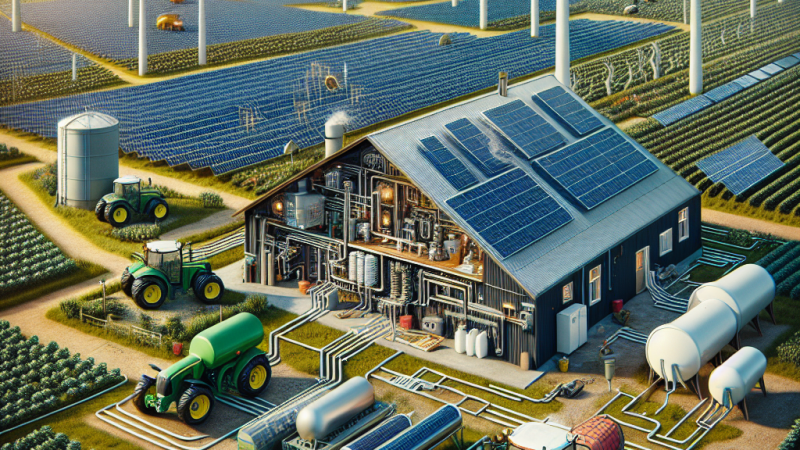
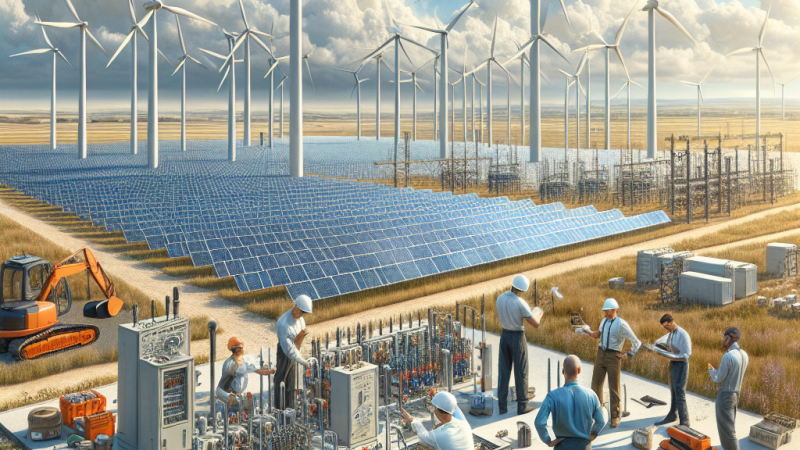
Recent advancements in renewable energy technologies, such as perovskite solar cells and advanced wind turbines, are making it more feasible for buildings to generate their own energy. Future trends include the integration of energy storage systems, such as batteries, to enhance the reliability of renewable energy sources.
Challenges and Considerations
Technical Challenges
One of the primary challenges in energy systems for building design is the integration of various technologies into a cohesive system. This requires a multidisciplinary approach and advanced modeling tools. Additionally, the variability of renewable energy sources can pose reliability issues.
Economic Considerations
The initial cost of implementing energy-efficient technologies can be high, which may deter some building owners. However, the long-term savings in energy costs and potential incentives can offset these initial investments. Economic analyses and life-cycle cost assessments are essential for making informed decisions.
Regulatory and Policy Issues
Regulations and policies play a significant role in promoting energy-efficient building practices. However, inconsistent standards and lack of enforcement can hinder progress. There is a need for more stringent and uniform regulations to drive widespread adoption of energy-efficient technologies.
Potential Solutions
To address these challenges, ongoing research and development are crucial. Innovations in materials science, such as the development of high-performance insulation materials, can enhance energy efficiency. Additionally, policies that provide financial incentives for energy-efficient building practices can encourage adoption.
Conclusion
Energy systems in building design are a vital component of sustainable development and climate change mitigation. By understanding the fundamentals, historical development, and practical applications, we can appreciate the importance of this field in modern engineering. Advanced topics, such as BIM and smart grids, offer exciting opportunities for future innovations. However, challenges related to technical integration, economic considerations, and regulatory issues must be addressed to fully realize the potential of energy-efficient buildings. As we move forward, continued research and development, coupled with supportive policies, will be essential in driving the adoption of energy systems in building design, ultimately contributing to a more sustainable and energy-efficient future.