Diesel Cycle
Introduction
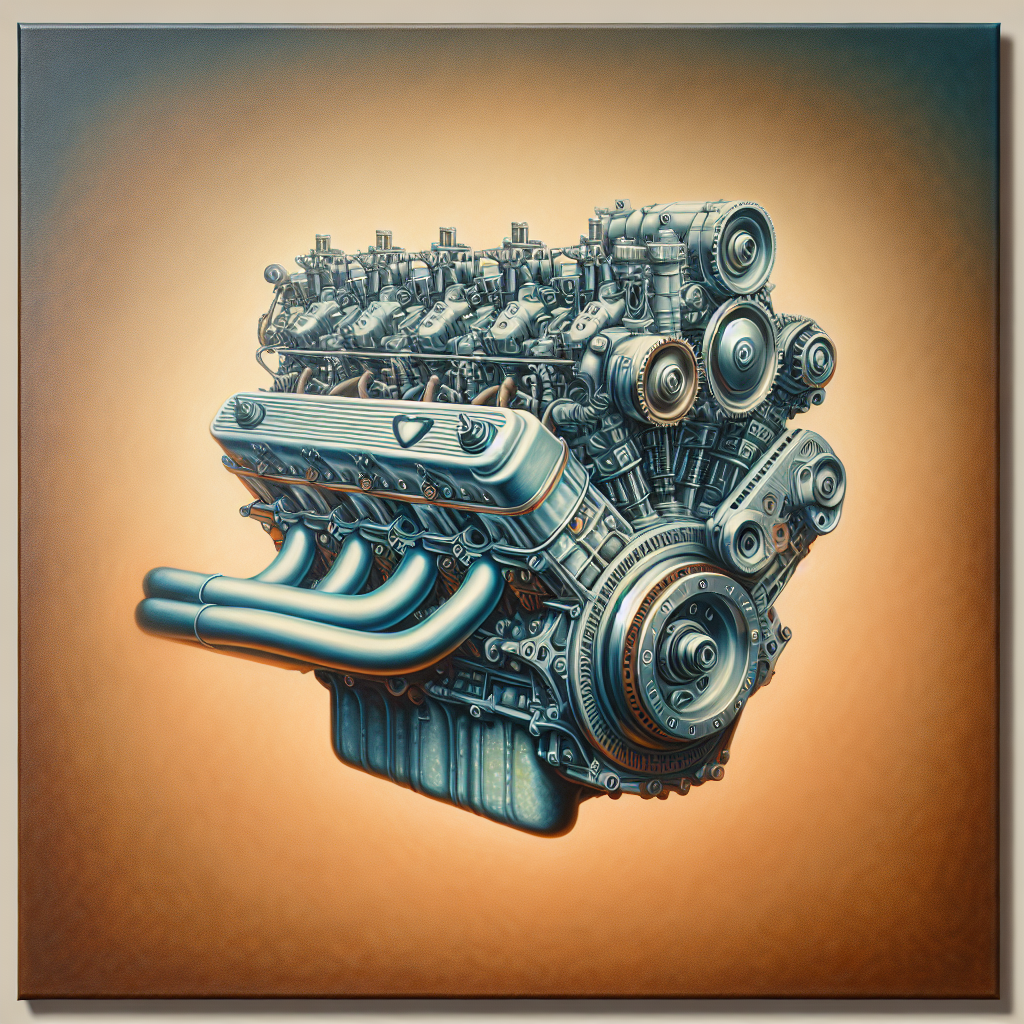
The Diesel Cycle is a fundamental concept in the field of thermodynamics and mechanical engineering, particularly in the design and operation of internal combustion engines. Named after its inventor, Rudolf Diesel, this cycle is the basis for the operation of diesel engines, which are widely used in various applications ranging from automotive and marine engines to power generation and industrial machinery. Understanding the Diesel Cycle is crucial for engineers and researchers as it provides insights into the efficiency, performance, and environmental impact of diesel engines. This article aims to provide a comprehensive overview of the Diesel Cycle, covering its fundamentals, historical development, applications, advanced topics, challenges, and considerations.
Fundamentals
Basic Principles and Concepts
The Diesel Cycle is a thermodynamic cycle that describes the process of energy conversion in a diesel engine. It consists of four distinct stages: isentropic compression, constant pressure heat addition, isentropic expansion, and constant volume heat rejection. These stages can be represented on a pressure-volume (P-V) diagram, which is a useful tool for visualizing the cycle.
Key Terms and Definitions
- Isentropic Process: A thermodynamic process in which entropy remains constant.
- Compression Ratio: The ratio of the maximum to minimum volume in the cylinder of an internal combustion engine.
- Heat Addition: The process of adding heat to the working fluid, typically air, at constant pressure.
- Expansion: The process where the working fluid does work on the surroundings, leading to a decrease in pressure and temperature.
- Heat Rejection: The process of removing heat from the working fluid at constant volume.
Theoretical Framework
The Diesel Cycle can be broken down into the following stages:
- Isentropic Compression: The air is compressed adiabatically, meaning no heat is exchanged with the surroundings. This increases the pressure and temperature of the air.
- Constant Pressure Heat Addition: Fuel is injected into the compressed air, and combustion occurs at constant pressure. This increases the temperature and volume of the working fluid.
- Isentropic Expansion: The high-pressure, high-temperature gases expand adiabatically, doing work on the piston and decreasing in pressure and temperature.
- Constant Volume Heat Rejection: The exhaust valve opens, and the remaining heat is rejected at constant volume, preparing the cylinder for the next cycle.
Historical Development
Early Innovations
The Diesel Cycle was conceptualized by Rudolf Diesel in the late 19th century. Diesel was motivated by the inefficiencies of the steam engines and the Otto cycle engines of his time. He aimed to create an engine that would be more efficient and capable of using a variety of fuels.
Key Milestones
- 1892: Rudolf Diesel was granted a patent for his engine design.
- 1897: The first successful diesel engine was built and demonstrated, achieving an efficiency of 26%, which was significantly higher than contemporary engines.
- 1920s: Diesel engines began to be used in submarines and ships, marking their entry into marine applications.
- 1930s: The development of high-speed diesel engines made them suitable for automotive applications, particularly in trucks and buses.
- 1950s: Diesel engines started to be used in power generation and industrial applications.
Notable Figures
Rudolf Diesel is the most notable figure associated with the Diesel Cycle. His pioneering work laid the foundation for the development of diesel engines. Other significant contributors include Charles F. Kettering, who developed the high-speed diesel engine, and Clessie Cummins, who played a crucial role in popularizing diesel engines in the automotive industry.
Applications
Automotive Industry
Diesel engines are widely used in the automotive industry, particularly in heavy-duty vehicles such as trucks, buses, and construction equipment. Their high torque and fuel efficiency make them ideal for applications requiring significant power and endurance.
Marine and Rail Transport
Diesel engines are the primary power source for marine vessels, including cargo ships, tankers, and submarines. They are also used in locomotives, providing reliable and efficient power for rail transport.
Power Generation
Diesel engines are used in power generation, particularly in remote areas or during peak demand periods. They serve as backup generators for hospitals, data centers, and other critical infrastructure.
Industrial Applications
In industrial settings, diesel engines power machinery such as compressors, pumps, and generators. Their robustness and reliability make them suitable for harsh operating conditions.
Case Studies
One notable case study is the use of diesel engines in the maritime industry. The transition from steam to diesel engines in the early 20th century revolutionized marine transport, leading to more efficient and reliable ships. Another example is the widespread adoption of diesel engines in commercial trucks, which has significantly improved fuel efficiency and reduced operating costs for logistics companies.
Advanced Topics
Recent Research and Innovations
Recent research in diesel engine technology focuses on improving efficiency and reducing emissions. Innovations such as turbocharging, direct fuel injection, and advanced combustion techniques have significantly enhanced the performance of diesel engines.
Future Trends
The future of diesel engines lies in hybrid systems and alternative fuels. Hybrid diesel-electric systems are being developed to combine the efficiency of diesel engines with the environmental benefits of electric power. Additionally, research is ongoing into using biofuels and synthetic fuels to reduce the carbon footprint of diesel engines.
Advanced Theories
Advanced thermodynamic theories such as exergy analysis are being applied to the Diesel Cycle to identify areas for efficiency improvement. Computational fluid dynamics (CFD) is also used to optimize combustion processes and reduce emissions.
Challenges and Considerations
Environmental Impact
One of the primary challenges associated with diesel engines is their environmental impact. Diesel engines produce nitrogen oxides (NOx) and particulate matter (PM), which contribute to air pollution and health issues. Stricter emission regulations are being implemented worldwide to address these concerns.
Technological Limitations
Despite advancements, diesel engines still face limitations in terms of noise, vibration, and weight. These factors can affect their suitability for certain applications, particularly in passenger vehicles.
Economic Considerations
The cost of diesel fuel and the initial investment in diesel engine technology can be higher compared to gasoline engines. However, the long-term fuel savings and durability of diesel engines often offset these initial costs.
Potential Solutions
To address these challenges, ongoing research focuses on developing cleaner combustion technologies, improving after-treatment systems, and exploring alternative fuels. Collaboration between industry, academia, and government agencies is essential to drive innovation and achieve sustainable solutions.
Conclusion
The Diesel Cycle remains a cornerstone of thermodynamics in engineering, underpinning the operation of diesel engines that power a wide range of applications. From its historical development to its modern-day applications and future trends, the Diesel Cycle continues to evolve, driven by the need for efficiency, performance, and environmental sustainability. Understanding the principles and challenges associated with the Diesel Cycle is crucial for engineers and researchers as they work towards developing cleaner and more efficient energy conversion systems. As we look to the future, ongoing research and innovation will play a vital role in addressing the challenges and unlocking the full potential of diesel engine technology.