Design for Additive Manufacturing
Introduction
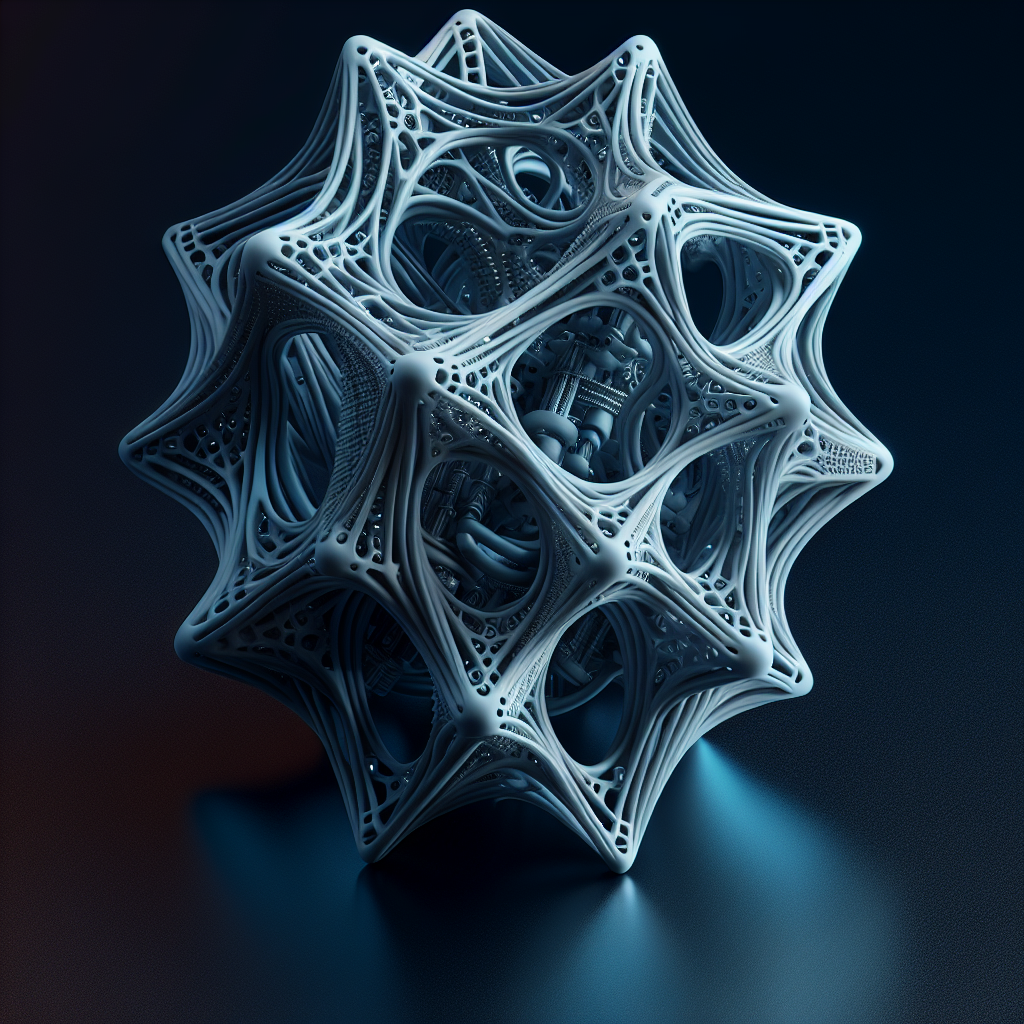
Design for Additive Manufacturing (DfAM) is a transformative approach in the field of engineering design that leverages the unique capabilities of additive manufacturing (AM) technologies. Unlike traditional manufacturing methods, which often impose significant constraints on design due to the limitations of subtractive processes, DfAM allows for unprecedented design freedom. This freedom enables the creation of complex geometries, lightweight structures, and customized components that were previously unattainable. The importance of DfAM in engineering cannot be overstated, as it not only enhances product performance and functionality but also reduces material waste, shortens production times, and lowers costs. As industries increasingly adopt AM technologies, understanding and implementing DfAM principles becomes crucial for engineers and designers.
Fundamentals
Basic Principles and Concepts
At its core, DfAM involves designing products specifically for additive manufacturing processes. This requires a shift in mindset from traditional design approaches. Key principles include:
- Complexity for Free: AM allows for the creation of intricate and complex geometries without additional cost or time penalties.
- Material Efficiency: AM processes build parts layer by layer, minimizing material waste compared to subtractive methods.
- Customization: AM enables the production of customized and personalized products tailored to individual needs.
- Topology Optimization: This involves optimizing the material layout within a given design space for maximum performance and efficiency.
Key Terms
- Additive Manufacturing (AM): A process of creating objects by adding material layer by layer, commonly known as 3D printing.
- Topology Optimization: A mathematical approach to optimize material distribution within a given design space for improved performance.
- Support Structures: Temporary structures built during the AM process to support overhanging features and complex geometries.
- Build Orientation: The orientation in which a part is printed, which can affect its mechanical properties, surface finish, and build time.
Historical Development
The concept of additive manufacturing dates back to the 1980s when the first 3D printing technologies were developed. Charles Hull, co-founder of 3D Systems, is often credited with inventing stereolithography (SLA) in 1984, which laid the foundation for modern AM technologies. Over the years, various AM techniques such as selective laser sintering (SLS), fused deposition modeling (FDM), and electron beam melting (EBM) have emerged, each offering unique advantages and applications.
Key milestones in the development of DfAM include:
- 1984: Charles Hull invents stereolithography (SLA).
- 1992: The first commercial SLA machine is introduced by 3D Systems.
- 2000s: The rise of desktop 3D printers makes AM accessible to a broader audience.
- 2010s: Significant advancements in AM materials and technologies lead to increased adoption in various industries.
- 2020s: DfAM becomes a critical focus area in engineering design, with ongoing research and innovation driving its evolution.
Applications
DfAM has found applications across a wide range of industries, revolutionizing the way products are designed and manufactured. Some notable applications include:
Aerospace
The aerospace industry has been an early adopter of AM technologies due to the need for lightweight, high-performance components. DfAM enables the creation of complex geometries and optimized structures that reduce weight while maintaining strength and durability. For example, GE Aviation uses AM to produce fuel nozzles for jet engines, resulting in significant weight savings and improved fuel efficiency.
Medical
In the medical field, DfAM allows for the production of customized implants, prosthetics, and surgical instruments tailored to individual patients. This customization improves patient outcomes and reduces recovery times. A notable example is the use of AM to create patient-specific cranial implants, which offer a perfect fit and enhanced biocompatibility.
Automotive
The automotive industry leverages DfAM to produce lightweight components, reduce material waste, and accelerate prototyping. Companies like BMW and Ford use AM to create complex parts such as engine components and interior features, enhancing vehicle performance and reducing production costs.
Consumer Products
DfAM enables the creation of customized consumer products, from personalized jewelry to bespoke footwear. Companies like Adidas and Nike use AM to produce customized shoe soles that offer improved comfort and performance for individual customers.
Advanced Topics
Recent Research and Innovations
Recent research in DfAM focuses on improving material properties, developing new AM techniques, and enhancing design optimization methods. Innovations include:
- Multi-Material Printing: Advances in multi-material AM allow for the creation of parts with varying material properties, enabling the design of functionally graded materials and complex assemblies.
- Generative Design: This AI-driven approach uses algorithms to generate optimized designs based on specified constraints and performance criteria, pushing the boundaries of what is possible with DfAM.
- In-Situ Monitoring: Real-time monitoring and feedback during the AM process improve part quality and reduce defects, ensuring consistent and reliable production.
Future Trends
The future of DfAM is promising, with ongoing advancements expected to further enhance its capabilities and applications. Emerging trends include:
- Hybrid Manufacturing: Combining AM with traditional manufacturing methods to leverage the strengths of both approaches for improved efficiency and performance.
- Bioprinting: The use of AM to create complex biological structures, such as tissues and organs, for medical research and transplantation.
- Sustainable Manufacturing: Developing eco-friendly AM materials and processes to reduce environmental impact and promote sustainable production practices.
Challenges and Considerations
Despite its many advantages, DfAM also presents several challenges and considerations that must be addressed:
Material Limitations
While AM materials have improved significantly, there are still limitations in terms of material properties, availability, and cost. Ongoing research is needed to develop new materials that meet the specific requirements of various applications.
Design Complexity
The design freedom offered by DfAM can be both a blessing and a curse. Engineers and designers must navigate the complexities of creating optimized designs while ensuring manufacturability and functionality. Advanced design tools and software can help mitigate these challenges.
Quality Control
Ensuring consistent quality and reliability in AM-produced parts remains a challenge. In-situ monitoring, post-processing, and rigorous testing are essential to achieve the desired performance and durability.
Cost Considerations
While AM can reduce material waste and production times, the initial investment in AM equipment and materials can be high. Cost-benefit analyses are necessary to determine the feasibility of adopting AM for specific applications.
Conclusion
Design for Additive Manufacturing (DfAM) represents a paradigm shift in engineering design, offering unprecedented opportunities for innovation and efficiency. By leveraging the unique capabilities of additive manufacturing technologies, engineers and designers can create complex, customized, and optimized products that were previously unattainable. While challenges remain, ongoing research and advancements in materials, techniques, and design tools continue to push the boundaries of what is possible with DfAM. As industries increasingly adopt AM technologies, the importance of understanding and implementing DfAM principles will only grow, making it a critical focus area in the field of engineering design.