Case Studies in Manufacturing Processes
Introduction
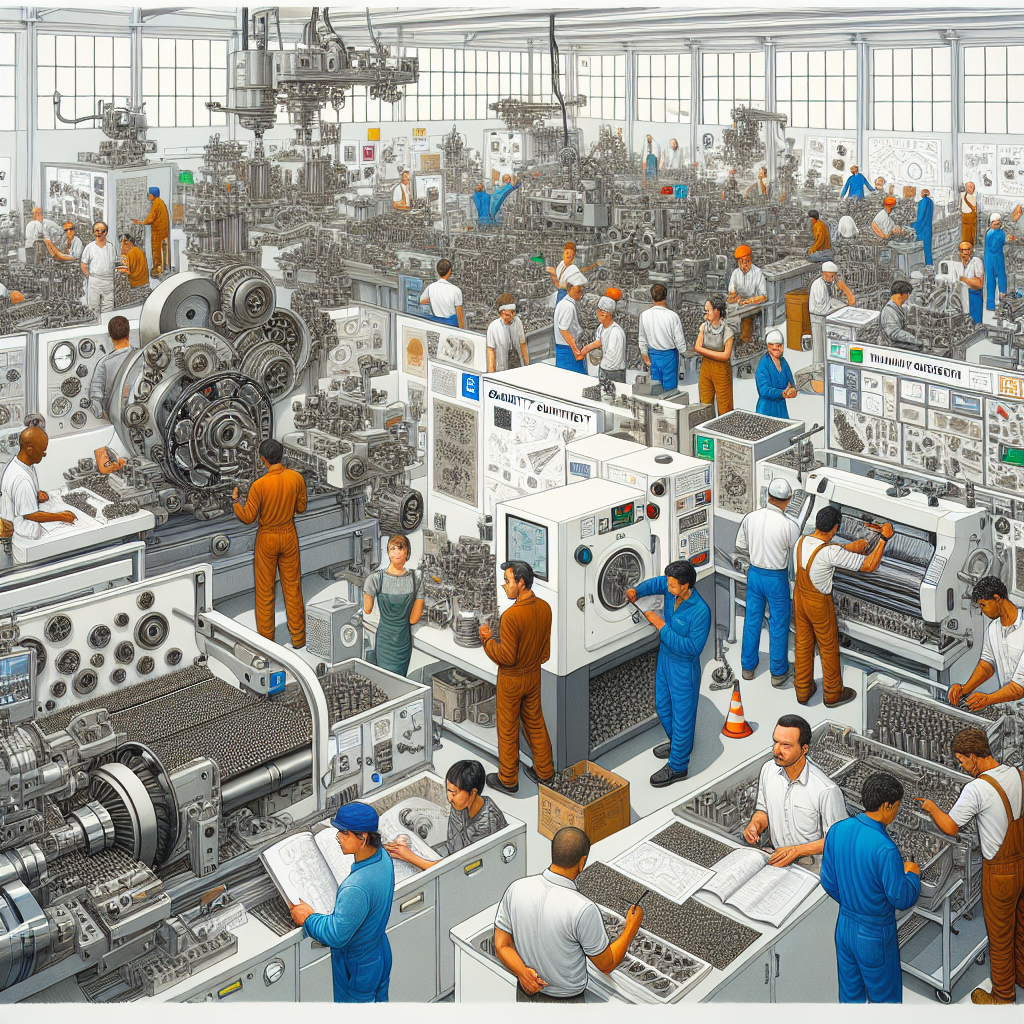
Manufacturing processes are the backbone of industrial engineering, playing a crucial role in the production of goods and services. These processes encompass a wide range of activities, from the initial design and material selection to the final assembly and quality control. Understanding and optimizing manufacturing processes is essential for improving efficiency, reducing costs, and ensuring product quality. This article delves into the topic of “Case Studies in Manufacturing Processes,” exploring its importance, fundamental principles, historical development, practical applications, advanced topics, challenges, and considerations.
Fundamentals
Basic Principles and Concepts
Manufacturing processes involve the transformation of raw materials into finished products through various methods and techniques. These processes can be broadly categorized into several types:
- Forming: Processes that shape materials without adding or removing material, such as forging, rolling, and extrusion.
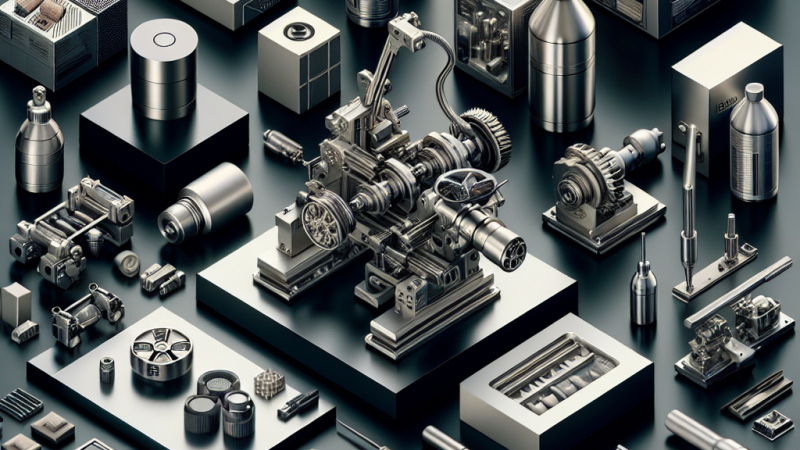
- Machining: Processes that remove material to achieve the desired shape, such as milling, turning, and drilling.
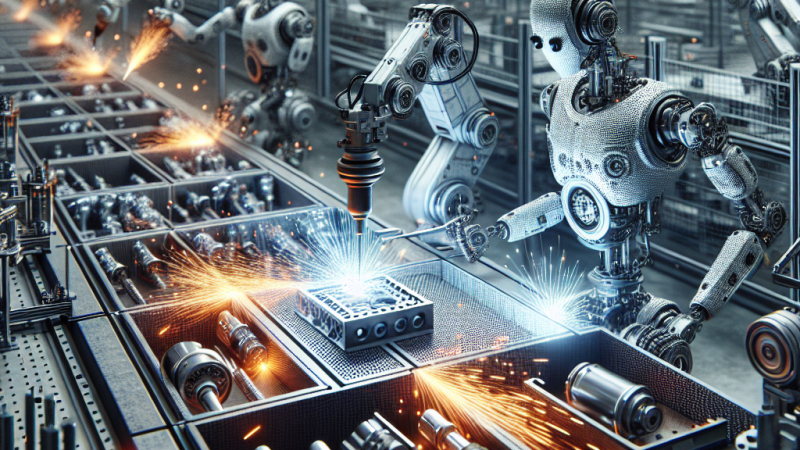
- Joining: Processes that combine two or more parts, such as welding, brazing, and adhesive bonding.
- Surface Treatment: Processes that modify the surface properties of a material, such as coating, plating, and anodizing.
- Additive Manufacturing: Processes that build up material layer by layer, such as 3D printing and selective laser sintering.
Key terms in manufacturing processes include:
- Tolerance: The permissible limit of variation in a physical dimension.
- Yield Strength: The stress at which a material begins to deform plastically.
- Hardness: The resistance of a material to deformation, typically measured by indentation.
- Fatigue: The weakening of a material caused by cyclic loading.
Historical Development
Early Innovations
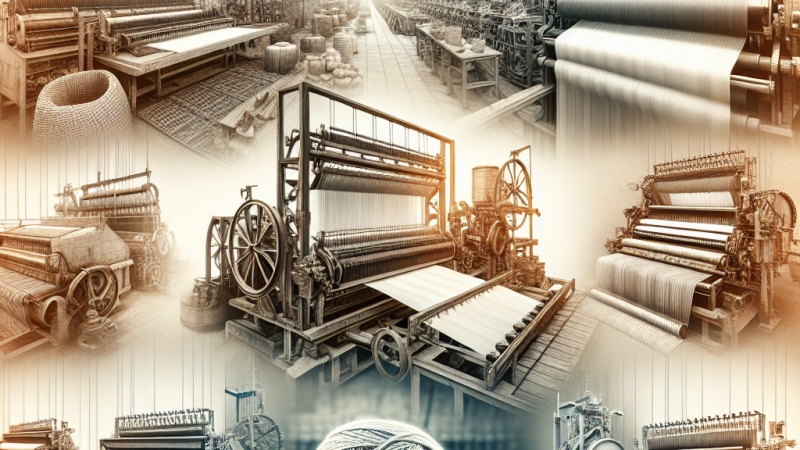
The history of manufacturing processes dates back to ancient civilizations, where basic techniques like casting and forging were used to create tools and weapons. The Industrial Revolution in the 18th century marked a significant milestone, introducing mechanized production methods and leading to the development of factories.
Modern Advancements
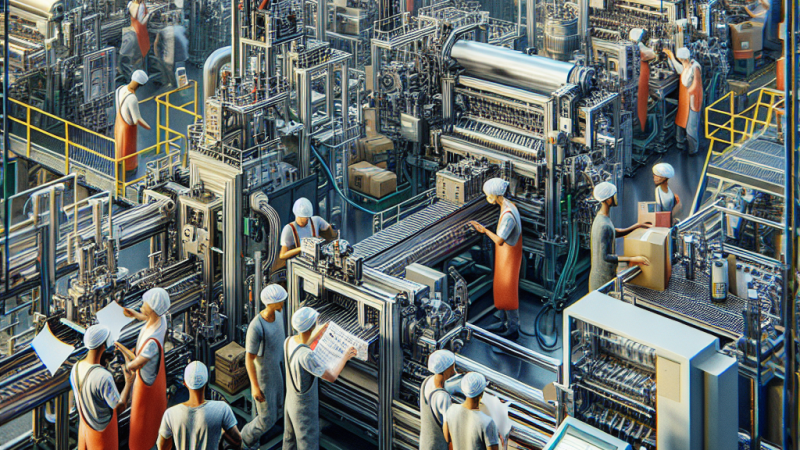
In the 20th century, advancements in materials science, automation, and computer technology revolutionized manufacturing processes. Notable figures such as Henry Ford introduced assembly line production, significantly increasing efficiency and reducing costs. The advent of Computer Numerical Control (CNC) machines and robotics further enhanced precision and automation in manufacturing.
Applications
Automotive Industry
The automotive industry relies heavily on advanced manufacturing processes to produce high-quality, reliable vehicles. Case studies in this field often focus on the implementation of lean manufacturing techniques to reduce waste and improve efficiency. For example, Toyota’s Production System (TPS) is a well-documented case study that highlights the benefits of just-in-time production and continuous improvement.
Aerospace Industry
In the aerospace industry, manufacturing processes must meet stringent quality and safety standards. Case studies often explore the use of advanced materials like composites and titanium alloys, as well as precision machining techniques. Boeing’s use of automated fiber placement (AFP) technology in the production of the 787 Dreamliner is a notable example.
Medical Devices
The medical device industry requires highly precise and reliable manufacturing processes to produce life-saving equipment. Case studies in this field often focus on the use of additive manufacturing (3D printing) to create custom implants and prosthetics. For instance, the use of 3D-printed titanium implants in orthopedic surgery has shown promising results in improving patient outcomes.
Advanced Topics
Industry 4.0
The concept of Industry 4.0 represents the fourth industrial revolution, characterized by the integration of digital technologies into manufacturing processes. This includes the use of the Internet of Things (IoT), artificial intelligence (AI), and big data analytics to create smart factories. Recent research has shown that Industry 4.0 can significantly enhance productivity, reduce downtime, and improve product quality.
Advanced Materials
Advancements in materials science have led to the development of new materials with superior properties. For example, graphene, a single layer of carbon atoms arranged in a hexagonal lattice, has exceptional strength and electrical conductivity. Researchers are exploring its potential applications in various manufacturing processes, from electronics to aerospace.
Sustainable Manufacturing
Sustainability is becoming increasingly important in manufacturing processes. Advanced topics in this area include the development of eco-friendly materials, energy-efficient production methods, and waste reduction techniques. Case studies often highlight companies that have successfully implemented sustainable practices, such as using recycled materials or adopting renewable energy sources.
Challenges and Considerations
Quality Control
Maintaining consistent quality in manufacturing processes is a significant challenge. Variations in raw materials, machine performance, and human factors can all impact product quality. Implementing robust quality control systems, such as Six Sigma and Statistical Process Control (SPC), can help mitigate these issues.
Cost Management
Balancing cost and quality is a constant challenge in manufacturing. Companies must carefully manage their resources to remain competitive while ensuring high-quality products. Techniques like value engineering and cost-benefit analysis can aid in making informed decisions.
Workforce Training
The rapid advancement of technology in manufacturing processes necessitates continuous training and skill development for the workforce. Companies must invest in training programs to ensure their employees are proficient in the latest techniques and technologies.
Regulatory Compliance
Manufacturers must adhere to various regulations and standards, which can vary by industry and region. Ensuring compliance with these regulations is essential to avoid legal issues and maintain market access. This often involves rigorous documentation, testing, and certification processes.
Conclusion
In conclusion, case studies in manufacturing processes provide valuable insights into the practical applications, challenges, and advancements in this critical field of engineering. From the historical development of basic techniques to the modern integration of digital technologies, manufacturing processes have continually evolved to meet the demands of various industries. Understanding these processes is essential for improving efficiency, reducing costs, and ensuring product quality. As technology continues to advance, the future of manufacturing processes holds exciting possibilities, from smart factories to sustainable production methods. By addressing the challenges and leveraging new innovations, the field of manufacturing processes will continue to play a vital role in shaping the future of engineering and industry.