Automation in Manufacturing
Introduction
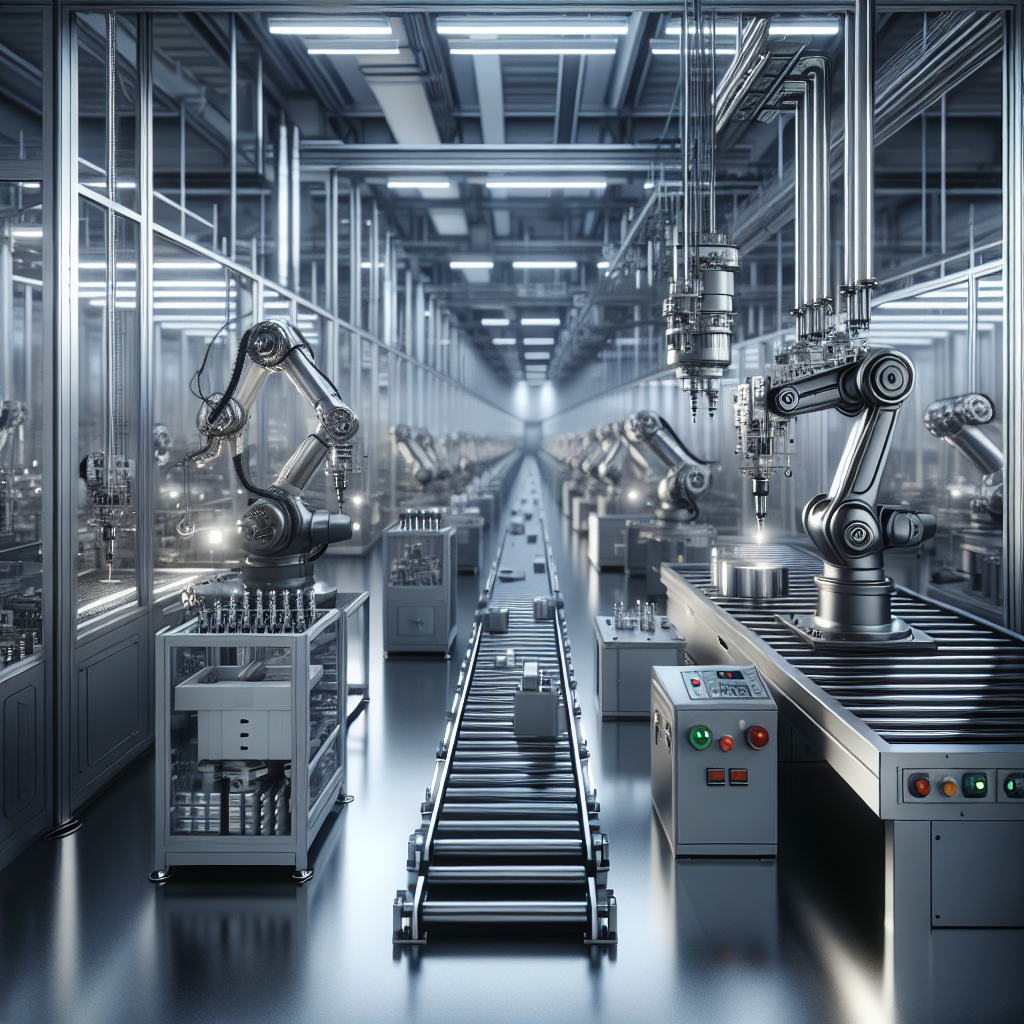
Automation in manufacturing is a transformative force that has revolutionized the field of engineering. It involves the use of control systems, such as computers or robots, and information technologies to handle different processes and machinery in an industry to replace human intervention. The importance of automation in manufacturing cannot be overstated, as it enhances productivity, ensures consistent quality, reduces labor costs, and improves safety. In an era where efficiency and precision are paramount, automation stands as a cornerstone of modern manufacturing processes.
Fundamentals
Basic Principles and Concepts
At its core, automation in manufacturing refers to the use of technology to perform tasks that were traditionally carried out by human workers. This can range from simple mechanization to complex systems involving artificial intelligence and machine learning. The primary goal is to increase efficiency, accuracy, and reliability while minimizing human error and labor costs.
Key Terms
- Control Systems: These are systems used to manage, command, direct, or regulate the behavior of other devices or systems using control loops.
- Robotics: The branch of technology that deals with the design, construction, operation, and application of robots.
- Artificial Intelligence (AI): The simulation of human intelligence in machines that are programmed to think and learn.
- Machine Learning: A subset of AI that involves the use of algorithms and statistical models to enable machines to improve their performance on a task through experience.
- Programmable Logic Controllers (PLCs): Industrial digital computers used for automation of electromechanical processes.
Historical Development
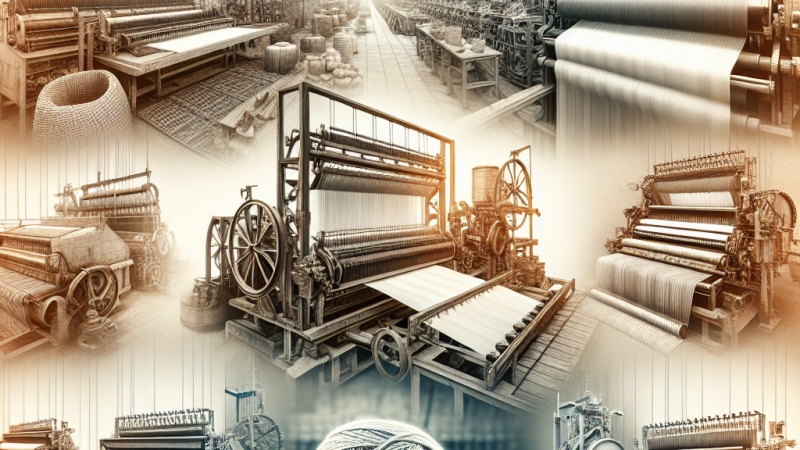
The journey of automation in manufacturing dates back to the Industrial Revolution in the 18th century, which marked the beginning of mechanization. The introduction of steam engines and mechanized textile equipment laid the groundwork for modern automation.
Key Milestones
- 1940s-1950s: The development of numerical control (NC) machines, which used punched tape to control machine tools, was a significant leap forward.
- 1960s: The introduction of programmable logic controllers (PLCs) revolutionized factory automation by providing a flexible and reliable means of controlling machinery.
- 1970s-1980s: The advent of computer-aided design (CAD) and computer-aided manufacturing (CAM) systems further enhanced automation capabilities.
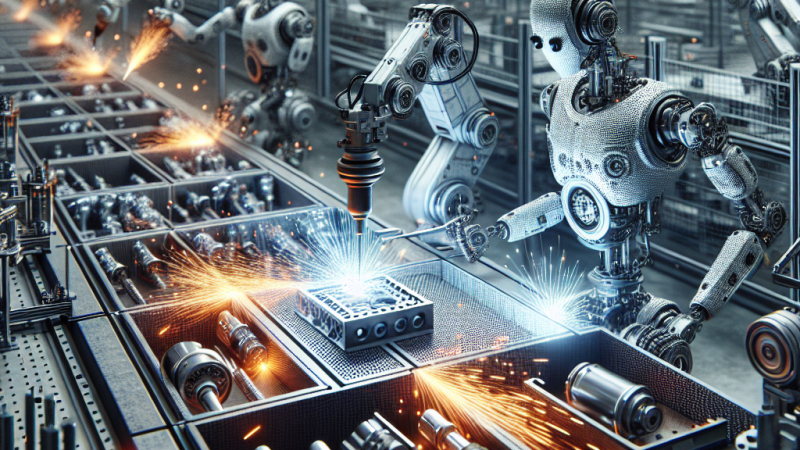
- 1990s: The rise of robotics in manufacturing, with robots being used for tasks such as welding, painting, and assembly.
- 2000s-Present: The integration of AI and machine learning into manufacturing processes, leading to the development of smart factories and Industry 4.0.
Applications
Automation in manufacturing has a wide range of applications across various industries. Here are some notable examples:
Automotive Industry
The automotive industry has been a pioneer in adopting automation. Robots are extensively used for tasks such as welding, painting, and assembly. For instance, Tesla’s Gigafactory employs advanced robotics and AI to streamline the production of electric vehicles.
Electronics Manufacturing
In the electronics industry, automation is crucial for the precision assembly of components. Companies like Foxconn use automated systems for the mass production of smartphones, tablets, and other electronic devices.
Food and Beverage Industry
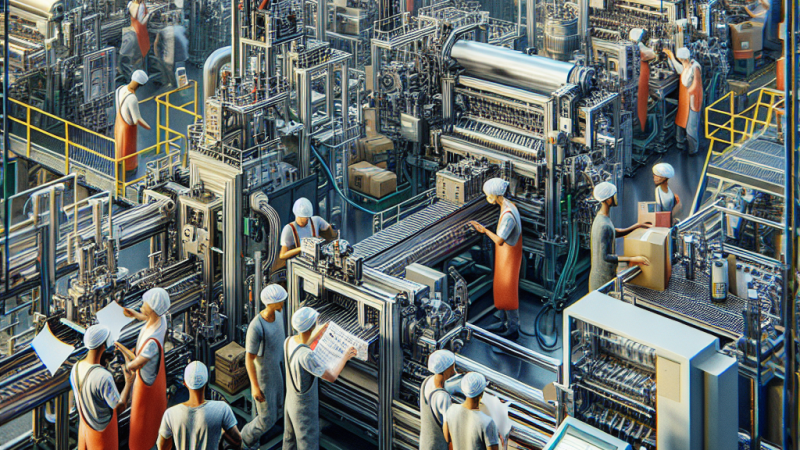
Automation ensures consistency and hygiene in food processing and packaging. Automated systems are used for tasks such as sorting, packaging, and quality control. For example, Coca-Cola uses automated bottling lines to maintain high production rates and quality standards.
Pharmaceutical Industry
In pharmaceuticals, automation is essential for ensuring the accuracy and safety of drug manufacturing. Automated systems are used for tasks such as mixing, filling, and packaging. Pfizer’s automated production lines played a crucial role in the rapid production of COVID-19 vaccines.
Advanced Topics
Industry 4.0
Industry 4.0 represents the fourth industrial revolution, characterized by the integration of digital technologies into manufacturing. It involves the use of IoT (Internet of Things), AI, and big data analytics to create smart factories where machines communicate and make decisions autonomously.
Collaborative Robots (Cobots)
Unlike traditional industrial robots, which operate in isolation, collaborative robots (cobots) are designed to work alongside human workers. They enhance productivity by performing repetitive or dangerous tasks while allowing humans to focus on more complex activities.
Predictive Maintenance
Predictive maintenance uses AI and machine learning to predict when equipment is likely to fail, allowing for timely maintenance and reducing downtime. This approach is more efficient than traditional preventive maintenance, which is based on fixed schedules.
Digital Twins
A digital twin is a virtual replica of a physical system that can be used for simulation, analysis, and optimization. In manufacturing, digital twins enable real-time monitoring and control of production processes, leading to improved efficiency and reduced costs.
Challenges and Considerations
Initial Investment
The implementation of automation systems requires significant upfront investment in technology and infrastructure. This can be a barrier for small and medium-sized enterprises (SMEs) with limited financial resources.
Workforce Displacement
Automation can lead to job displacement as machines take over tasks previously performed by humans. This necessitates retraining and upskilling of the workforce to adapt to new roles in a highly automated environment.
Cybersecurity
The increasing connectivity of automated systems makes them vulnerable to cyberattacks. Ensuring robust cybersecurity measures is essential to protect sensitive data and maintain the integrity of manufacturing processes.
Complexity and Integration
The integration of advanced technologies such as AI, IoT, and robotics into existing manufacturing systems can be complex and challenging. It requires careful planning, expertise, and coordination to ensure seamless operation.
Potential Solutions
- Government Support: Governments can provide financial incentives and support programs to help SMEs adopt automation technologies.
- Workforce Training: Investing in education and training programs to equip workers with the skills needed for the automated manufacturing environment.
- Cybersecurity Measures: Implementing robust cybersecurity protocols and continuously updating them to protect against emerging threats.
- Collaborative Efforts: Encouraging collaboration between industry, academia, and technology providers to develop integrated and user-friendly automation solutions.
Conclusion
Automation in manufacturing is a critical component of modern engineering, driving efficiency, precision, and innovation. From its historical roots in the Industrial Revolution to the advanced technologies of Industry 4.0, automation has continually evolved to meet the demands of an ever-changing industrial landscape. While challenges such as initial investment, workforce displacement, and cybersecurity remain, the benefits of automation far outweigh the drawbacks. By embracing automation, manufacturers can achieve higher productivity, consistent quality, and improved safety, positioning themselves for success in a competitive global market. As technology continues to advance, the future of automation in manufacturing holds even greater promise, paving the way for smarter, more efficient, and more sustainable production processes.