Aerospace Systems Integration
Introduction
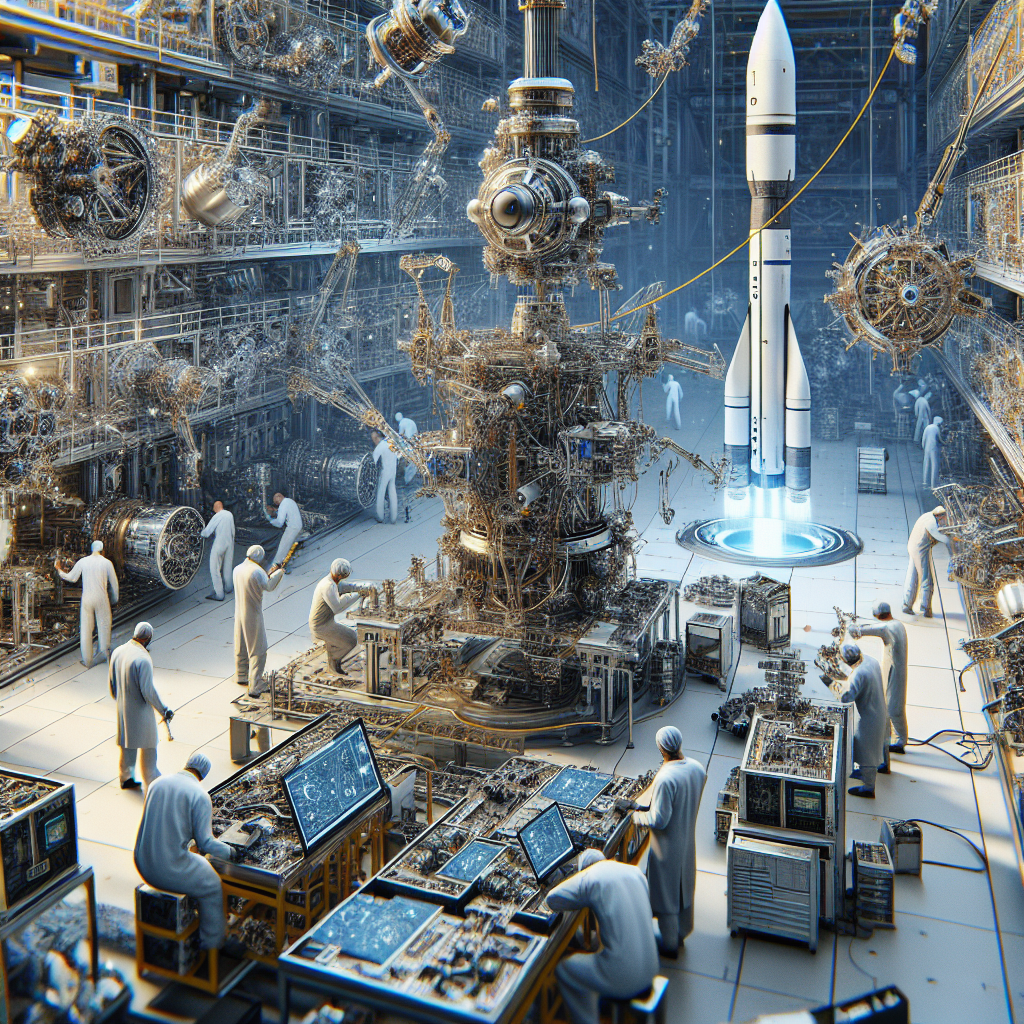
Aerospace Systems Integration is a critical discipline within Aerospace Engineering that involves the seamless combination of various subsystems into a cohesive and functional whole. This field is essential for the development and operation of complex aerospace vehicles, including aircraft, spacecraft, and satellites. The importance of Aerospace Systems Integration cannot be overstated, as it ensures that all components work together efficiently, safely, and reliably. This article delves into the fundamentals, historical development, applications, advanced topics, challenges, and considerations associated with Aerospace Systems Integration.
Fundamentals
Basic Principles and Concepts
Aerospace Systems Integration involves the coordination and unification of different subsystems, such as propulsion, avionics, structural components, and control systems, into a single, operational aerospace vehicle. The primary goal is to ensure that these subsystems function harmoniously to achieve the desired performance and safety standards.
Key Terms and Definitions
- Subsystem: A smaller, self-contained system that is part of a larger system.
- Interface: The point of interaction between different subsystems.
- Interoperability: The ability of different subsystems to work together effectively.
- Redundancy: The inclusion of extra components to increase reliability and safety.
- Validation and Verification (V&V): Processes to ensure that the system meets design specifications and requirements.
Theories and Models
Several theories and models underpin Aerospace Systems Integration. Systems Engineering principles are often applied, which involve a structured approach to designing and managing complex systems. The V-Model is a common framework used in systems engineering, emphasizing the importance of validation and verification at each stage of development. Additionally, the Model-Based Systems Engineering (MBSE) approach uses digital models to support the design, analysis, and validation of systems.
Historical Development
Early Developments
The concept of integrating various subsystems into a single aerospace vehicle dates back to the early days of aviation. The Wright brothers’ first powered flight in 1903 marked a significant milestone, as they successfully integrated propulsion, control, and structural systems into their aircraft. However, it was during World War II that Aerospace Systems Integration saw substantial advancements, driven by the need for more sophisticated and reliable military aircraft.
Key Milestones
- 1950s-1960s: The space race between the United States and the Soviet Union led to significant advancements in Aerospace Systems Integration. The successful launch of Sputnik 1 in 1957 and the Apollo moon landings in the 1960s showcased the importance of integrating complex subsystems.
- 1980s-1990s: The development of advanced fighter jets, such as the F-22 Raptor, highlighted the need for sophisticated integration of avionics, propulsion, and stealth technologies.
- 2000s-Present: The rise of commercial space exploration, led by companies like SpaceX, has further emphasized the importance of Aerospace Systems Integration in achieving cost-effective and reliable space missions.
Notable Figures
Several individuals have made significant contributions to the field of Aerospace Systems Integration. Wernher von Braun, a key figure in the development of rocket technology, played a crucial role in the success of the Apollo program. Similarly, Kelly Johnson, the founder of the Skunk Works division at Lockheed Martin, was instrumental in the development of advanced military aircraft through innovative integration techniques.
Applications
Aerospace Industry
Aerospace Systems Integration is fundamental to the design and operation of various aerospace vehicles. In commercial aviation, it ensures that aircraft systems, such as navigation, communication, and flight control, work together seamlessly to provide safe and efficient air travel. In the defense sector, integrated systems are crucial for the performance and reliability of military aircraft, drones, and missiles.
Space Exploration
Space missions require the integration of numerous subsystems, including propulsion, life support, communication, and scientific instruments. The success of missions like the Mars rovers and the International Space Station (ISS) relies heavily on effective systems integration. For instance, the Curiosity rover’s ability to navigate the Martian surface, conduct scientific experiments, and communicate with Earth is a testament to the importance of Aerospace Systems Integration.
Unmanned Aerial Vehicles (UAVs)
The growing use of UAVs, or drones, in various industries highlights another critical application of Aerospace Systems Integration. UAVs require the integration of flight control systems, sensors, communication links, and payloads to perform tasks such as aerial surveillance, agricultural monitoring, and package delivery.
Case Studies
One notable case study is the development of the Boeing 787 Dreamliner. This aircraft features advanced materials, avionics, and propulsion systems that required meticulous integration to achieve its performance and efficiency goals. Another example is the SpaceX Falcon 9 rocket, which integrates reusable propulsion systems, advanced avionics, and payload delivery mechanisms to revolutionize space travel.
Advanced Topics
Recent Research and Innovations
Recent advancements in Aerospace Systems Integration include the use of artificial intelligence (AI) and machine learning to enhance system performance and reliability. AI algorithms can optimize flight paths, predict maintenance needs, and improve fault detection and diagnosis. Additionally, the development of digital twins—virtual replicas of physical systems—allows engineers to simulate and analyze system behavior in real-time, leading to more efficient integration processes.
Future Trends
The future of Aerospace Systems Integration is likely to be shaped by several emerging trends. The increasing use of electric propulsion systems in aircraft and spacecraft will require new integration techniques to manage power distribution and thermal management. Furthermore, the growing interest in autonomous flight will necessitate advanced integration of sensors, control systems, and AI algorithms to ensure safe and reliable operation.
Challenges and Considerations
Technical Challenges
Aerospace Systems Integration presents several technical challenges. Ensuring interoperability between different subsystems can be complex, especially when dealing with components from multiple suppliers. Additionally, the need for redundancy and fault tolerance adds to the complexity of integration efforts. Engineers must also address issues related to electromagnetic interference (EMI) and thermal management to ensure system reliability.
Regulatory and Safety Considerations
Compliance with regulatory standards and safety requirements is a critical consideration in Aerospace Systems Integration. Organizations such as the Federal Aviation Administration (FAA) and the European Union Aviation Safety Agency (EASA) set stringent guidelines for the design, testing, and certification of aerospace systems. Ensuring that integrated systems meet these standards is essential for obtaining regulatory approval and ensuring passenger safety.
Potential Solutions
To address these challenges, engineers can adopt several strategies. The use of standardized interfaces and protocols can enhance interoperability between subsystems. Implementing rigorous V&V processes can help identify and mitigate potential issues early in the development cycle. Additionally, leveraging advanced simulation tools and digital twins can provide valuable insights into system behavior and performance, reducing the risk of integration failures.
Conclusion
Aerospace Systems Integration is a vital discipline within Aerospace Engineering that ensures the seamless operation of complex aerospace vehicles. From its early developments to its current applications in commercial aviation, space exploration, and UAVs, the field has seen significant advancements driven by technological innovation and the need for reliable and efficient systems. While challenges remain, ongoing research and emerging trends promise to further enhance the capabilities and performance of integrated aerospace systems. As the aerospace industry continues to evolve, the importance of effective systems integration will only grow, underscoring its critical role in the future of aerospace engineering.